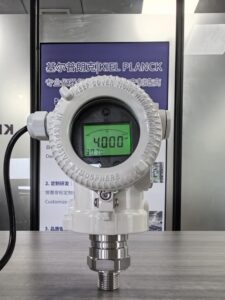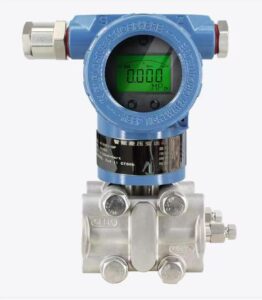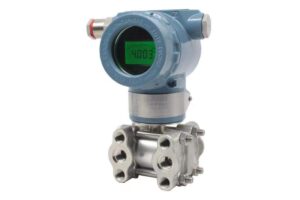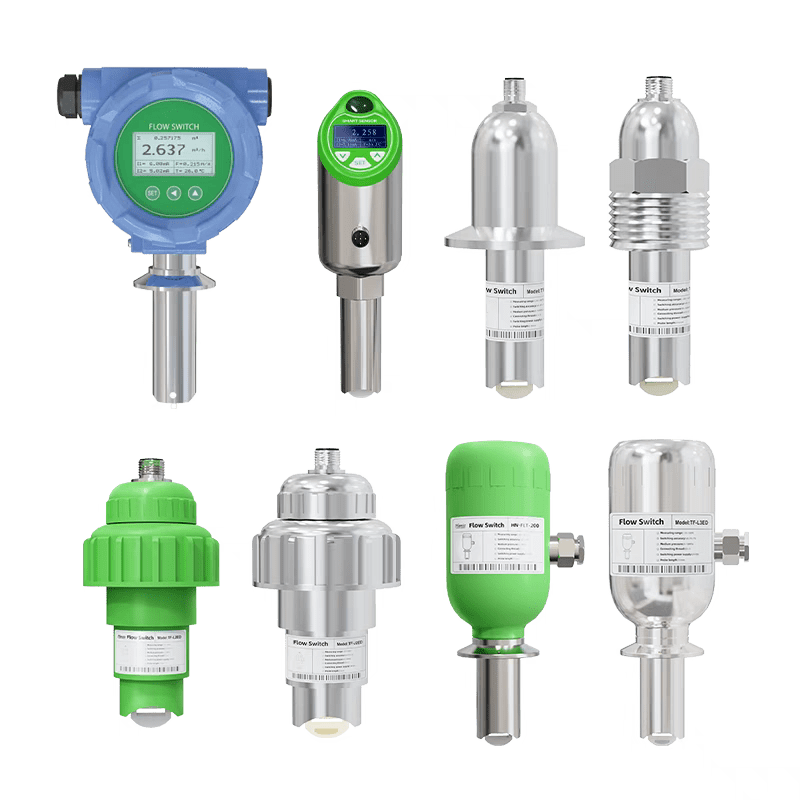
The pressure transmitter industry has developed rapidly over the past several years.
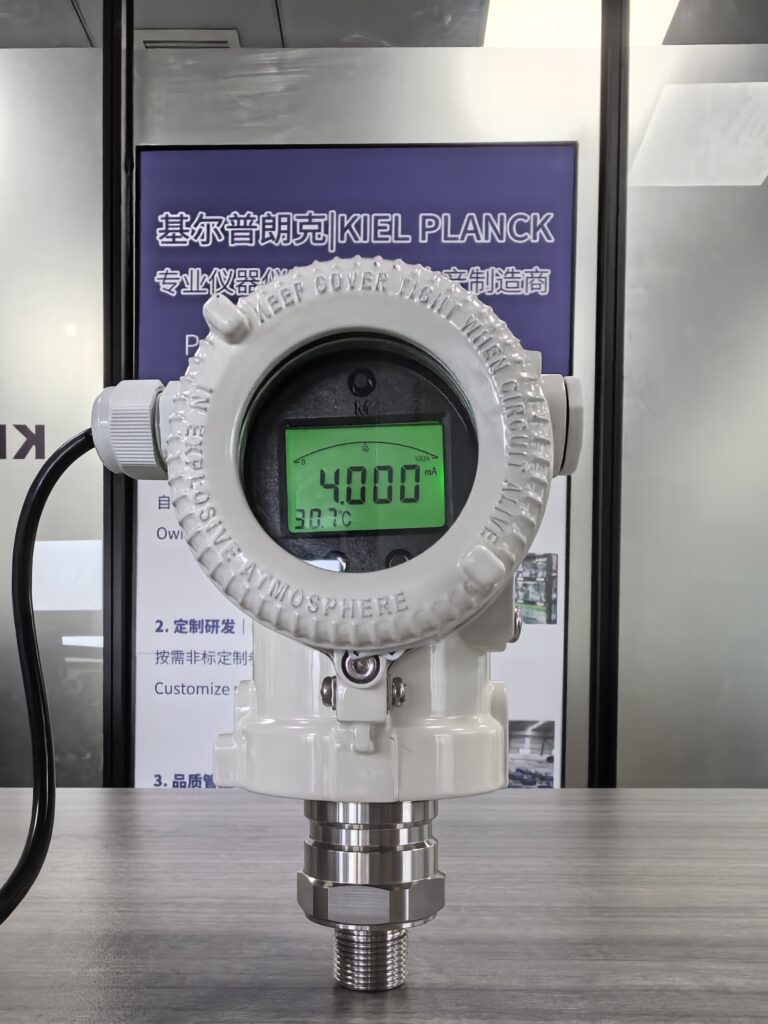
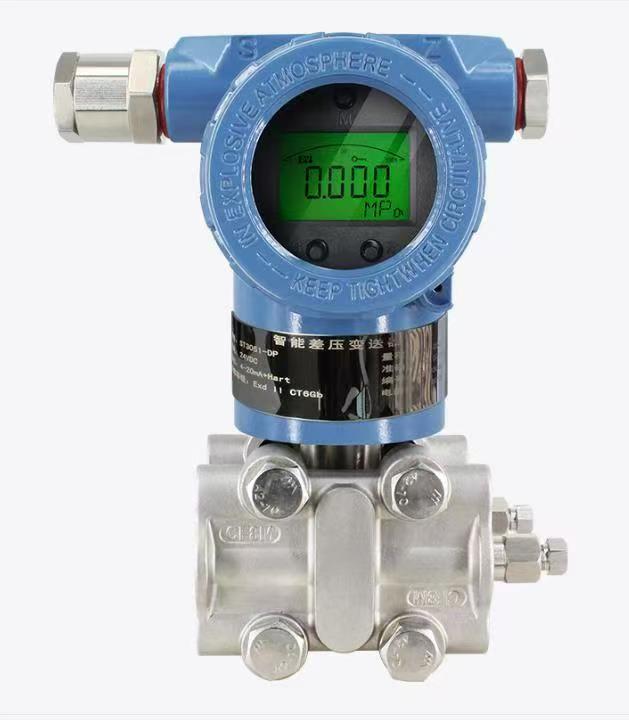
More manufacturers can now produce pressure transmitters with common measurement ranges, 4–20 mA outputs, digital communication options, and industrial protection ratings.
As products become more similar in appearance and basic specifications, price competition becomes increasingly intense.
Does this mean the industry has reached its limit?
Not necessarily.
The market is changing, and manufacturers need to compete in different ways.
1. Basic Specifications Are No Longer Enough
For many standard applications, customers can find several products with similar specifications.
For example, two pressure transmitters may both offer:
4–20 mA output.
A stainless steel housing.
An IP65 or IP67 protection option.
Similar measurement ranges.
Comparable nominal accuracy.
However, these specifications do not fully explain their differences.
Temperature performance, long-term stability, overload resistance, electromagnetic compatibility, and batch consistency may still vary considerably.
Manufacturers should focus on improving these less visible but important characteristics.
2. Better Sensor Technology
Sensor technology is the foundation of pressure measurement.
Manufacturers should continuously improve sensing elements, mechanical structures, temperature compensation, and signal processing.
Single-crystal silicon technology, for example, offers opportunities for developing high-performance pressure measurement products.
However, technology names alone do not guarantee quality. Complete product design and manufacturing control remain essential.
3. Develop Solutions for Specific Industries
Different industries have different measurement requirements.
Chemical processing: Requires appropriate material compatibility and reliable pressure measurement.
Hydrogen production: May involve demanding pressure conditions, gas compatibility, and specialized material considerations.
Water treatment: Often requires stable measurement and suitable corrosion protection.
Industrial equipment manufacturing: Requires consistent dimensions, electrical interfaces, and batch quality.
Manufacturers that understand these application differences can offer more valuable solutions.
4. Improve Manufacturing and Quality Management
A professional manufacturer should establish systematic quality controls.
These may include:
Raw material inspection.
Production process monitoring.
Sensor calibration.
Pressure testing where applicable.
Electrical performance testing.
Final product inspection.
Batch traceability.
These procedures help reduce quality variation and improve customer confidence.
5. Compete Through Service and Engineering
International customers need more than a product quotation.
They may require assistance with measurement range selection, connection standards, electrical wiring, communication protocols, and installation conditions.
Fast technical responses and accurate product configuration can become important competitive advantages.
Conclusion
The pressure transmitter market is not necessarily reaching its limit. Instead, basic price competition is making room for a more demanding form of competition.
Manufacturers need to compete through better sensor technology, manufacturing consistency, application knowledge, and customer service.
The future belongs to suppliers who can deliver not just a pressure transmitter, but a reliable measurement solution.
Contact our team to discuss pressure transmitter requirements for your industrial equipment and projects.
Scan the QR code to receive more detailed information.