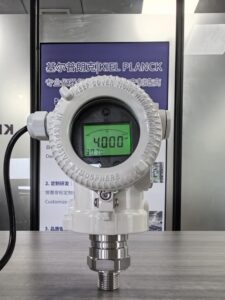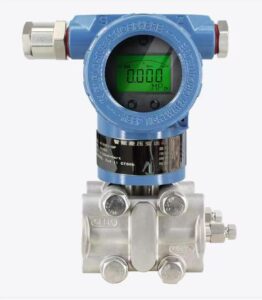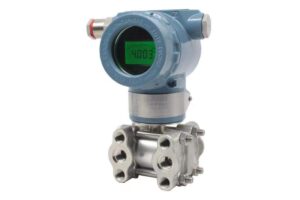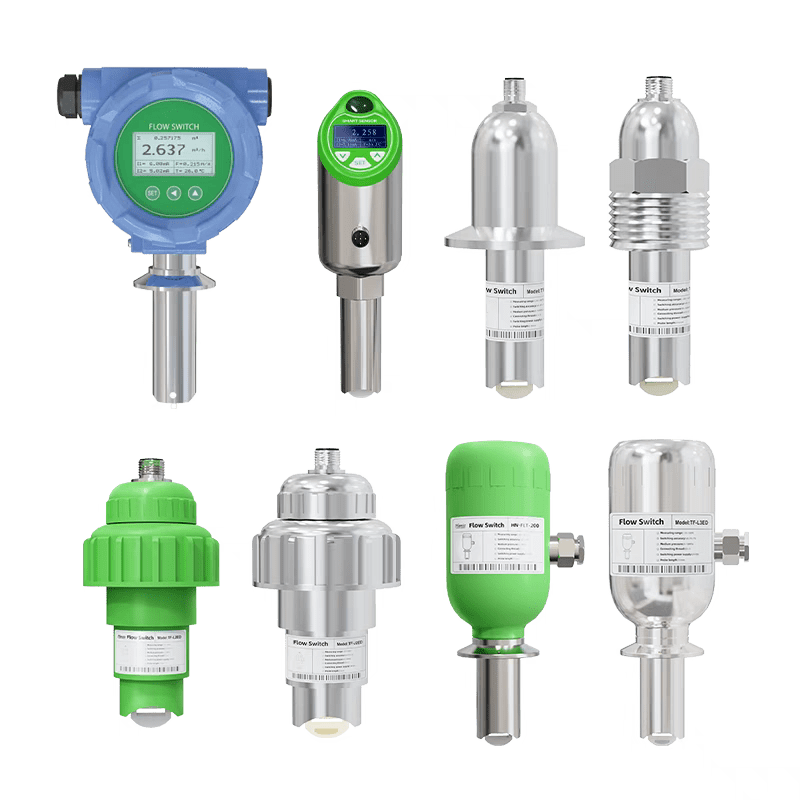
Pressure transmitters and other electrical instruments are widely used in oil and gas facilities, chemical plants, hydrogen production systems, and other industrial environments.
Some of these environments may contain flammable gases or vapors.
In such locations, selecting suitable explosion-protected equipment is essential.
One common marking found on industrial instruments is Ex d IIC T6.
Understanding this marking helps engineers and buyers evaluate whether a product is suitable for a particular hazardous area.
1. What Does Ex d Mean?
The letters Ex d identify a type of explosion protection known as flameproof enclosure protection.
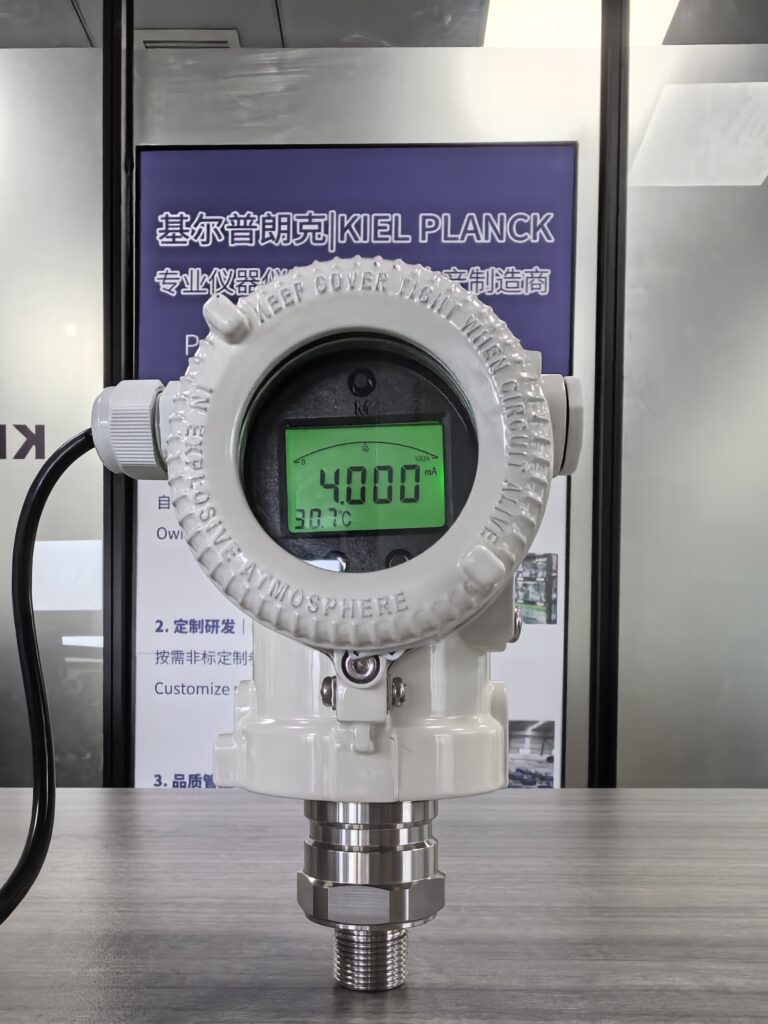
The equipment is designed with an enclosure that can withstand an internal explosion and prevent the ignition of the surrounding explosive atmosphere under the conditions specified by its certification.
This does not mean the equipment cannot experience an internal ignition.
Instead, its enclosure and flameproof joints are designed to prevent the explosion from propagating outside.
2. What Does IIC Mean?
IIC represents a gas subgroup under the IEC hazardous-area equipment classification system.
Common gas groups include:
| Gas Group | Typical Representative Gas |
|---|---|
| IIA | Propane |
| IIB | Ethylene |
| IIC | Hydrogen and acetylene |
IIC is the most demanding of these three gas subgroups in terms of the relevant explosion protection requirements.
Equipment marked IIC can generally be used for applications requiring IIA or IIB gas-group suitability, provided all other certification and installation requirements are satisfied.
The actual hazardous-area classification must always be checked.
3. What Does T6 Mean?
T6 is the temperature class of the equipment.
It indicates that the maximum surface temperature of the equipment must not exceed 85°C under the specified certification conditions.
The common temperature classes are:
| Temperature Class | Maximum Surface Temperature |
|---|---|
| T1 | 450°C |
| T2 | 300°C |
| T3 | 200°C |
| T4 | 135°C |
| T5 | 100°C |
| T6 | 85°C |
T6 represents the lowest maximum surface temperature among these six classes.
This is particularly important because some flammable gases have relatively low ignition temperatures.
4. Understanding the Complete Marking
Consider the example:
Ex d IIC T6
| Marking | Meaning |
|---|---|
| Ex | Explosion-protected equipment |
| d | Flameproof enclosure protection |
| II | Surface industry equipment group, when included in the full marking |
| C | Gas subgroup IIC |
| T6 | Maximum surface temperature class of 85°C |
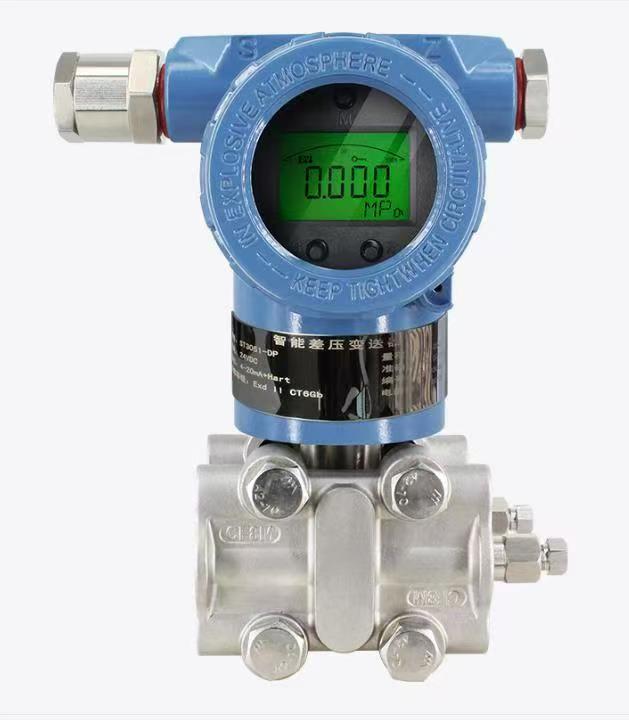
A complete equipment marking may also include an equipment protection level, such as Gb, and additional certification information.
These details help determine the permitted installation location.
5. How to Select an Explosion-Proof Pressure Transmitter
Before purchasing, confirm the following:
Hazardous-area classification: Determine whether the installation is Zone 0, Zone 1, or Zone 2 for gas environments.
Gas group: Identify whether the process environment requires IIA, IIB, or IIC equipment.
Temperature class: Check the ignition temperature of the surrounding gas and the instrument’s certified surface temperature.
Ambient temperature: Confirm that the certified ambient temperature range covers the actual installation conditions.
Certification: Verify that the certificate applies to the exact product model and configuration.
Installation: Use suitable cable glands, wiring methods, grounding, and installation procedures.
6. Do Not Check Only the Product Label
A marking printed on a product housing is not sufficient evidence by itself.
Buyers should request the relevant ATEX or IECEx documentation, verify the certificate number, and check any special conditions of safe use.
The exact certificate scope and product configuration matter.
For European projects, ATEX requirements may apply. IECEx certification is an internationally recognized certification system but does not automatically replace every country’s legal approval requirements.
Conclusion
Ex d IIC T6 is more than a group of letters and numbers.
It describes important characteristics of explosion protection, gas-group suitability, and equipment surface temperature.
For pressure transmitters and other industrial instruments, correct selection requires checking the complete hazardous-area classification, certificate, ambient temperature, and installation conditions.
Choosing the correct explosion-protected instrument helps support safer and more reliable industrial operation.
Contact our technical team for explosion-proof pressure transmitter specifications and hazardous-area selection assistance.
Scan the QR code to receive more detailed information.