Sensors are fundamental components in modern industrial systems.
They are used in chemical processing, energy production, water treatment, machinery, and industrial automation.
As manufacturing technology advances, customers are demanding more accurate, stable, and reliable measurement instruments.
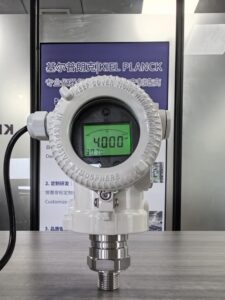
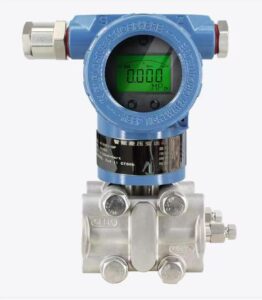
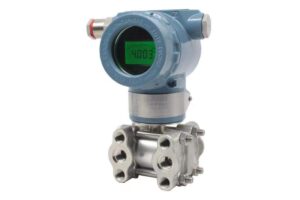
Single-crystal silicon pressure transmitters have become an important product category in this development.
However, achieving competitive performance requires more than introducing a new sensing technology.
1. Why the Pressure Sensor Market Matters
Pressure measurement is essential for controlling industrial processes.
A pressure transmitter can monitor pipeline pressure, equipment operating conditions, vessel pressure, and differential pressure.
In many applications, inaccurate measurement can affect product quality, energy consumption, equipment protection, and production efficiency.
Demand for reliable pressure instruments is supported by several industrial developments:
Industrial automation.
Chemical process modernization.
Hydrogen energy projects.
Renewable energy equipment.
Water treatment infrastructure.
Advanced manufacturing.
2. Why Single-Crystal Silicon Technology Attracts Attention
Single-crystal silicon sensing technology is used in high-performance pressure measurement designs.
Its potential advantages include high sensitivity, good repeatability, and favorable stability characteristics when supported by appropriate mechanical and electronic design.
However, actual transmitter performance also depends on:
Sensor structure.
Isolation diaphragm design.
Filling fluid.
Temperature compensation.
Electronic processing.
Calibration procedures.
The technology name alone does not guarantee a high-performance product.
3. Why Domestic Manufacturers Face a Difficult Challenge
Core component capability
Developing and manufacturing consistent sensing elements requires specialized processes and technical expertise.
Temperature compensation
Pressure sensors must maintain suitable performance across their specified temperature range.
Long-term stability
Products need to maintain measurement consistency during extended operation.
Batch manufacturing
A manufacturer must ensure that individual units meet the same specifications.
Certification and verification
Different industrial markets may require additional testing and product approvals.
4. Is a 22% Market Growth Rate Reliable?
Some industry reports and commercial market summaries may publish growth forecasts of approximately 22%.
However, a growth rate is meaningful only when its market definition, geographical scope, base year, forecast period, and research methodology are clear.
A growth rate for the entire sensor industry cannot automatically be applied to single-crystal silicon pressure transmitters.
For this reason, manufacturers and buyers should avoid presenting an unverified 22% figure as an established industry statistic.
5. How Can Domestic Manufacturers Improve?
The next stage of competition should focus on:
Improving sensor manufacturing processes.
Strengthening calibration systems.
Reducing temperature-related measurement errors.
Improving long-term reliability.
Establishing consistent production standards.
Providing better engineering support.
Conclusion
Single-crystal silicon pressure transmitters represent an important opportunity for domestic instrumentation manufacturers.
However, successful domestic replacement requires sustained improvements in sensor technology, product engineering, manufacturing consistency, and quality management.
The real competitive advantage will not come from simply offering a lower price. It will come from delivering reliable performance that customers can verify through testing and long-term operation.
Scan the QR code to receive more detailed information.