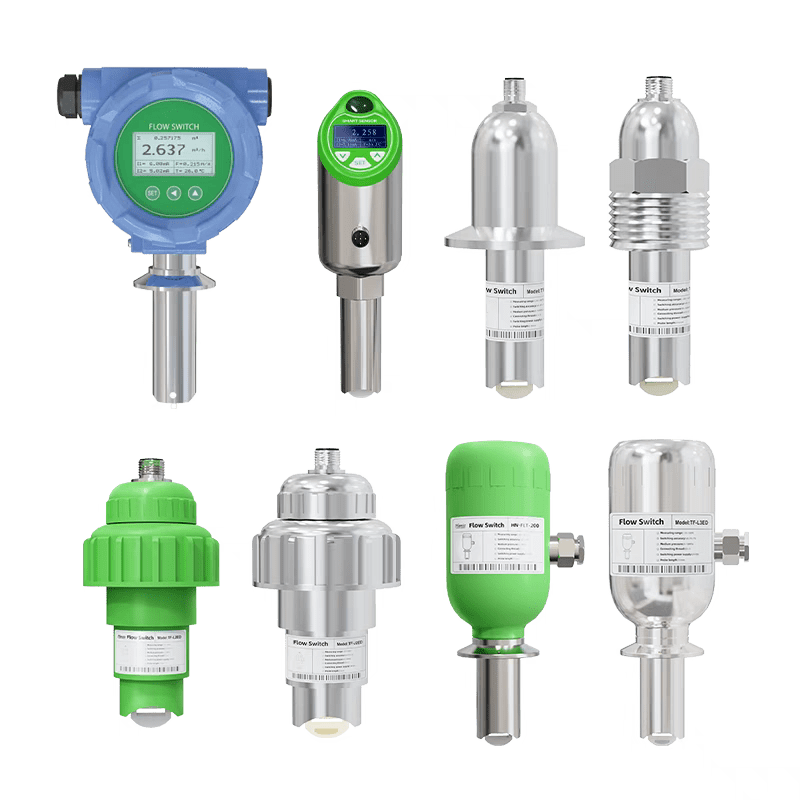
Traditional industrial instruments are primarily designed to measure physical parameters such as pressure, temperature, level, and flow.
Their main responsibility is to collect process data and transmit signals to control systems.
However, modern industrial facilities require more than measurement results. Equipment manufacturers and process engineers increasingly need real-time information, abnormal-condition detection, and reliable operating data.
This creates a new direction for industrial instrumentation: moving from data collection toward intelligent insights.
1. The Traditional Role of Flow Measurement
Flowmeters are widely used in chemical plants, water treatment facilities, power stations, and industrial production lines.
Traditional measurement systems provide information about flow rates and process conditions.
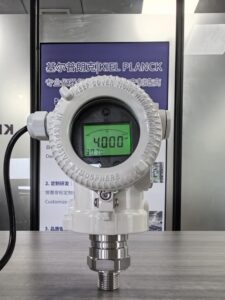
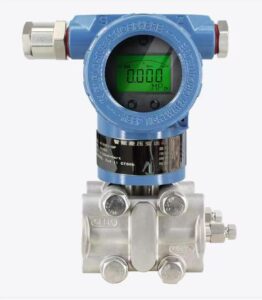
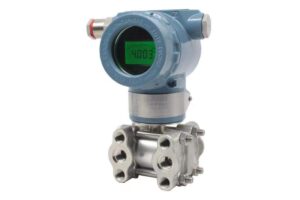
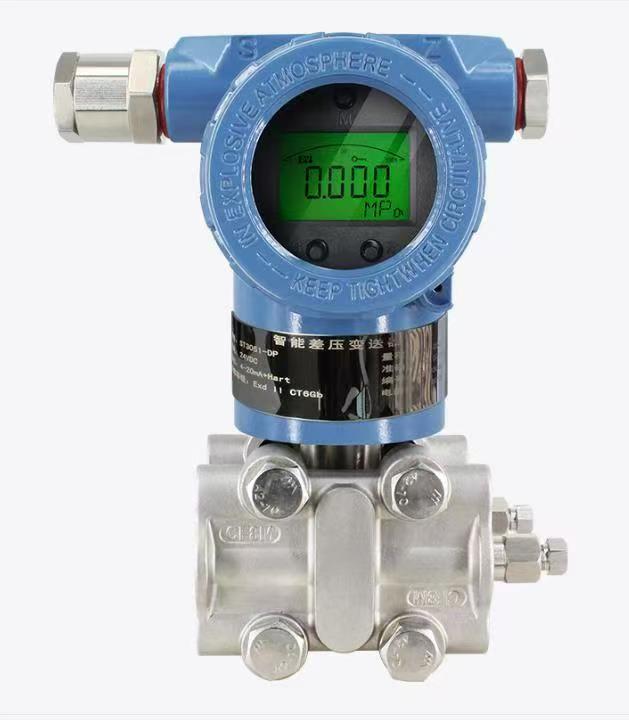
Differential pressure flow measurement systems typically use a primary element, such as an orifice plate, together with a differential pressure transmitter.
The transmitter measures the pressure difference generated by the flowing medium.
Based on the applicable calculation model and process parameters, the flow rate can then be determined.
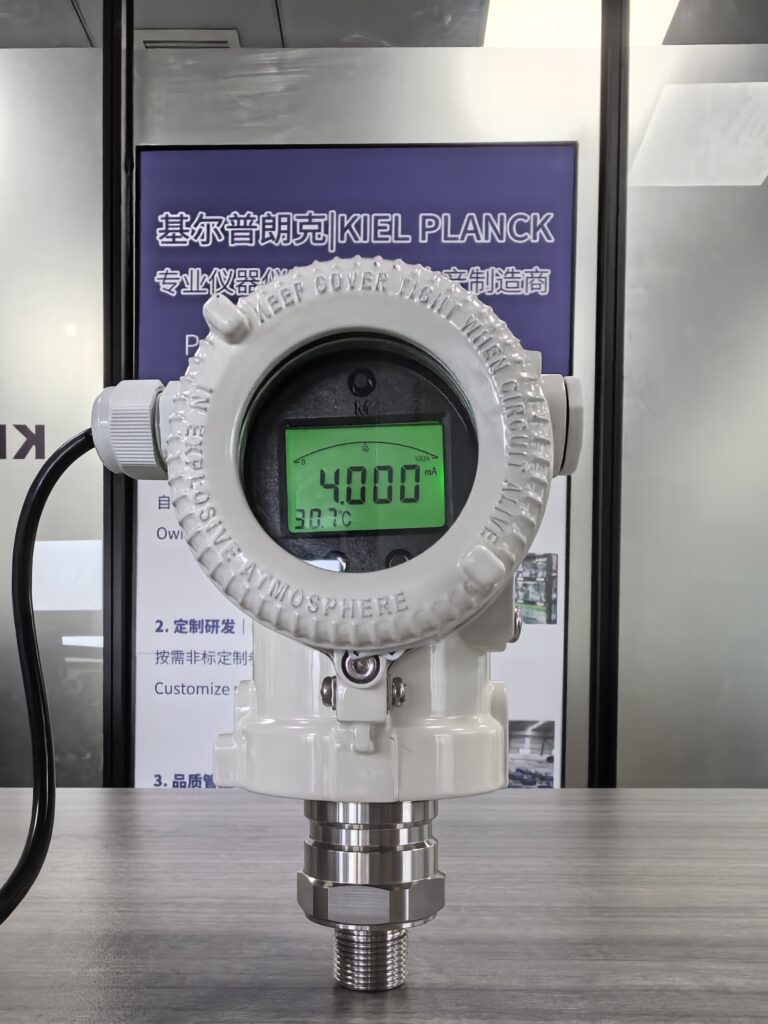
Single-crystal silicon sensing technology can be used in the differential pressure transmitter to support sensitive and stable pressure measurement.
2. Why Measurement Accuracy Is No Longer Enough
A measurement system may provide accurate readings under normal conditions but still encounter problems during actual operation.
Common challenges include:
Pressure fluctuations.
Temperature variations.
Changes in process conditions.
Abnormal instrument signals.
Incorrect installation.
Sensor drift over time.
Simply collecting measurement data does not automatically identify the cause of these problems.
Industrial users increasingly need instruments and control systems that help identify abnormal trends and support maintenance decisions.
3. The Role of Digital Communication
Digital communication technologies can improve the way instruments interact with automation systems.
Depending on the transmitter configuration, communication options may include HART and other industrial communication protocols.
These interfaces can support device configuration, diagnostic information, and maintenance activities.
The integration of digital communication also makes it easier to manage multiple instruments across a production facility.
4. From Measurement to Intelligent Monitoring
The next development stage involves combining measurement data with process information and diagnostic functions.
For example, a differential pressure measurement system may help operators identify unusual changes in filter resistance or process flow conditions.
However, intelligent diagnosis requires more than a sensor. It depends on reliable data, appropriate algorithms, system integration, and application-specific knowledge.
5. What Should Manufacturers Improve?
Future industrial instruments will need to focus on several areas:
Sensor performance: Better measurement stability and temperature compensation.
Signal processing: More reliable signal conversion and interference resistance.
Digital integration: Better compatibility with automation systems.
Diagnostics: More useful information for maintenance teams.
Manufacturing consistency: Reliable performance across production batches.
Conclusion
The future of industrial flow measurement is not simply about collecting more data.
It is about transforming reliable measurement information into useful insights for process optimization, equipment maintenance, and production management.
Single-crystal silicon differential pressure sensing technology can contribute to this development when combined with suitable transmitter design and digital integration.
For industrial equipment manufacturers, selecting reliable measurement instruments today is an important step toward building smarter production systems tomorrow.
Scan the QR code to receive more detailed information.