International certification is an important part of industrial instrument exports.
A pressure transmitter that meets the technical requirements of one market may still require additional assessment before it can be sold or installed in another.
For Chinese manufacturers exporting to Europe and North America, understanding the differences between CE marking, ATEX, UL, CSA, and other approval systems is essential.
1. What Does CE Marking Mean?
CE marking indicates that a product complies with the applicable European Union legislation requiring CE marking.
It is not simply a general product quality certificate.
Depending on the product design and intended application, industrial instruments may need to comply with one or more relevant EU requirements.
Potentially applicable legislation includes:
Electromagnetic Compatibility Directive (EMC).
Low Voltage Directive (LVD), where applicable.
ATEX Directive for equipment intended for explosive atmospheres.
Pressure Equipment Directive (PED), where the product falls within its scope.
Not every pressure transmitter automatically requires every directive.
The manufacturer must determine which legislation applies to the specific product.
2. What Is the Difference Between CE and ATEX?
CE marking is used for products covered by applicable EU harmonization legislation.
ATEX concerns equipment and protective systems intended for use in potentially explosive atmospheres.
For example, a pressure transmitter designed for a hazardous gas environment may require assessment under the ATEX Directive 2014/34/EU.
The relevant conformity assessment procedure depends on the equipment category and product classification.
Some categories require involvement of a notified body, while other products may follow different conformity assessment procedures.
3. What About North America?
North America has different product approval and installation requirements.
In the United States, industrial electrical equipment may require evaluation by an OSHA-recognized Nationally Recognized Testing Laboratory (NRTL), depending on the application and applicable codes.
Common certification organizations include:
UL.
CSA.
FM Approvals.
Intertek (ETL).
In Canada, certification and approval requirements also depend on applicable provincial and national regulations.
CSA certification and other recognized certification routes may be relevant.
A product carrying CE marking does not automatically meet North American requirements.
4. Common Certification Considerations
| Market | Common Requirements or Standards |
|---|---|
| European Union | CE marking under applicable EU legislation |
| EU hazardous areas | ATEX |
| International hazardous-area projects | IECEx, subject to local acceptance |
| United States | Applicable UL, FM or other NRTL certification |
| Canada | Applicable CSA or other accepted certification |
| Industrial pressure equipment in EU | PED, where applicable |
The actual requirements depend on product type, intended use, installation location, and local regulations.
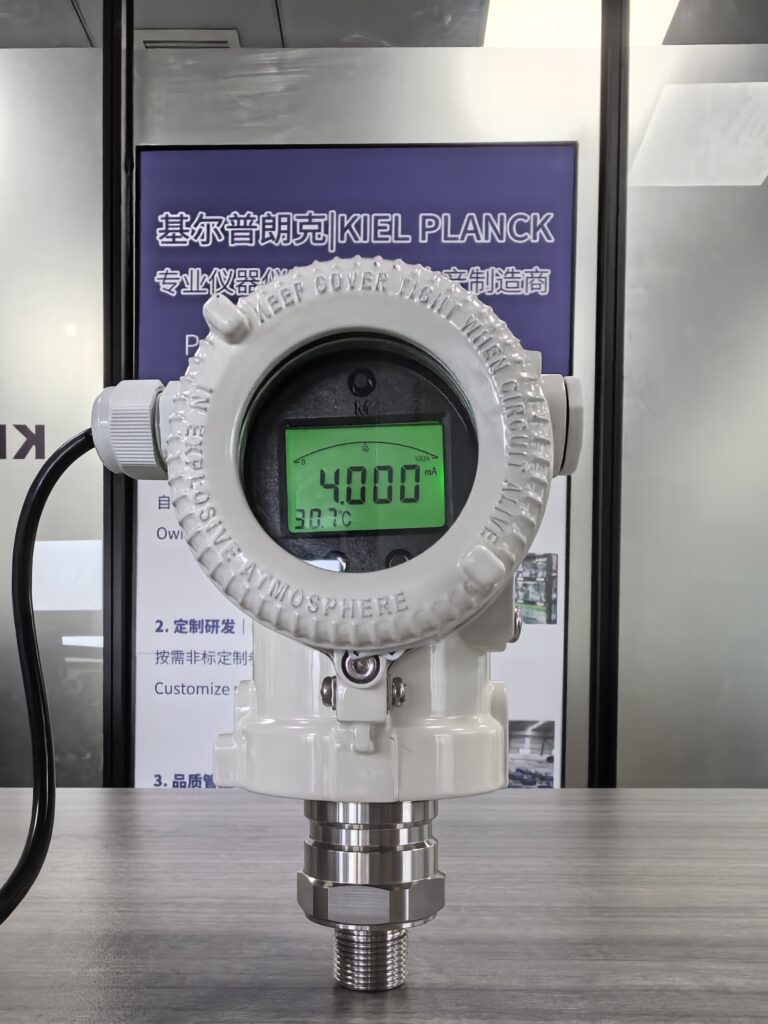
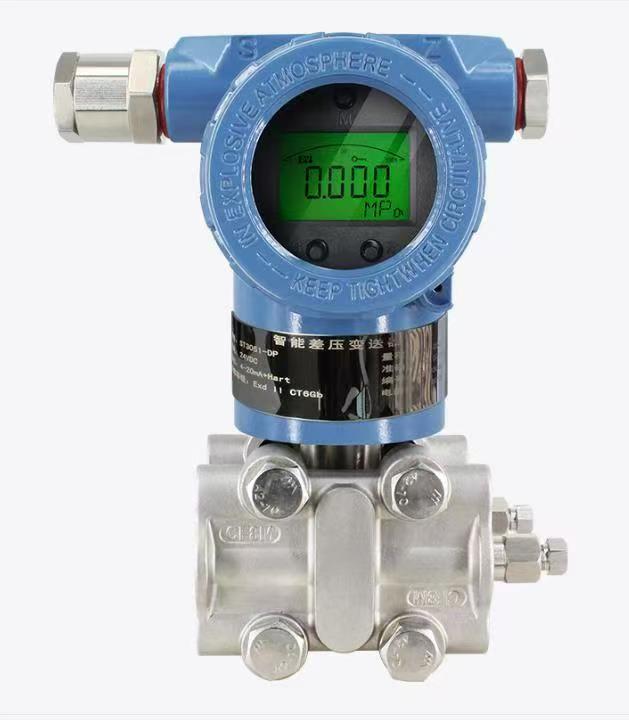
5. What About Explosion-Proof Pressure Transmitters?
Explosion protection is particularly important for instruments used in oil and gas, chemical plants, and hydrogen facilities.
European projects may require ATEX compliance for equipment within the directive’s scope.
North American projects may use different hazardous-location classification systems, such as Class/Division or Class/Zone.
The equipment marking and certification must match the project’s hazardous-area classification.
Do not assume that an ATEX or IECEx certificate automatically replaces a North American approval.
6. Documents Exporters Should Prepare
Before exporting industrial instruments, manufacturers should organize the following documents as applicable:
Product datasheet.
Technical drawings.
Declaration of Conformity.
Relevant test reports.
Certification documents.
Installation and operating manuals.
Wiring diagrams.
Material specifications.
Traceability and inspection records.
Buyers should verify that the documents correspond to the exact product model and configuration being purchased.
7. How Should Manufacturers Prepare for International Markets?
A professional export manufacturer should identify target-market requirements before starting product certification.
For example, a standard industrial pressure transmitter and an explosion-protected pressure transmitter may require different conformity assessments.
Understanding the target market in advance can reduce unnecessary certification costs and prevent delivery delays.
Manufacturers should also confirm whether a particular project requires additional approvals beyond general market-access requirements.
Conclusion
CE marking is important for many industrial instruments entering the European market, but it does not automatically authorize products for sale or installation in North America.
European and North American markets have different conformity assessment systems, certification organizations, and installation requirements.
For international buyers and manufacturers, the correct approach is to identify the target market, determine the applicable regulations, and verify that the product’s certificates match its intended application.
If you are sourcing pressure transmitters, flowmeters, or other industrial instruments for overseas projects, contact our team to discuss product specifications and available certification documentation.
Scan the QR code to receive more detailed information.