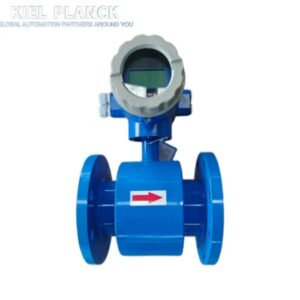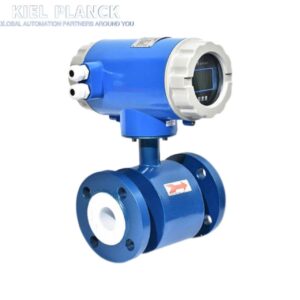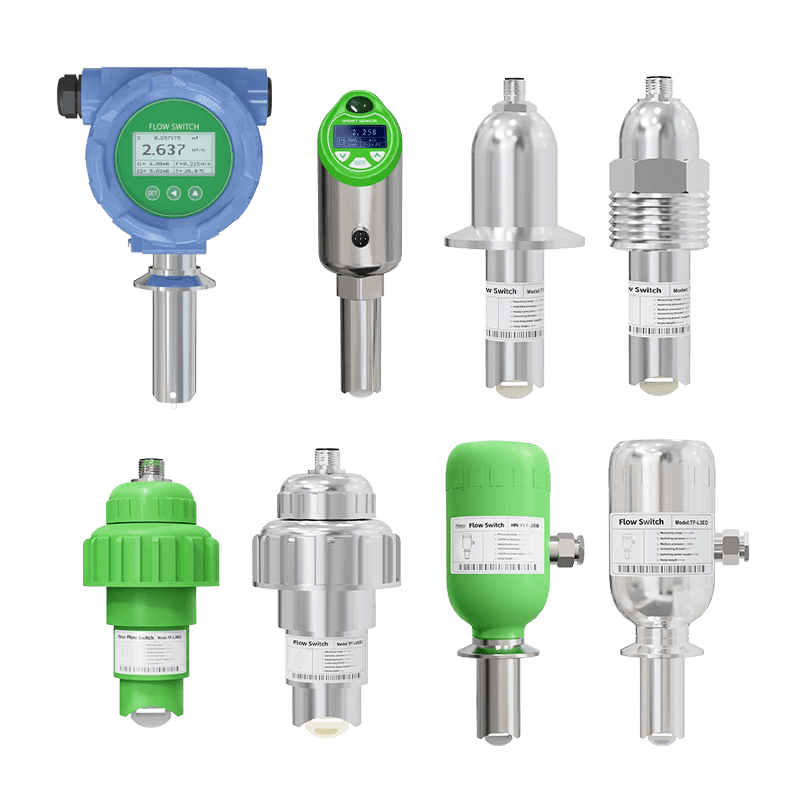
Impeller flowmeters are essential velocity-based measuring devices widely used in industrial fluid metering due to their compact structure, fast response and cost-effective performance. Measurement accuracy is the core index to evaluate their working performance, which directly affects the precision of industrial production metering, material accounting and process control. In actual operation, the accuracy of impeller flowmeters is vulnerable to multiple internal and external factors, resulting in measurement deviation and unstable data. Therefore, analyzing key accuracy influence factors and mastering scientific calibration methods are crucial to maintain long-term reliable operation of the equipment.
A variety of operational and medium factors constitute the main causes of measurement accuracy errors. First, fluid medium characteristics have the most direct impact. Impeller flowmeters are designed based on the linear relationship between flow velocity and impeller speed, which is applicable to low-viscosity clean fluids. When the measured medium has excessive viscosity, the fluid will form an adhesion layer on the impeller blades, increasing rotational resistance and reducing the impeller’s rotation speed, thus leading to lower indicated flow data than the actual value. In addition, fluids containing solid impurities will cause blade wear, jamming or unbalanced rotation, generating severe random measurement errors.
Second, installation and pipeline conditions significantly affect metering accuracy. The flowmeter requires a stable fluid flow field without turbulence and eddy current interference. If straight pipe sections in the front and rear of the sensor are insufficient, or the pipeline has elbow, valve and reducing pipe fittings, the fluid flow state will be disordered. This destroys the linear correlation between flow velocity and impeller speed and produces systematic errors. Moreover, inclined installation, pipeline vibration and uneven fluid pressure will also interfere with impeller stable rotation and reduce measurement repeatability.
Third, equipment aging and mechanical failure are key long-term influencing factors. The impeller bearing system bears long-term high-speed friction operation. After long-term service, bearing wear will increase rotational friction resistance and cause impeller rotation inflexibility. Meanwhile, blade abrasion, deformation and fouling will change the original structural parameters of the flowmeter, deviating the actual instrumental constant from the factory calibrated value. Additionally, aging of signal induction components and circuit interference will lead to pulse signal loss and distortion, further reducing measurement accuracy.
To eliminate measurement errors and restore metering precision, standardized calibration methods must be adopted regularly for impeller flowmeters. At present, factory and on-site calibration are two mainstream calibration modes, supported by national and industrial metering standards. The most common laboratory calibration method is the volumetric method, which uses a standard volumetric tank and constant pressure flow system. During calibration, stable fluid flows through the tested flowmeter, and the instrument’s cumulative flow reading is compared with the standard volume value of the tank. The system calculates the error value and corrects the instrumental constant to realize high-precision calibration.
For on-site working conditions that cannot be disassembled, the portable comparative calibration method is widely applied. This method uses a high-precision standard portable flowmeter for parallel comparison detection under actual working flow conditions. By testing multiple flow points including low, medium and high flow rates, staff can obtain the error curve of the tested instrument and complete parameter compensation and correction through the built-in microprocessor. This method avoids disassembly and shutdown losses and is suitable for daily regular maintenance and calibration of industrial equipment.
In addition to professional calibration, daily error prevention and auxiliary correction measures are equally important. Enterprises should formulate regular cleaning mechanisms to remove blade fouling and avoid medium adhesion errors, and replace worn bearings and deformed blades in a timely manner. It is also necessary to standardize pipeline installation, reserve sufficient straight pipe sections and reduce flow field interference. Regular calibration cycles should be formulated according to medium cleanliness and operating frequency to ensure the flowmeter works within the allowable error range for a long time.
In conclusion, the measurement accuracy of impeller flowmeters is mainly restricted by fluid medium properties, installation conditions and equipment operating states. Adopting scientific volumetric calibration and on-site comparative calibration can effectively eliminate systematic and random errors. Combined with standardized daily maintenance and management, these measures can fully guarantee the metering accuracy and operational stability of impeller flowmeters, providing reliable data support for industrial fluid metering and process production.
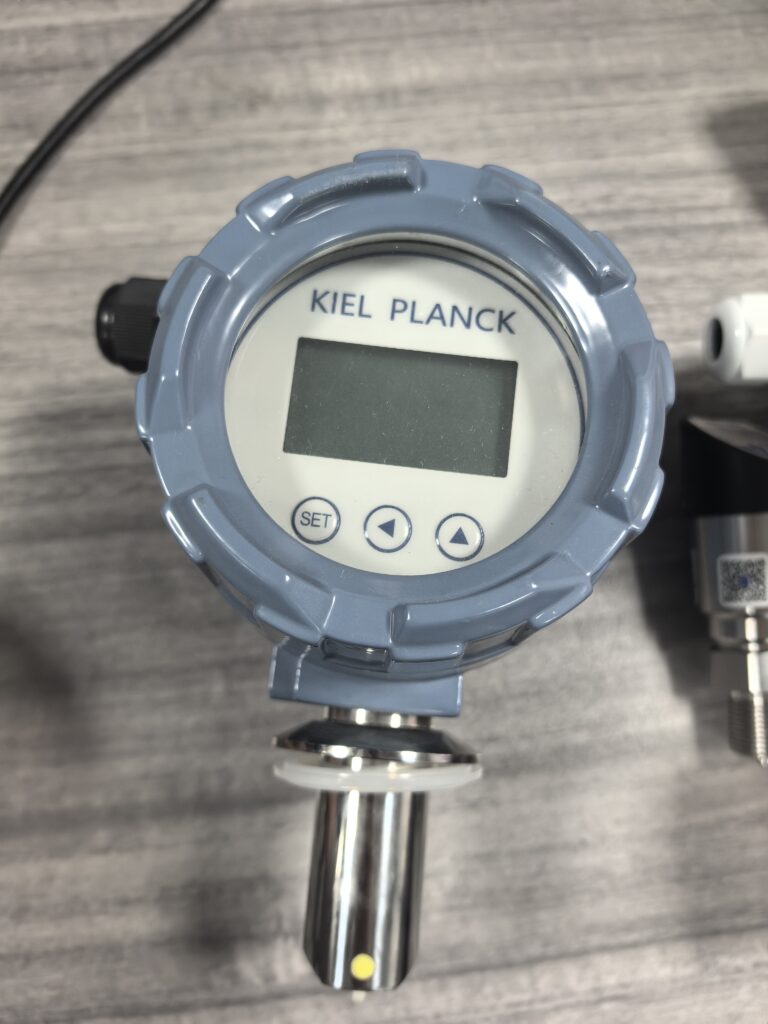
Scan the QR code to receive more detailed information.