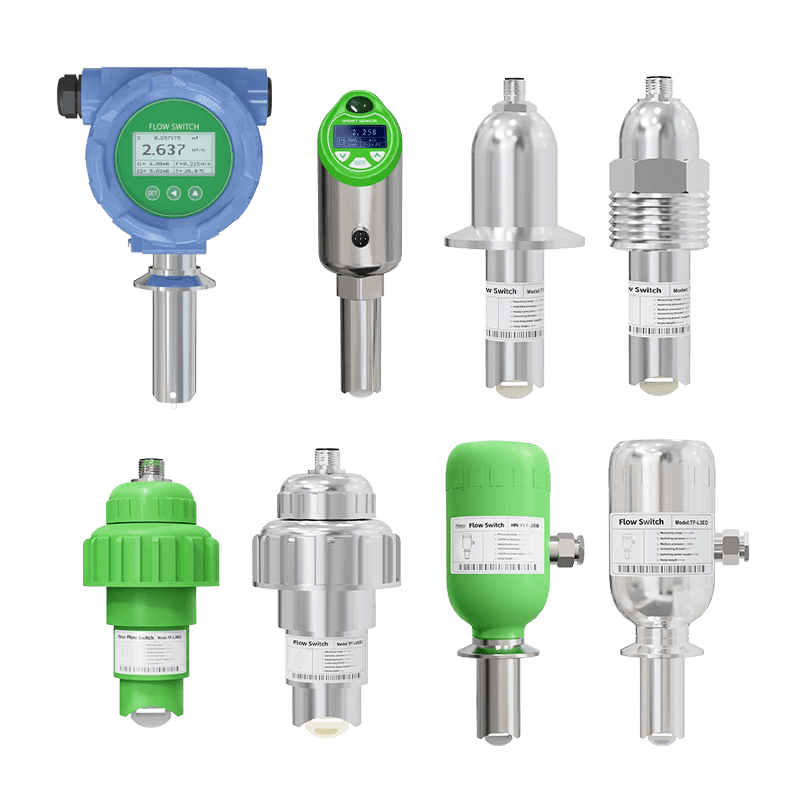
Intelligent Upgrade and Digital Transformation of Traditional Impeller Flowmeters
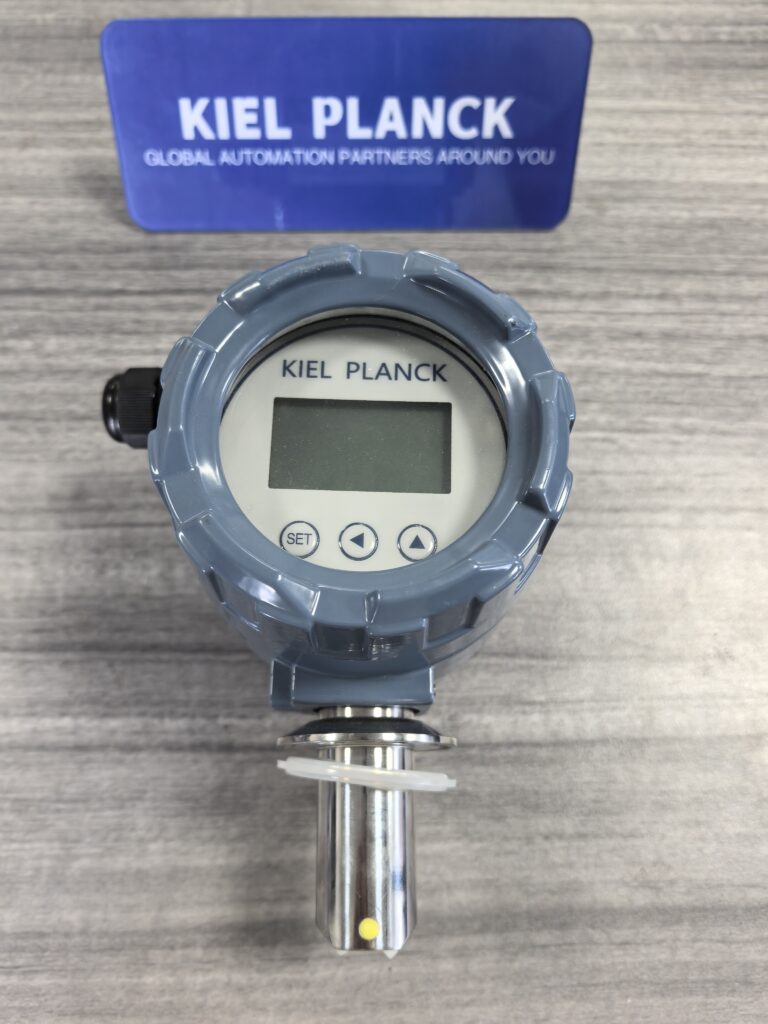
Traditional impeller flowmeters have been widely used in industrial fluid measurement for decades due to their simple structure, reliable mechanical performance and low manufacturing cost. As typical mechanical velocity-type measuring instruments, they can basically meet the basic flow metering demands of conventional industrial scenarios. However, with the rapid development of industrial digitization, smart factories and automated process control systems, traditional mechanical flowmeters expose prominent limitations.
Influence of Fluid Viscosity and Temperature on Measurement Performance of Impeller Flowmeters
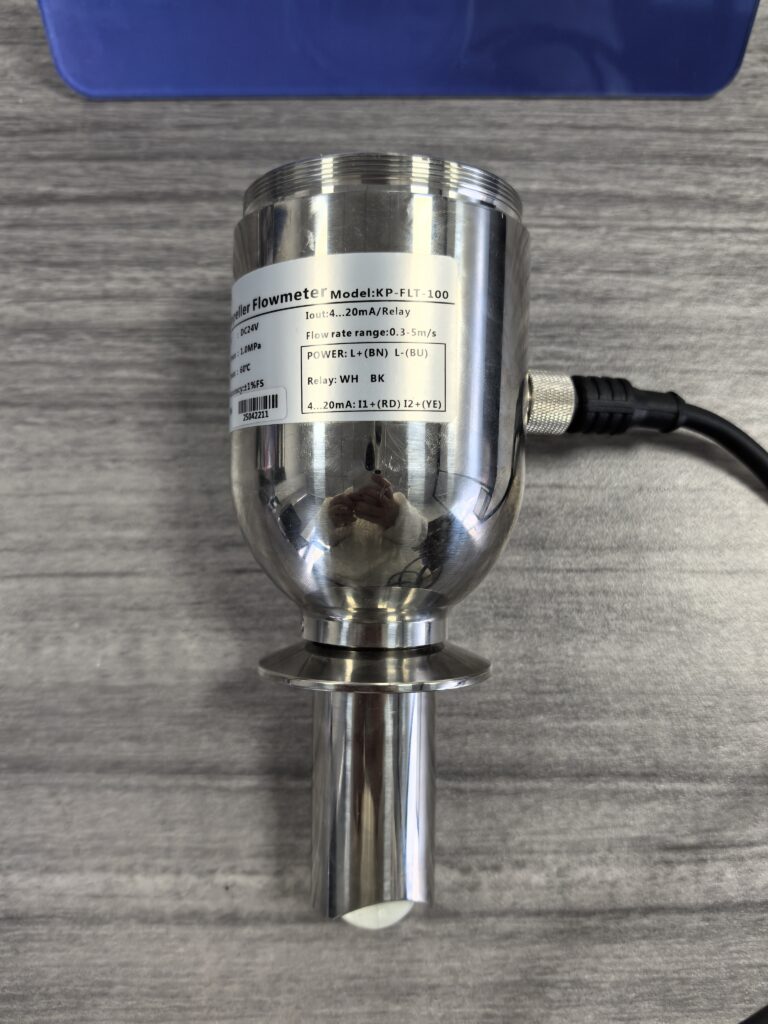
Impeller flowmeters are widely adopted in industrial fluid measurement due to their high linearity, low cost and stable dynamic response. Their measurement principle relies on the linear proportional relationship between fluid flow velocity and impeller rotational speed under rated working conditions.
Explosion-proof Design and Safety Application of Impeller Flowmeters in Chemical Industry
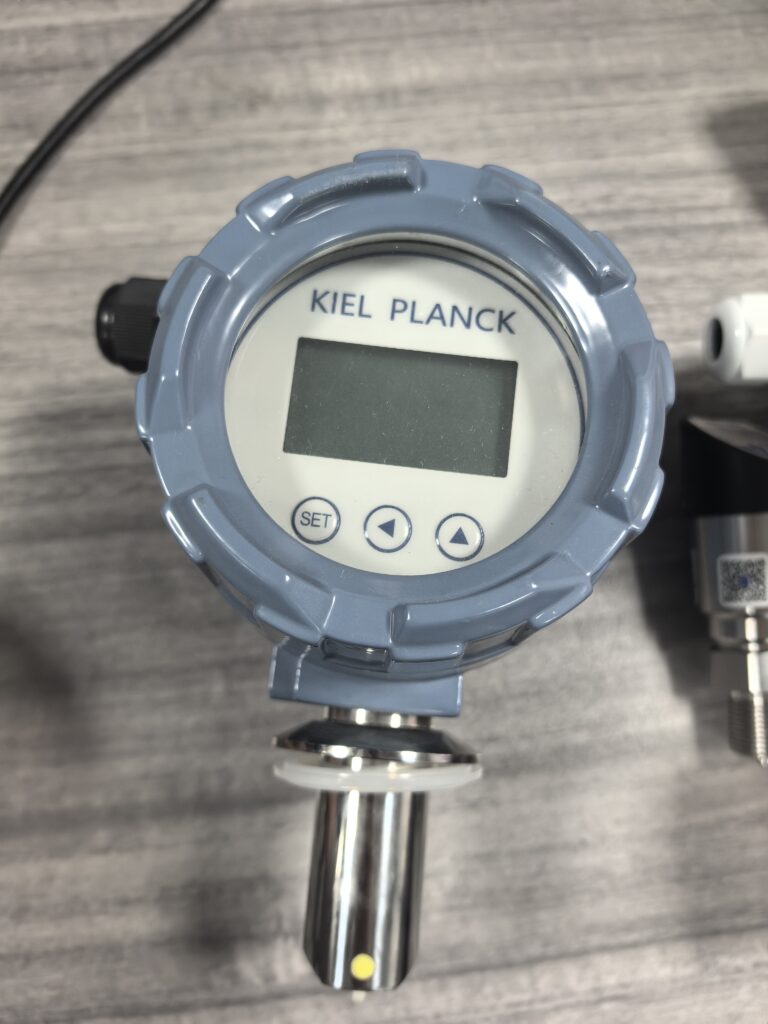
The chemical industry is characterized by complex production environments, where flammable, explosive, volatile and corrosive media are commonly transported and processed. Fluid flow measurement is an indispensable part of chemical process control, and the operational safety of measuring instruments directly determines the stability of factory production.
Fault Diagnosis and Daily Maintenance Strategy of Intelligent Impeller Flowmeters
With the continuous upgrading of industrial intelligent measurement systems, intelligent impeller flowmeters have replaced traditional mechanical flowmeters and become key equipment for fluid flow monitoring in petrochemical, water supply, pharmaceutical and energy industries.
Anti-interference design of impeller flowmeters
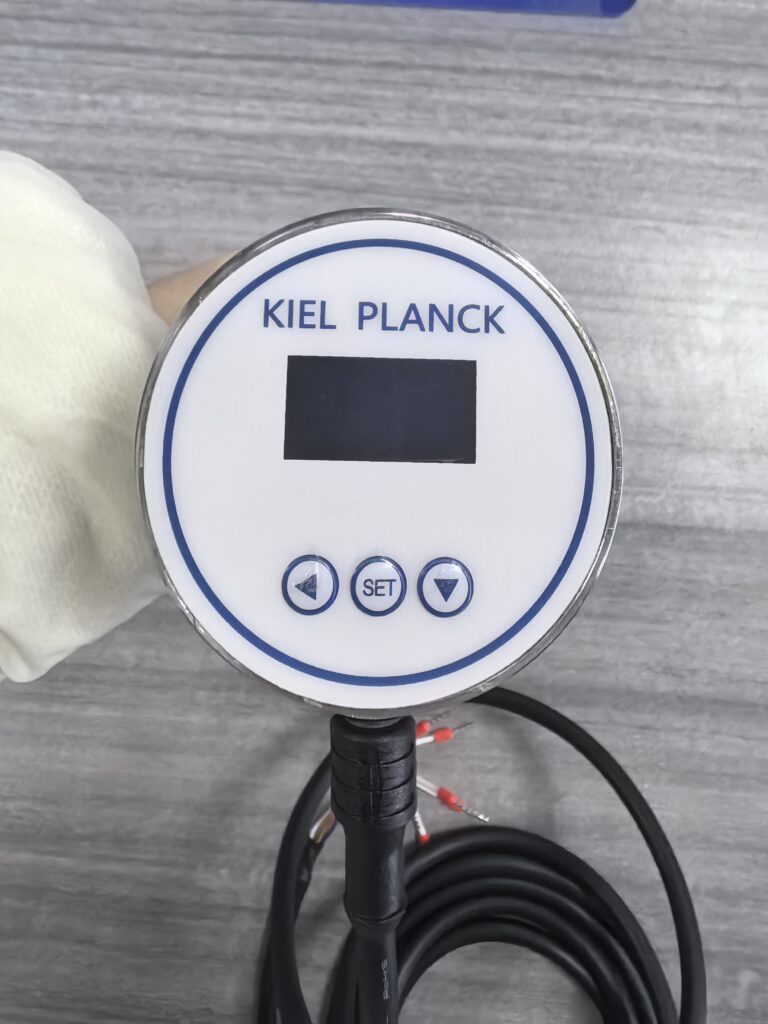
Industrial impeller flowmeters are pivotal velocity-type measuring instruments widely used in petrochemical, water treatment, energy transportation and other industrial fields. In complex industrial operating environments, equipment often faces various interferences, including pipeline mechanical vibration, fluid turbulence, electromagnetic signal interference and ambient temperature fluctuation.
Application Research of Impeller Flowmeters in Liquid Medium Measurement
Liquid medium measurement is a core part of industrial production, municipal engineering, and commercial metering. Accurate and real-time flow detection of liquids such as clean water, industrial solvents, and light oil directly affects production efficiency, material accounting, and energy consumption control.
Comparative Analysis of Impeller Flowmeter
Flow measurement is a fundamental link in industrial process control, energy metering and fluid transportation systems. Among numerous flow detection devices, impeller flowmeters and differential pressure flowmeters are two of the most widely used traditional and mainstream instruments. The impeller flowmeter belongs to velocity-type flow measuring equipment, while the differential pressure flowmeter is a typical pressure-difference-based measuring device with a long application history.
Accuracy Influence Factors and Calibration Methods of Impeller Flowmeters
Impeller flowmeters are essential velocity-based measuring devices widely used in industrial fluid metering due to their compact structure, fast response and cost-effective performance. Measurement accuracy is the core index to evaluate their working performance, which directly affects the precision of industrial production metering, material accounting and process control.
Working Principle and Basic Structural Composition of Impeller Flowmeters
Impeller flowmeters are one of the most widely used velocity-type flow measuring instruments in industrial fluid measurement. With the advantages of high measurement accuracy, stable operation, simple structure and low cost, they are extensively applied in the measurement of liquid and gas flow in petroleum, chemical industry, water supply, food processing and other fields.