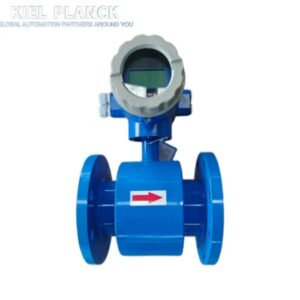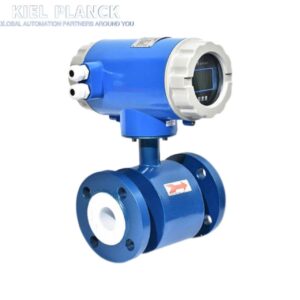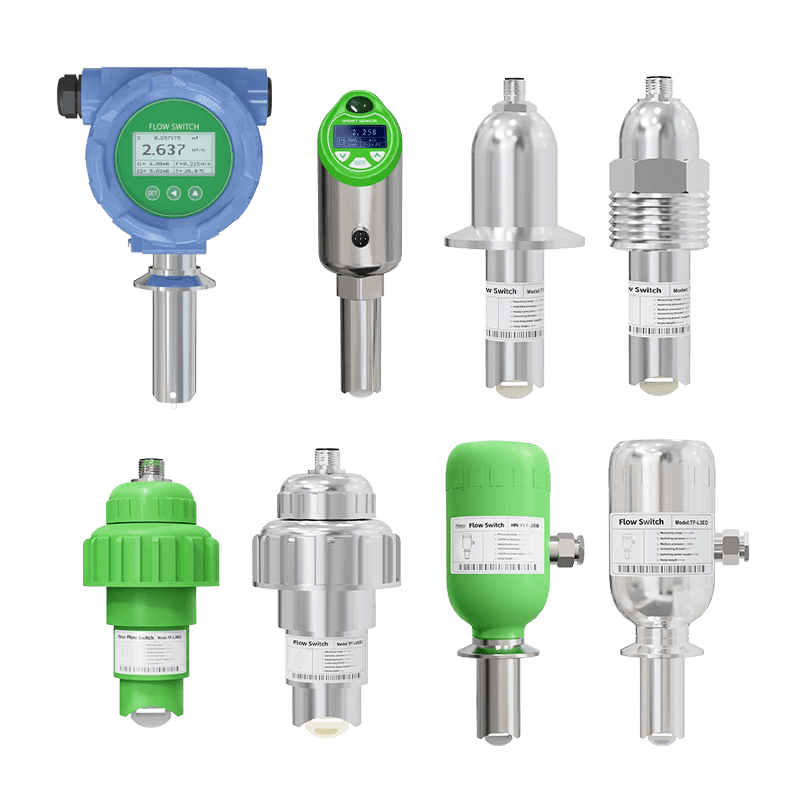
Liquid medium measurement is a core part of industrial production, municipal engineering, and commercial metering. Accurate and real-time flow detection of liquids such as clean water, industrial solvents, and light oil directly affects production efficiency, material accounting, and energy consumption control. As a typical velocity-type flow measuring instrument, the impeller flowmeter has become one of the most preferred devices for liquid medium measurement by virtue of its high measurement accuracy, fast response speed, compact structure and low operating cost. This paper systematically explores the working adaptability, typical application scenarios, existing limitations and optimization strategies of impeller flowmeters in liquid medium measurement.
The unique working principle of impeller flowmeters determines their excellent adaptability to liquid medium measurement. Different from gas media, liquid fluids have stable density, low compressibility and uniform flow state under conventional working conditions, which perfectly matches the linear working characteristics of impeller flowmeters. When liquid flows through the pipeline, stable fluid kinetic energy continuously impacts the impeller blades, driving uniform and stable rotation. Within the rated flow range, the impeller rotation speed maintains a highly linear correlation with liquid flow velocity and volume flow. The mechanical rotation signal is converted into standard electrical pulse signals, which can accurately obtain instantaneous flow and cumulative flow of liquid media. This direct measurement method avoids the nonlinear error defects of differential pressure flowmeters and is more suitable for precise liquid metering.
Impeller flowmeters have been widely applied in multiple liquid measurement scenarios with stable and reliable performance. In municipal water supply and drainage engineering, they are the mainstream metering equipment for tap water measurement. They can accurately monitor residential water consumption and industrial water usage, providing reliable data support for water resource statistics and charging management. Their small installation space requirements and low maintenance difficulty make them highly adaptable to complex urban pipeline layouts.
In the food and fine chemical industry, impeller flowmeters play an irreplaceable role in measuring clean low-viscosity liquid media such as edible oil, beverage raw materials and chemical solvents. These industries put forward strict requirements on measurement precision and equipment sanitation. The stainless steel integrated structure of high-precision impeller flowmeters avoids medium contamination, and their high metering accuracy ensures the precise proportioning of raw materials and stable product quality. In addition, in the petrochemical field, they are commonly used for the measurement of light oil media including gasoline and diesel, realizing accurate trading metering and process flow monitoring.
Compared with other flow measuring devices, impeller flowmeters show prominent comprehensive advantages in liquid medium measurement. First, they have a wide linear measurement range and excellent low-flow measurement performance, which can capture tiny liquid flow changes that are difficult to detect by traditional differential pressure flowmeters. Second, they cause almost no permanent pressure loss to liquid fluids, reducing pipeline transmission energy consumption and operating costs. Third, the instrument has good repeatability and stable long-term operation performance, which is suitable for continuous online monitoring of liquid media in industrial production.
Nevertheless, impeller flowmeters have certain application limitations in liquid measurement, restricting their use in special working conditions. They are not applicable for high-viscosity liquid media such as heavy oil and slurry. High viscosity will form adhesion on impeller blades, increase rotational resistance, and destroy the linear relationship between rotation speed and flow rate, resulting in large measurement errors. Meanwhile, liquid media containing solid impurities are prone to cause blade wear, bearing jamming and flow channel blockage, which seriously affect the service life and measurement stability of the instrument.
To expand its application scope in liquid measurement, targeted optimization measures are adopted in practical engineering. For slightly turbid liquid media, filter devices are installed at the front end of the pipeline to block impurities and protect the impeller assembly. For medium-viscosity liquid scenarios, optimized streamlined blades and wear-resistant bearing materials are used to reduce fluid adhesion and friction resistance. In addition, regular cleaning, calibration and maintenance are carried out to eliminate measurement drift caused by equipment aging and medium fouling, ensuring long-term measurement accuracy.
In conclusion, impeller flowmeters have outstanding applicability and unique advantages in the measurement of clean, low-viscosity liquid media, covering municipal water supply, food processing, chemical industry and many other fields. Although they have limitations in measuring high-viscosity and impurity-containing liquids, their application performance can be effectively improved through structural optimization and auxiliary facility matching. With continuous technological upgrading, impeller flowmeters will maintain irreplaceable application value in the field of liquid medium precision measurement.
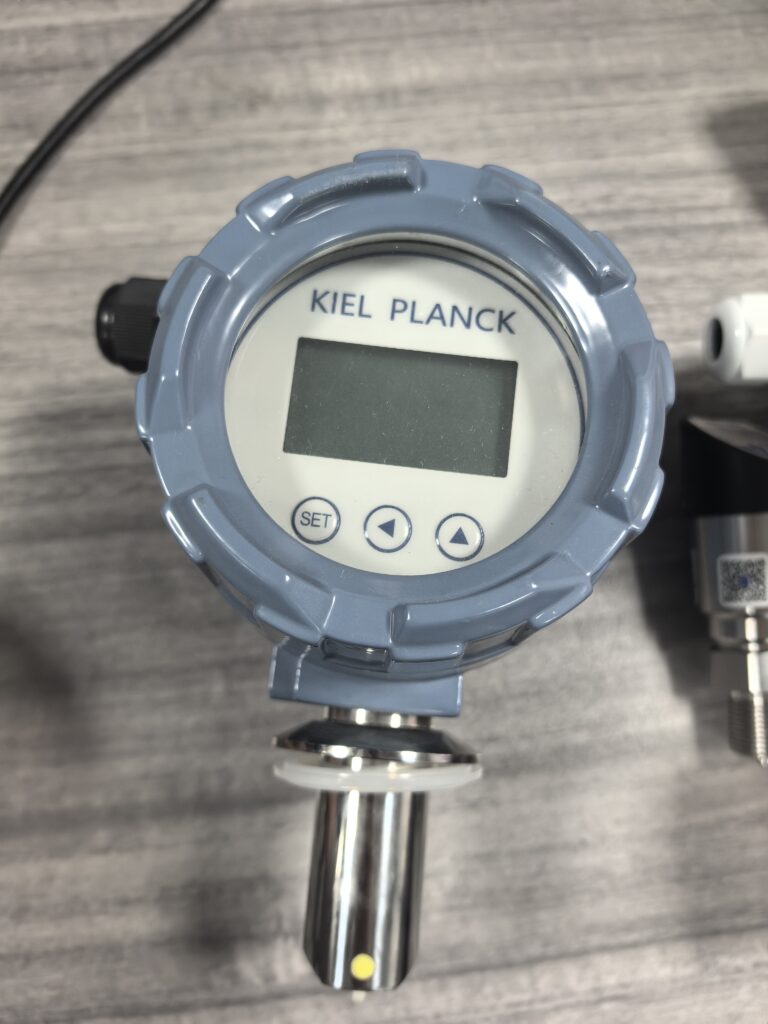
Scan the QR code to receive more detailed information.