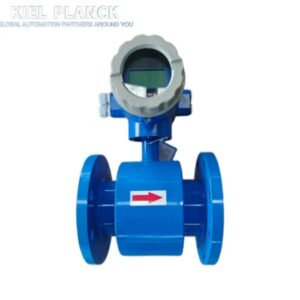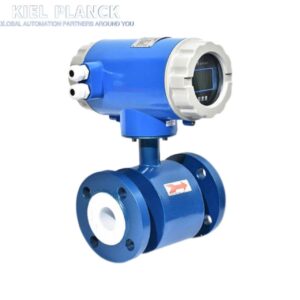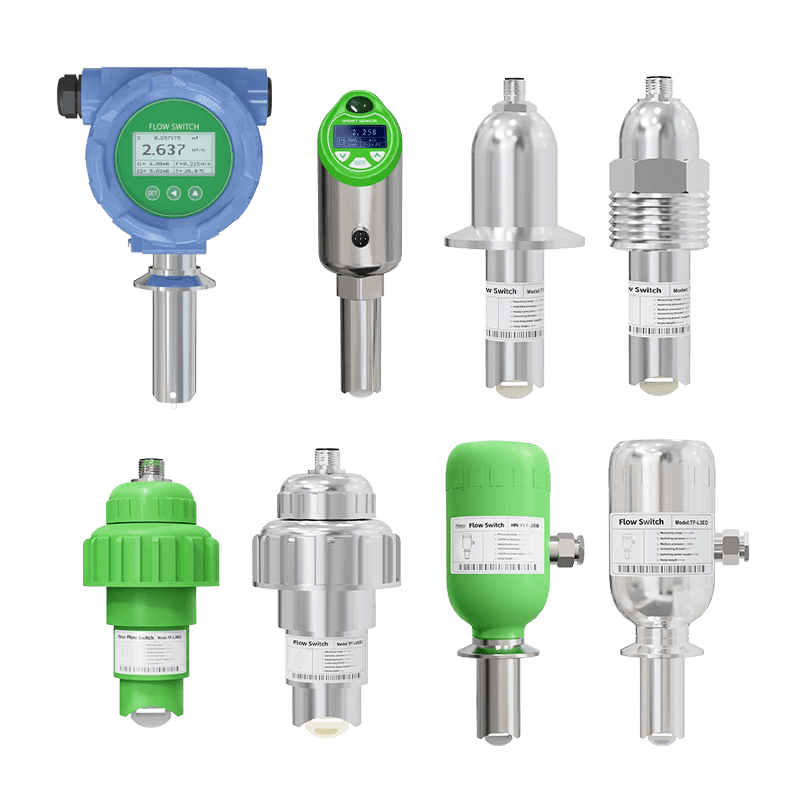
Relying on mechanical signal output and manual reading, they cannot realize real-time data transmission, remote monitoring and intelligent error correction. Therefore, the intelligent upgrade and digital transformation of traditional impeller flowmeters have become an inevitable trend to adapt to modern industrial precise measurement and intelligent management.
Traditional impeller flowmeters have multiple inherent defects that restrict their application in digital industrial systems. Most conventional products only support on-site mechanical display and simple pulse signal output, lacking real-time data interaction functions. Operation data cannot be uploaded to the industrial control platform remotely, resulting in isolated measurement data and inability to form systematic process monitoring. In addition, traditional instruments rely on fixed factory calibration parameters, without adaptive compensation functions for temperature, viscosity, vibration and other interference factors. Manual regular inspection, calibration and recording are required, which consume massive human resources and cannot timely detect measurement drift and equipment faults. These shortcomings make them incompatible with intelligent, unmanned and digital industrial production modes.
The core of intelligent upgrade lies in the optimization of sensing system, signal processing and intelligent algorithm embedding. On the basis of retaining the original reliable mechanical impeller measuring structure, upgraded flowmeters are equipped with high-precision magnetic induction and photoelectric sensing modules. These high-sensitivity sensors can capture tiny rotation changes of the impeller, effectively improving the resolution and anti-interference ability of signal collection. Different from the single signal output of traditional equipment, intelligent processing chips are embedded to filter, amplify and shape the collected pulse signals, eliminating random errors caused by pipeline vibration and fluid turbulence.
Algorithm intelligence is a key breakthrough in the upgrading process. Modern intelligent impeller flowmeters integrate temperature and viscosity compensation algorithms, vibration error correction models and self-calibration programs. They can monitor fluid temperature, medium viscosity and operating environment parameters in real time, dynamically adjust the instrument constant, and automatically compensate systematic errors caused by changes in working conditions. Moreover, the self-diagnosis function is realized through intelligent programming. The instrument can automatically identify abnormal conditions such as impeller jamming, signal loss and data drift, and trigger early warning prompts, greatly improving equipment operation safety and maintenance efficiency.
Digital transformation focuses on data transmission, interconnection and information management, realizing the transformation from single-point measurement to systematic data service. Upgraded digital flowmeters are equipped with standard industrial communication interfaces such as RS485, Modbus and wireless LoRa modules. They support real-time, batch and stable transmission of instantaneous flow, cumulative flow, operating temperature and equipment status data to industrial cloud platforms and PLC control systems. This solves the problem of data silos of traditional flowmeters and realizes unified collection, sorting and analysis of fluid measurement data.
In addition, digital transformation builds a full-cycle data management system for flow measurement. Based on cloud platform data storage and big data analysis technology, the system can record long-term operation data of flowmeters, generate operation trend curves, and predict equipment aging rules and potential faults. It realizes the transformation from passive manual maintenance to active predictive maintenance. Meanwhile, the visualized data display function enables managers to remotely monitor the operating status of each measuring point in real time, which is conducive to optimizing production processes and improving industrial fluid management efficiency.
The intelligent and digital transformation brings significant application value to industrial fluid measurement. It not only inherits the advantages of low cost and stable mechanical performance of traditional impeller flowmeters, but also makes up for their deficiencies in data interaction and intelligent control. After upgrading, the flowmeters feature higher measurement accuracy, stronger environmental adaptability and smarter operation management, which are perfectly compatible with smart factory construction, industrial automatic control and energy consumption statistical management. They effectively reduce manual maintenance costs, lower measurement error rate, and improve the overall digital level of industrial fluid metering systems.
In conclusion, the intelligent upgrade and digital transformation of traditional impeller flowmeters take the classic mechanical measurement structure as the foundation, and realize performance iteration through sensor optimization, algorithm embedding and digital communication technology. This transformation enables traditional measuring equipment to adapt to the development needs of modern digital industry, realizing the upgrading from simple metering tools to intelligent data acquisition and monitoring terminals. With the continuous progress of industrial digital technology, intelligent digital impeller flowmeters will gain broader application prospects in industrial precise measurement and intelligent process control.
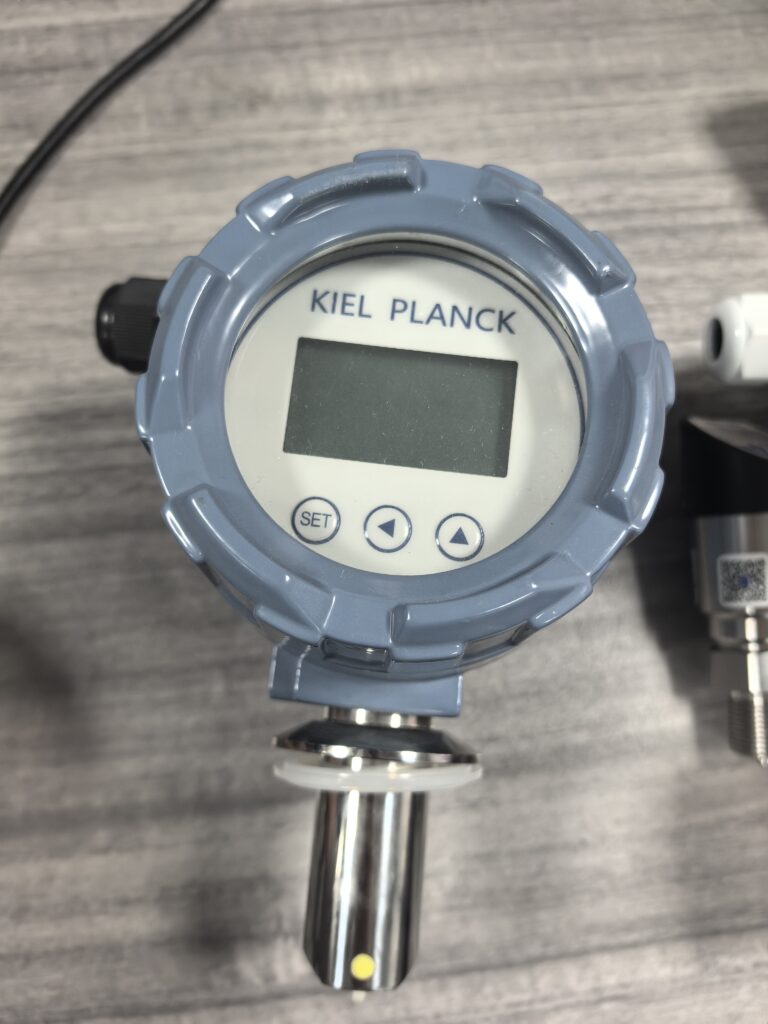
Scan the QR code to receive more detailed information.