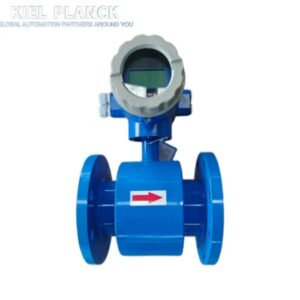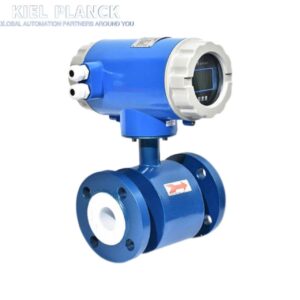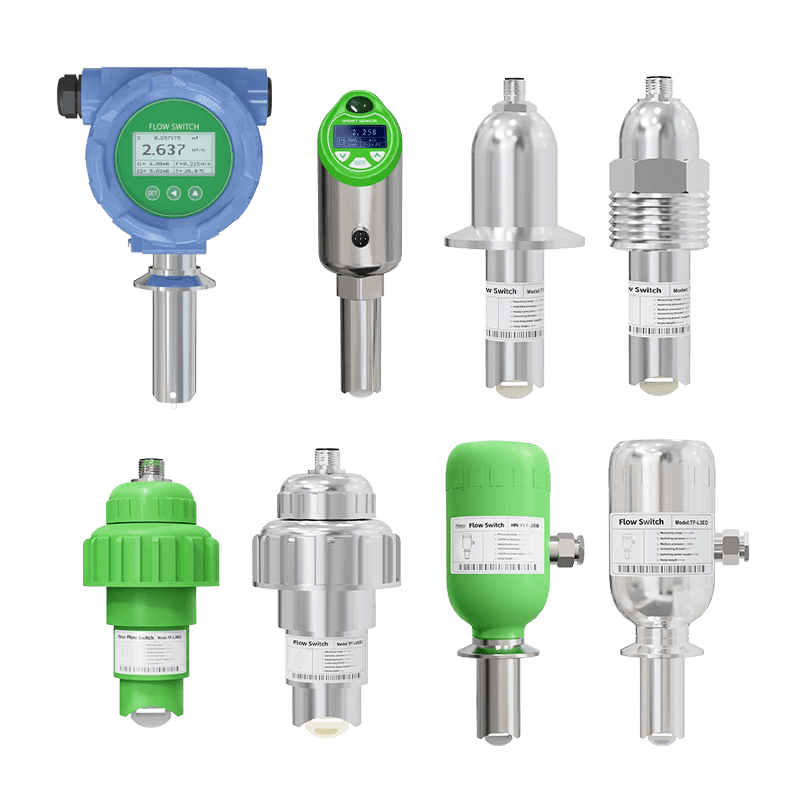
Integrated with sensing modules, data processing chips and remote transmission units, intelligent impeller flowmeters feature high measurement accuracy, automatic data recording and real-time monitoring functions. However, long-term continuous operation, complex industrial environments and medium erosion easily lead to mechanical wear, signal abnormality and measurement failure. Effective fault diagnosis and standardized daily maintenance strategies are essential to ensure long-term stable operation and extend the service life of intelligent impeller flowmeters.
Common faults of intelligent impeller flowmeters in industrial operation can be mainly classified into mechanical faults, signal faults and data abnormal faults. Mechanical faults are the most frequent types, including impeller jamming, bearing wear and blade fouling. When the measured fluid contains impurities, sediments or viscous substances, the impeller blades are prone to adhesion and blockage, resulting in slow rotation or stationary failure. Long-term high-speed operation will cause bearing abrasion and increased friction, leading to unbalanced impeller rotation and obvious measurement deviation. These mechanical abnormalities are usually accompanied by unstable instantaneous flow data and increased equipment operating noise.
Signal and electrical faults are unique problems of intelligent flowmeters. Different from traditional mechanical products, intelligent impeller flowmeters rely on electronic induction and circuit systems to collect and transmit pulse signals. Common signal faults include weak pulse signal, intermittent signal loss and signal distortion, which are mainly caused by damaged induction sensors, aging circuit boards, loose wiring and external electromagnetic interference. In severe cases, the flowmeter will display zero drift, no flow display or fixed-value data, failing to reflect real fluid flow conditions. In addition, power supply instability and damp internal circuits will also trigger system startup failure and data transmission interruption.
To accurately locate and eliminate equipment abnormalities, targeted intelligent and manual fault diagnosis methods have been formed in industrial applications. First, real-time data diagnosis is adopted through the built-in intelligent monitoring system. The flowmeter’s microprocessor can automatically record operating parameters such as rotation speed, signal frequency and operating temperature. By analyzing data fluctuation range and linearity, staff can quickly judge abnormal conditions such as impeller jamming and signal attenuation. Second, on-site manual inspection diagnosis is used for auxiliary verification, including checking pipeline tightness, observing impeller rotation status and testing circuit connection stability.
Professional instrument calibration and fault troubleshooting are also important diagnostic means. Regular comparison calibration with standard measuring instruments can find systematic errors caused by component aging. For sudden faults such as no display and no signal output, step-by-step inspection of power supply system, signal line and sensing components can quickly locate fault points, realizing efficient and accurate fault classification and elimination. This combination of intelligent automatic diagnosis and manual detection greatly improves the efficiency of equipment fault maintenance.
Scientific daily maintenance strategies are the fundamental way to reduce faults and ensure long-term stable operation of intelligent impeller flowmeters, which can be divided into regular cleaning, periodic inspection and standardized calibration. Regular cleaning is aimed at solving medium adhesion and impurity accumulation problems. According to the cleanliness of the fluid medium, the impeller and flow channel are cleaned regularly to remove sediments and viscous attachments, preventing blade jamming and rotation failure.
Periodic inspection focuses on mechanical components and electrical systems. Staff need to regularly check the wear degree of bearings and blades, replace severely worn parts in a timely manner, and fasten loose connecting components. For electrical systems, it is necessary to keep the instrument shell sealed and dry, prevent circuit damp and corrosion, and check the anti-electromagnetic shielding device to ensure stable signal transmission. In addition, environmental inspection should not be ignored to avoid long-term vibration and high-temperature erosion affecting equipment performance.
Regular calibration and parameter optimization are key to maintaining measurement accuracy. Affected by component aging and environmental changes, the instrumental constant of the flowmeter will drift after long-term operation. Regular professional calibration and parameter compensation correction can eliminate systematic errors. Meanwhile, the intelligent system operation log should be sorted out regularly to summarize fault rules, adjust maintenance cycles and form targeted maintenance plans for different working conditions.
In conclusion, intelligent impeller flowmeters face multiple potential faults in mechanical structure and intelligent circuit system during operation. Adopting efficient intelligent fault diagnosis technology and implementing standardized daily maintenance strategies can effectively reduce equipment failure rate, eliminate measurement errors and extend equipment service life. Perfect fault diagnosis and maintenance management mechanisms are of great significance to ensure the accuracy, stability and intelligence of industrial fluid measurement.
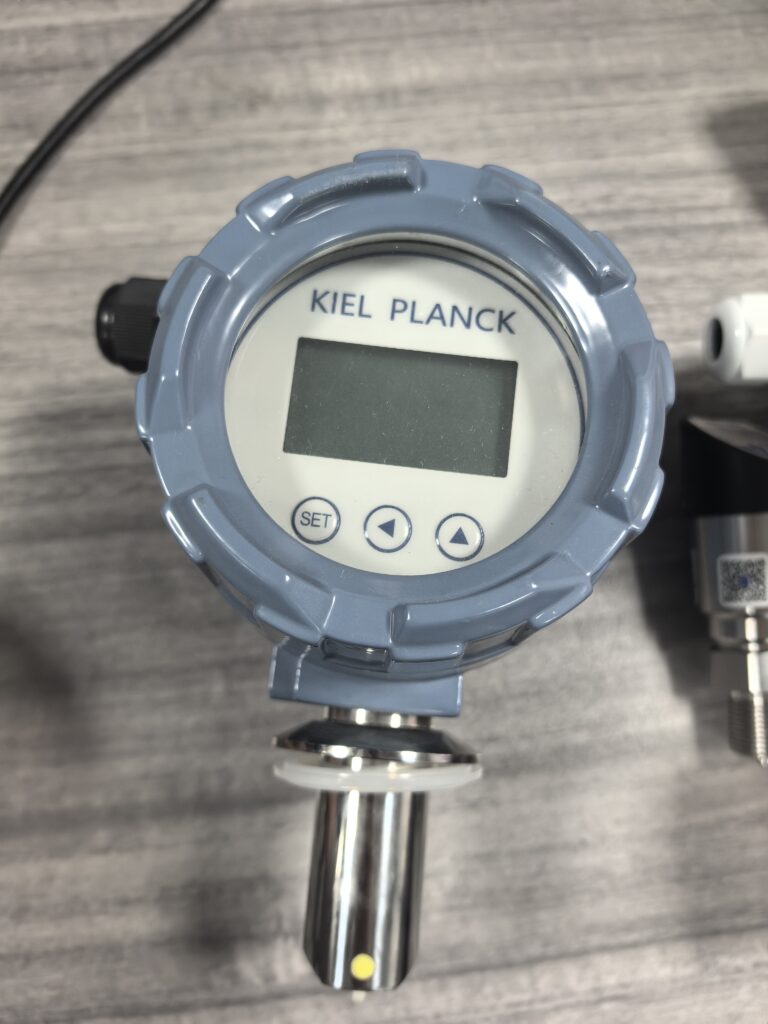
Scan the QR code to receive more detailed information.