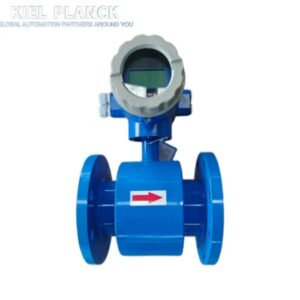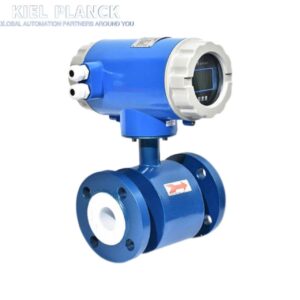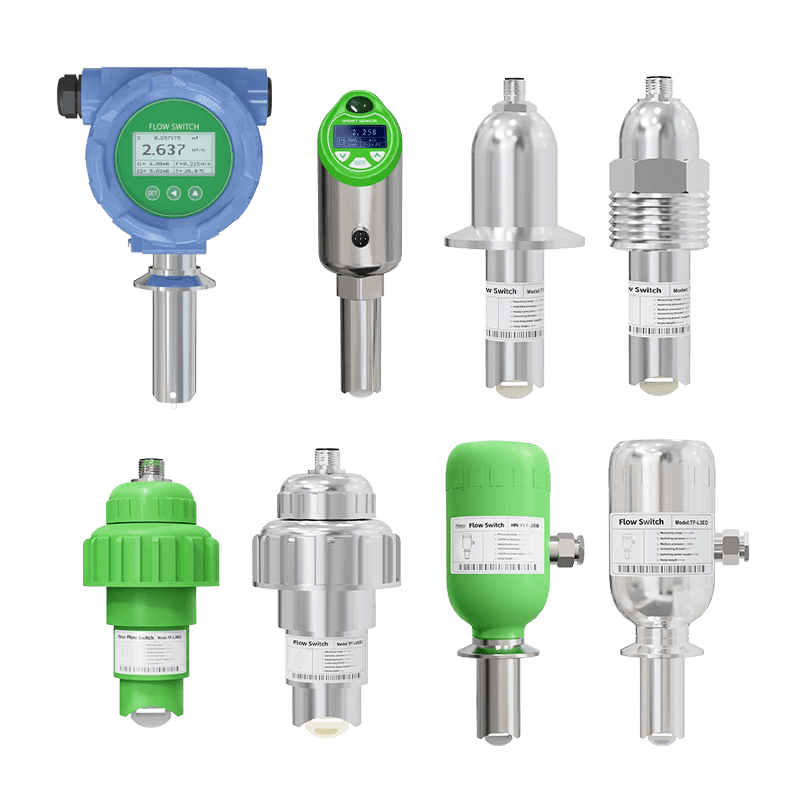
As a widely used precision flow measuring device, the impeller flowmeter must adopt professional explosion-proof design when applied in chemical scenarios. Reasonable explosion-proof structure and standardized safety application specifications can effectively avoid explosion accidents caused by instrument failure, static electricity or electric sparks. This paper discusses the core explosion-proof design points and standardized safety application strategies of impeller flowmeters in chemical industrial scenarios.
Special environmental characteristics of chemical factories put forward strict explosion-proof requirements for impeller flowmeters. Most chemical workshops contain mixed gas composed of organic solvents, hydrogen, methane and other flammable substances. When the gas concentration reaches the explosive limit, any tiny ignition source such as electric sparks, static discharge and high-temperature surface of electrical equipment will trigger severe explosion accidents. Traditional ordinary impeller flowmeters lack sealed and isolation protection structures. Their internal circuit components and rotating mechanical structures are prone to generate electric sparks and friction heat during operation, which cannot meet the safety standards of hazardous chemical working conditions. Therefore, specialized explosion-proof optimization design is a necessary prerequisite for its application in chemical industry.
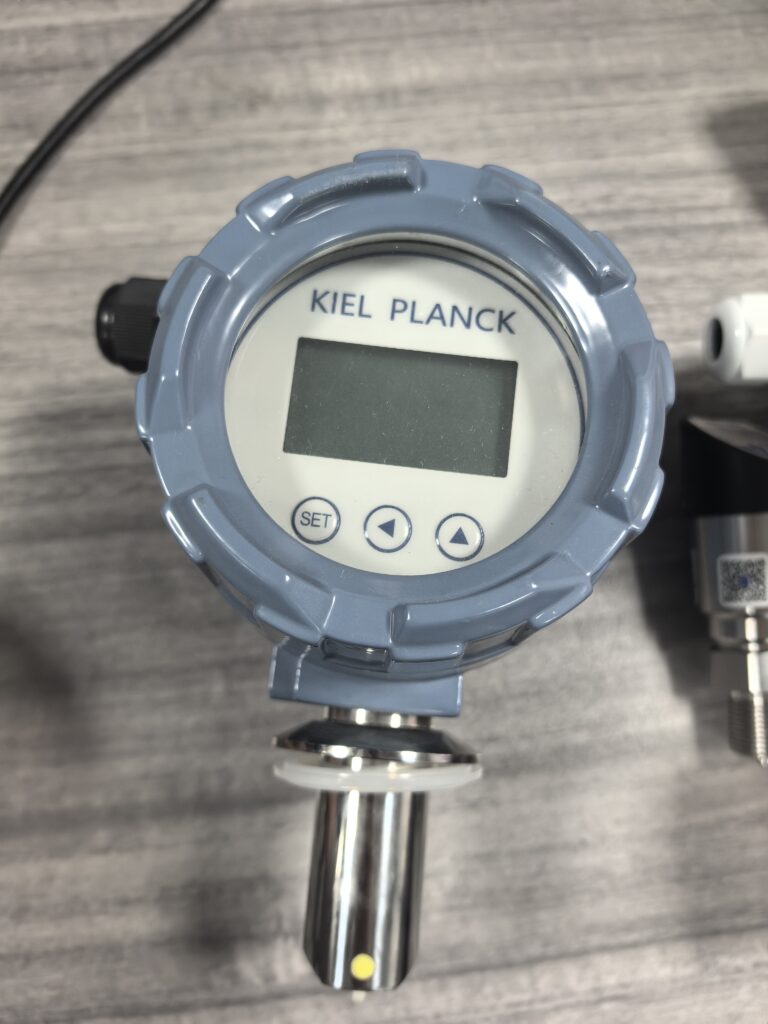
The core explosion-proof design of chemical impeller flowmeters mainly includes flameproof enclosure structure, static elimination design and intrinsically safe circuit optimization. The flameproof shell is the most basic explosion-proof structure, which adopts integral thickened stainless steel or aluminum alloy sealing structure. All shell joints and wiring ports are equipped with special flameproof gaskets and sealing devices. Even if internal circuit failure causes local explosion inside the instrument, the closed shell can isolate the explosion impact and flame, preventing internal explosion energy from spreading to the external hazardous environment and igniting flammable gas.
Static electricity suppression and mechanical anti-spark design are key targeted improvements for chemical working conditions. The high-speed rotation of the impeller and the friction between fluid medium and pipeline easily accumulate static electricity. Explosion-proof flowmeters are equipped with professional grounding devices and conductive structural parts to quickly export static charges and avoid static discharge sparks. Meanwhile, the impeller blades and bearings adopt non-spark alloy materials, which can eliminate friction sparks generated by mechanical rotation and collision, fundamentally reducing mechanical ignition risks in flammable environments.
In terms of electrical design, explosion-proof impeller flowmeters adopt intrinsically safe circuit technology. The internal signal acquisition, processing and transmission circuits are optimized to limit working current and voltage within a safe range. The circuit system is equipped with overvoltage and overcurrent protection modules, which can automatically cut off the power supply in case of circuit abnormality to avoid high temperature and electric sparks caused by short circuit and overload. All electronic components are encapsulated with insulating and flame-retardant materials to improve the safety and stability of electrical operation in harsh chemical environments.
Standardized safety application management is crucial to give full play to the explosion-proof performance of flowmeters. In the installation stage, operators must strictly select explosion-proof models matching the chemical hazard level, and complete reliable grounding installation according to industrial specifications. The wiring ports need to be fully sealed with explosion-proof joints to prevent flammable gas from entering the instrument interior. It is forbidden to install flowmeters in high-temperature radiation areas and severe vibration positions to avoid structural damage and explosion-proof performance failure.
Daily safety maintenance and regular inspection are essential to maintain long-term explosion-proof performance. Staff should regularly check the tightness of the explosion-proof shell, the integrity of sealing gaskets and the firmness of grounding lines. Aging, damaged and loose sealing components must be replaced timely to prevent gas penetration. In addition, regular dust and dirt cleaning is required to avoid excessive surface dirt causing local high temperature accumulation. Professional explosion-proof performance calibration and electrical safety detection should be carried out periodically to eliminate potential safety hazards.
In conclusion, the professional explosion-proof design of chemical impeller flowmeters covers mechanical sealing, static elimination and intrinsically safe circuit optimization, which effectively adapts to flammable and explosive chemical working conditions. On the basis of reliable explosion-proof structure, standardized installation, operation and maintenance management can maximize the operational safety of instruments. With the continuous improvement of chemical safety production standards, explosion-proof impeller flowmeters will become more intelligent and safer, providing solid technical guarantee for the safe and stable operation of chemical fluid measurement systems.
Scan the QR code to receive more detailed information.