This paper explores the synergistic application mechanism of intelligent pressure switches and high-precision pressure transmitters in hydraulic system pressure protection circuits. The transmitter is responsible for real-time continuous pressure collection and accurate data feedback, while the intelligent pressure switch undertakes rapid threshold judgment and linkage protection actions. Through complementary advantages of the two devices, a dual-layer pressure monitoring and protection system is constructed. Combined with industrial application scenarios, this paper analyzes the system composition, working logic and application advantages of the collaborative scheme, and summarizes practical application and optimization strategies. The research aims to improve the pressure control precision and fault response speed of hydraulic circuits, and enhance the overall safety and reliability of industrial hydraulic systems.
1. Introduction
As the core power transmission system of fluid mechanical equipment, hydraulic systems feature high transmission efficiency and stable load operation. However, pressure fluctuation, instantaneous overpressure and load mutation frequently occur during long-term operation, bringing potential safety hazards to hydraulic components and supporting equipment. Traditional pressure protection schemes generally adopt independent mechanical pressure switches for overpressure protection, which can only achieve simple switch on-off control with fixed thresholds, failing to realize real-time pressure monitoring and continuous data recording. In contrast, single pressure transmitters can collect accurate pressure data but lack independent rapid linkage protection functions. With the upgrading of industrial intelligent control technology, the collaborative matching of intelligent pressure switches and pressure transmitters has become an effective technical route to solve the defects of single monitoring and protection modes, which is of great significance for improving the intelligent level and safety redundancy of hydraulic pressure protection circuits.
2. Functional Characteristics of Core Devices
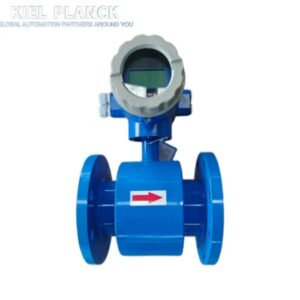
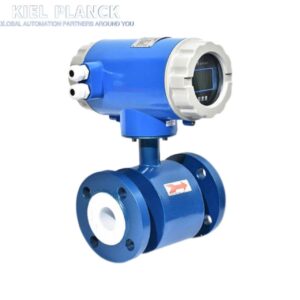
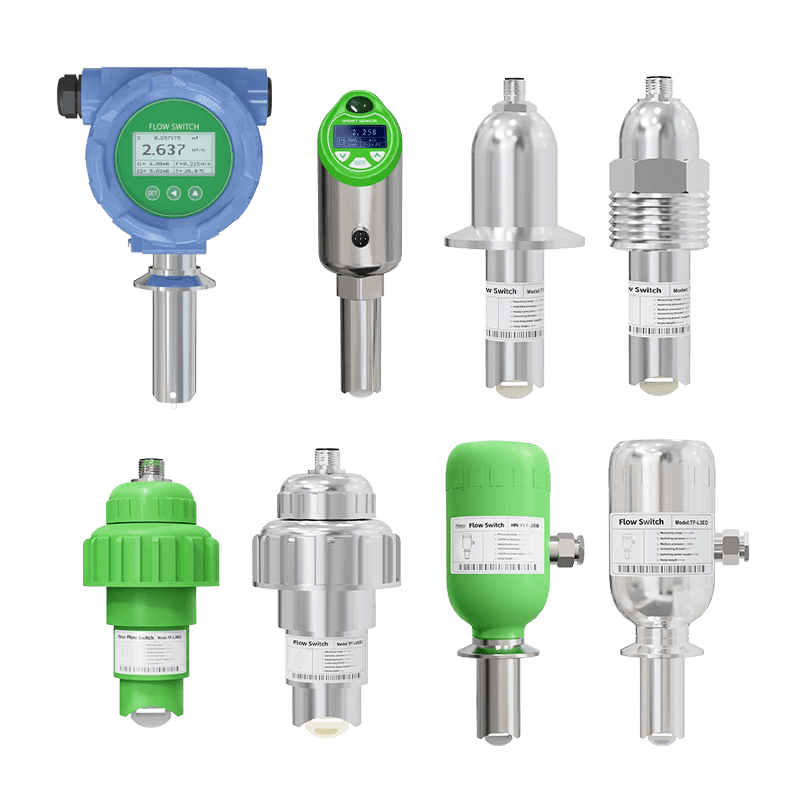
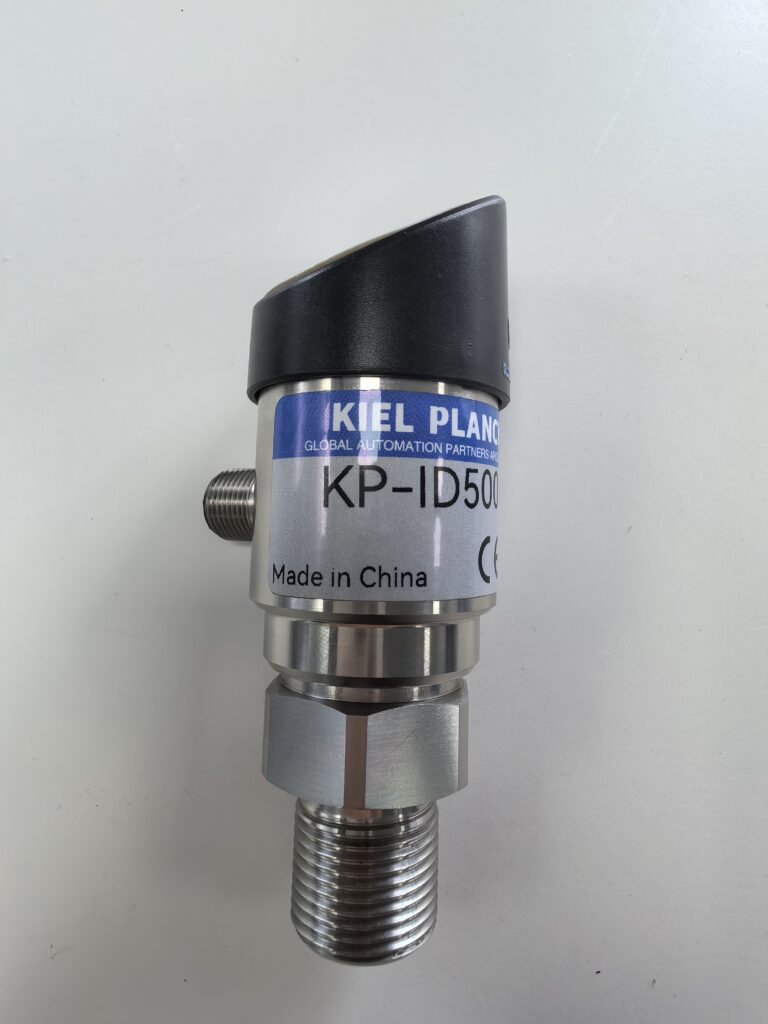
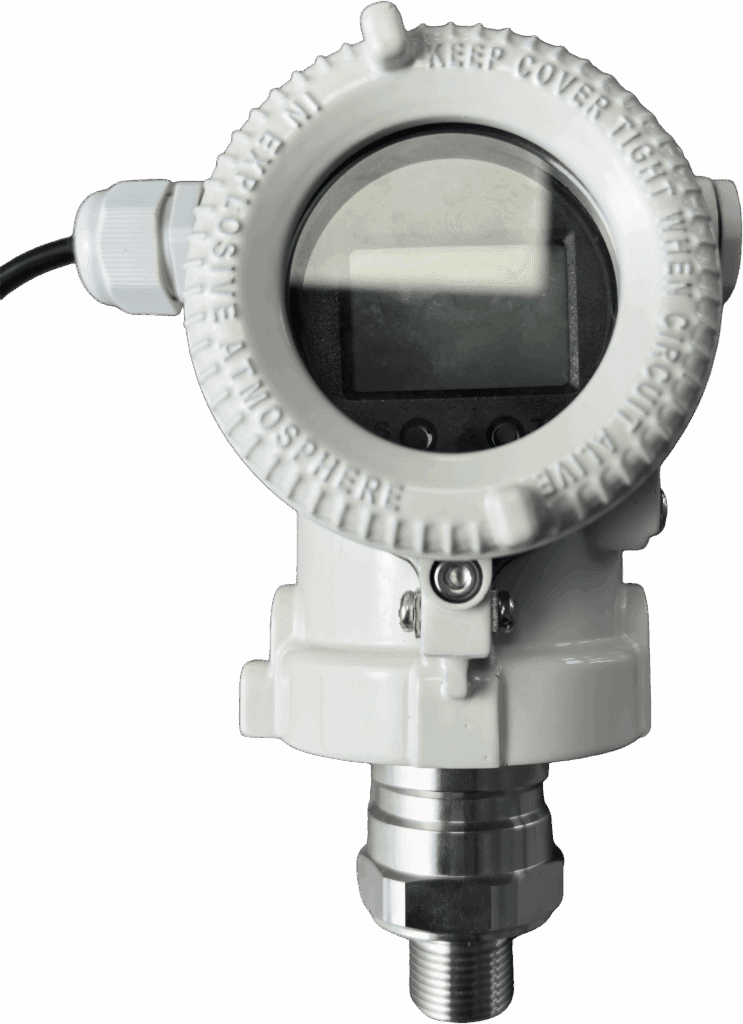
Intelligent pressure switches and pressure transmitters have distinct functional advantages and form a perfect complementary relationship in hydraulic protection circuits. The pressure transmitter is a high-precision sensing device, which can convert continuous pressure changes into standard 4-20mA analog signals, realizing full-range real-time pressure acquisition, dynamic data transmission and remote monitoring. It features high measurement accuracy, good stability and adjustable sampling frequency, which can accurately reflect subtle pressure changes in hydraulic circuits. The intelligent pressure switch integrates sensing, judgment and execution functions, with programmable overpressure and underpressure thresholds and fast response characteristics. Different from traditional mechanical switches, it supports real-time signal comparison and instantaneous linkage actions such as pressure relief valve opening and system shutdown, which can quickly cut off abnormal pressure risks at the first time. The cooperation of the two devices makes up for the defects of insufficient precision of single switch protection and poor execution ability of single transmitter monitoring.
3. Synergistic Working Mechanism of Protection Circuit
The synergistic pressure protection circuit builds a dual-protection working mode of “real-time monitoring + rapid execution”. In the normal operating state of the hydraulic system, the pressure transmitter continuously collects circuit pressure data and transmits it to the PLC control system to realize dynamic pressure display, data recording and closed-loop regulation, ensuring the system operates within the rated pressure range. When minor pressure deviation occurs, the control system adjusts the hydraulic output in real time based on transmitter data to eliminate abnormal fluctuations. Once the system pressure exceeds the preset safety threshold due to load mutation or equipment failure, the intelligent pressure switch instantly triggers the protection linkage mechanism, starts pressure relief or cuts off the power supply, and suppresses overpressure hazards. Meanwhile, the transmitter records the pressure mutation data before and after the fault, providing data support for subsequent fault analysis and parameter optimization.
4. Application Advantages and Engineering Practices
The collaborative application scheme effectively solves the common problems of traditional hydraulic protection circuits, including delayed response, low precision and insufficient safety redundancy. First, it realizes full-coverage pressure monitoring, covering both subtle pressure deviation regulation and extreme overpressure fault protection. Second, the dual-device verification mechanism avoids false protection and missing protection faults caused by single instrument failure, greatly improving system stability. Third, the programmable threshold of intelligent switches and the high-precision measurement of transmitters adapt to variable working conditions, realizing flexible and intelligent pressure protection. In the actual application of diaphragm compressor hydraulic circuits, this scheme effectively reduces equipment failure rates caused by pressure abnormalities, avoids frequent shutdowns and component damage, and significantly improves the continuous operation capacity of industrial equipment.
5. Conclusion
The synergistic application of intelligent pressure switches and pressure transmitters constructs a high-precision, high-safety and high-redundancy pressure protection mode for hydraulic systems. The transmitter realizes accurate and continuous pressure data monitoring and provides basis for fine control, while the intelligent pressure switch undertakes rapid fault judgment and emergency protection execution. The complementary working mechanism makes up for the functional defects of single monitoring and protection equipment, effectively improving the response speed, control accuracy and operation stability of hydraulic pressure protection circuits. In industrial engineering applications, this collaborative scheme can reliably resist pressure fluctuation and instantaneous overpressure risks, ensure the safe and stable operation of hydraulic systems and supporting mechanical equipment, and provide a reliable technical reference for the intelligent optimization of industrial fluid pressure protection systems.
Scan the QR code to receive more detailed information.