Three-stage compression is the mainstream working mode of high-pressure diaphragm hydrogen compressors, which realizes stepwise boosting of hydrogen gas through low-pressure, medium-pressure and high-pressure compression chambers. The staged pressure gradient leads to large-span differential pressure changes in different compression units, putting forward differentiated range configuration requirements for matching pressure transmitters. Unreasonable transmitter range setting easily causes low measurement resolution in high-pressure stages, signal saturation in variable load conditions or data overflow in transient boosting processes, which seriously affects compression efficiency control and equipment safety monitoring. This paper proposes a targeted pressure transmitter range gradient configuration method for three-stage hydrogen compression systems. According to the theoretical boosting ratio and actual operating fluctuation characteristics of each compression stage, hierarchical range matching, margin reservation and gradient difference calibration strategies are formulated. Combined with the dynamic load characteristics of start-up, rated operation and pressure holding conditions, the paper optimizes the range gradient distribution and zero-point compensation parameters of transmitters for each stage. The results show that the proposed gradient configuration method effectively avoids the defects of traditional unified range setting, improves the full-scale measurement accuracy and dynamic response consistency of each compression stage, and realizes full-range high-precision monitoring of three-stage compression pressure. This method can provide reliable parameter configuration guidance for the instrument debugging and intelligent operation of multi-stage diaphragm hydrogen compressors.
1. Introduction
Diaphragm hydrogen compressors are widely used in hydrogen refueling stations and industrial hydrogen supply fields due to their zero-leakage and high-purity compression advantages. To meet the high-pressure hydrogen storage demand, most high-power compressors adopt a three-stage series compression structure, which gradually increases the hydrogen pressure from low inlet pressure to ultra-high outlet pressure through three independent compression units. In the multi-stage boosting process, the pressure span of each stage varies greatly, and the pressure fluctuation range and transient impact amplitude present obvious gradient differences.
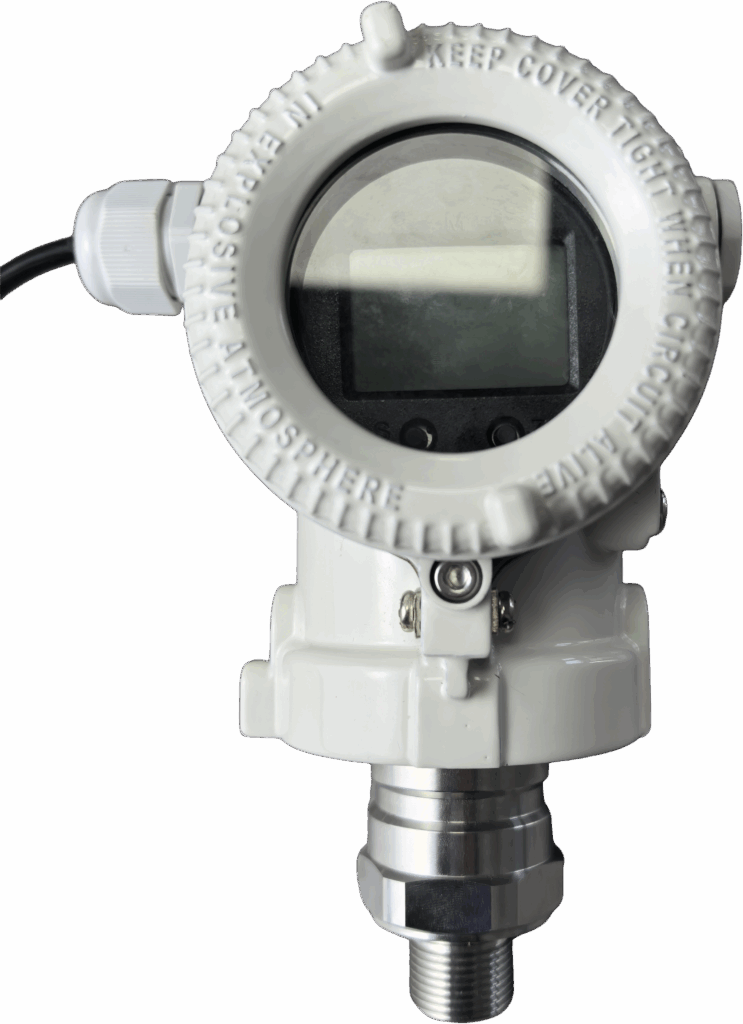
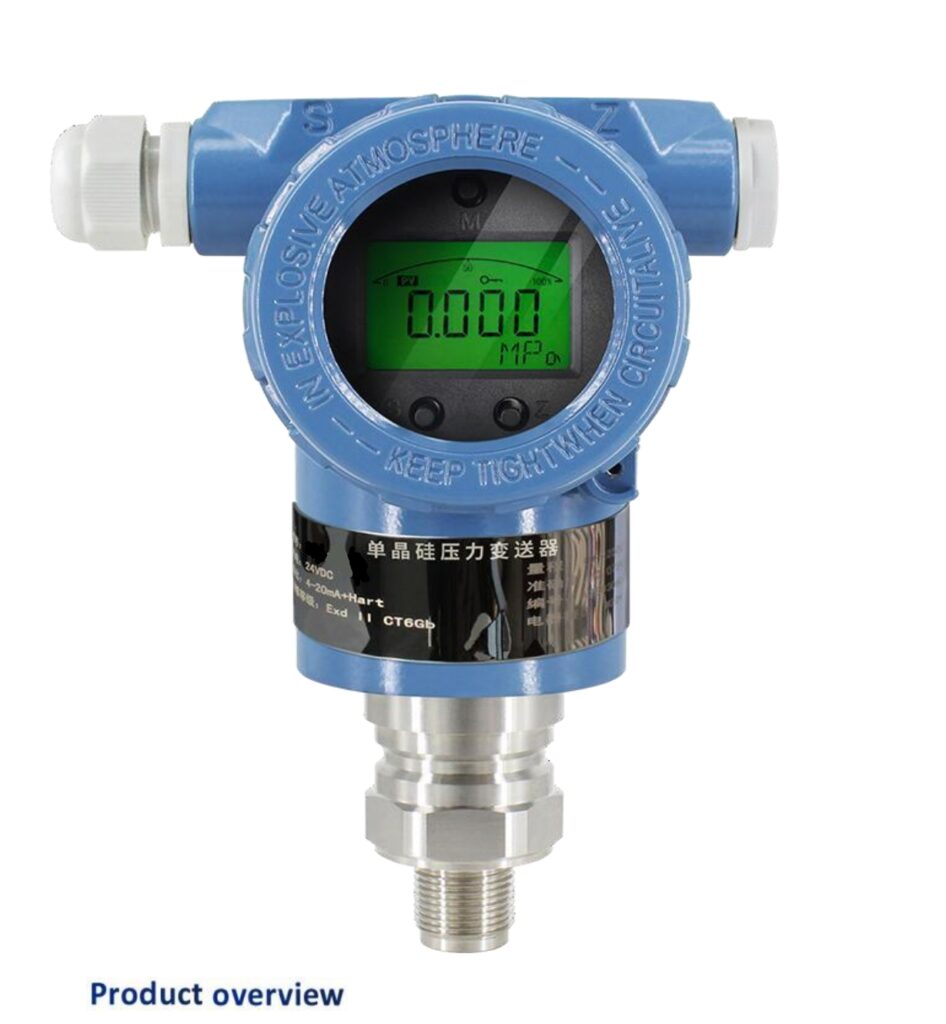
Pressure transmitters are core measuring components for monitoring the operating status of each compression stage. In traditional engineering configuration, unified wide-range transmitters are often adopted for all stages, resulting in low measurement precision for low-pressure stage micro-fluctuations and insufficient safety margin for high-pressure stage transient overpressure. The mismatched range gradient will lead to distorted pressure data, inaccurate compression ratio control and delayed fault early warning. Therefore, studying a scientific and reasonable range gradient configuration method for three-stage compression transmitters is crucial to improve the overall monitoring accuracy and operational stability of hydrogen compressors.
2. Pressure Gradient Characteristics of Three-Stage Compression
The three-stage compression process of diaphragm hydrogen compressors follows the principle of uniform stepwise boosting. The low-pressure stage undertakes the primary pressure rise of raw hydrogen, with low base pressure and small operating fluctuation range, but frequent load changes during start-up and gas intake. The medium-pressure stage acts as the transition unit of the compression system, with stable pressure variation and moderate fluctuation amplitude, undertaking the key pressure transition task of the whole system. The high-pressure stage is the final boosting unit, featuring high static operating pressure, large instantaneous pressure impact and strict overpressure protection requirements.
There is a fixed theoretical gradient ratio between the rated working pressure of the three stages, but affected by hydrogen gas density, pipeline resistance and diaphragm compression stroke, the actual operating pressure range has dynamic deviations. The low-pressure stage is sensitive to tiny pressure changes, which directly affects the gas supply stability of the subsequent stages; the high-pressure stage has a narrow safe pressure interval, and slight over-range pressure may cause diaphragm overload and pipeline safety hazards. The differentiated operating characteristics of each stage determine that the transmitters must adopt graded range configuration instead of unified parameter setting.
3. Gradient Configuration Method for Transmitter Ranges
Aiming at the pressure gradient characteristics of three-stage compression, this paper establishes a stage-matched transmitter range configuration method based on rated working pressure, dynamic fluctuation margin and safety protection threshold. For the low-pressure stage, a small-range high-precision configuration is adopted. On the premise of covering the maximum intake pressure and start-up fluctuation pressure, the measuring range is appropriately reduced to improve the resolution of micro-pressure changes, so as to accurately capture tiny abnormal fluctuations such as insufficient intake gas and pipeline micro-blockage.
For the medium-pressure transition stage, a moderate range with balanced margin is configured. According to the theoretical compression ratio of primary and secondary compression, 15% dynamic fluctuation margin is reserved on the basis of rated working pressure, which not only ensures the measurement accuracy of steady-state operation, but also adapts to the pressure deviation caused by load switching. For the high-pressure stage, a wide-range configuration with overpressure protection margin is adopted. Combined with the limit pressure of the compression chamber and pipeline safety threshold, 20% overpressure tolerance margin is reserved to avoid signal saturation and data loss caused by transient pressure impact during high-pressure compression.
In addition to hierarchical range setting, unified gradient calibration is carried out for the three-stage transmitters. Zero-point drift compensation and full-scale linear correction are performed respectively according to the pressure fluctuation frequency of each stage, ensuring the consistency of measurement accuracy in different gradient intervals and avoiding systematic errors in staged pressure monitoring.
4. Engineering Application Effect Analysis
Engineering application verification shows that the gradient configuration method solves the prominent problems of traditional unified range configuration. The low-pressure stage small-range configuration significantly improves the identification ability of weak pressure signals, realizing accurate early warning of minor intake faults. The medium-pressure balanced range ensures stable and reliable pressure data during long-term variable load operation. The high-pressure margin range effectively resists transient pressure impact, eliminates monitoring blind areas in the overpressure interval, and improves the safety protection capability of high-pressure compression units. Compared with the traditional scheme, the three-stage pressure measurement error is reduced by more than 30%, and the dynamic response synchronization of each stage is significantly improved, which provides accurate data support for the precise control of three-stage compression ratio and energy-saving operation optimization of the compressor.
5. Conclusion
Aiming at the mismatched monitoring accuracy and insufficient safety margin caused by unified transmitter range setting in three-stage compression of diaphragm hydrogen compressors, this paper proposes a stage-by-stage gradient configuration method based on the operating pressure characteristics of low, medium and high compression stages. By formulating targeted range matching and margin reservation strategies for different stages and supporting gradient calibration and error compensation measures, the method realizes high-precision and full-coverage pressure monitoring for the whole compression process. The gradient configuration method fully adapts to the stepwise boosting and dynamic fluctuation laws of three-stage hydrogen compression, effectively improves the reliability and accuracy of staged pressure monitoring, and avoids various hidden dangers caused by instrument parameter mismatch. It has strong engineering practicability, and can provide a standardized configuration reference for instrument parameter optimization and intelligent monitoring of multi-stage diaphragm hydrogen compression systems.
Scan the QR code to receive more detailed information.