Diaphragm rupture is one of the most common and dangerous faults of diaphragm hydrogen compressors, which may lead to hydrogen leakage, compression efficiency drop and even explosive safety accidents if not detected in time. Traditional fault diagnosis methods rely on regular manual inspection and post-fault alarm, featuring serious hysteresis and low recognition accuracy, which cannot meet the requirements of intelligent and safe operation of hydrogen compression equipment. Pressure transmitters can continuously capture real-time pressure fluctuation signals of the compression chamber, and subtle abnormal pressure characteristics are highly coupled with the early failure symptoms of diaphragm rupture. This paper proposes a novel diaphragm rupture early warning scheme based on high-precision pressure transmitter monitoring data. By analyzing the pressure difference fluctuation law, transient pressure peak deviation and periodic signal distortion characteristics in the compression process, the paper extracts early fault characteristic parameters of diaphragm micro-damage and rupture tendency. A threshold judgment and trend discrimination algorithm is constructed to realize graded early warning of latent faults and impending rupture faults. Engineering application results verify that the proposed scheme can effectively identify early abnormal signals that cannot be captured by traditional monitoring systems, with high fault recognition accuracy and fast response speed. It realizes advance early warning of diaphragm rupture faults, fills the gap of pre-fault prediction for compressor diaphragm failure, and provides reliable technical support for predictive maintenance and safe operation of diaphragm hydrogen compressors.
1. Introduction
Diaphragm hydrogen compressors are core equipment for high-purity hydrogen compression and supply, widely applied in hydrogen refueling stations, chemical hydrogen production and new energy storage industries. The metal diaphragm is a key vulnerable component of the compressor, which bears periodic high-frequency pressure impact and alternating stress during long-term operation. Affected by material fatigue, pressure overload, medium erosion and installation deviation, the diaphragm is prone to micro-crack initiation and gradual expansion, and eventually causes overall rupture failure.
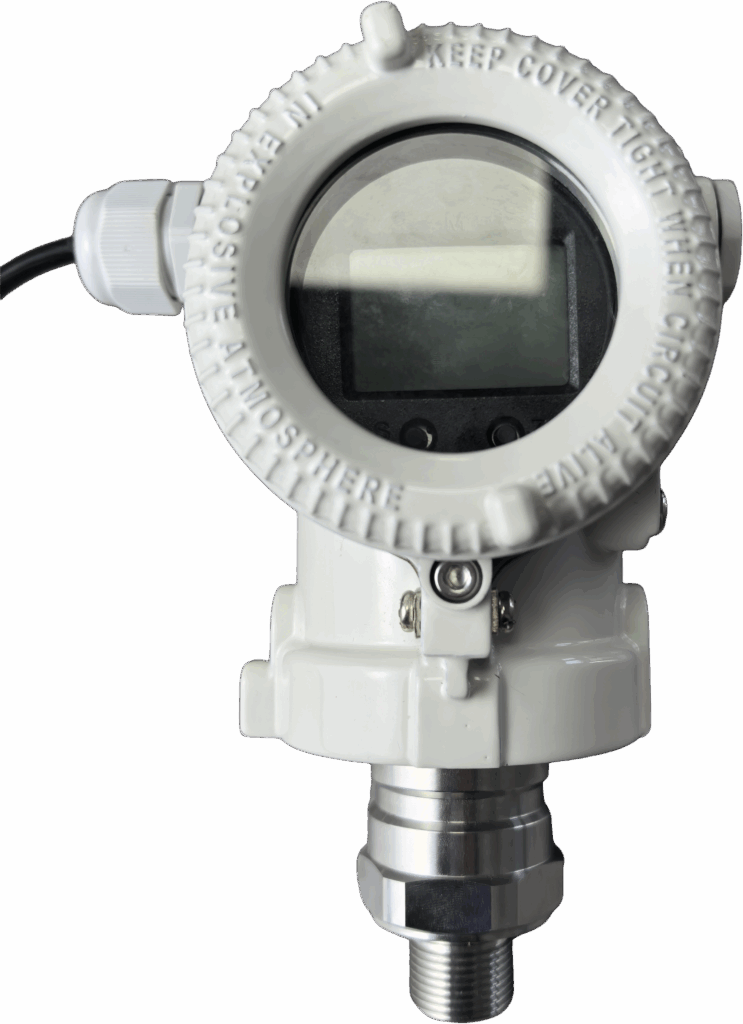
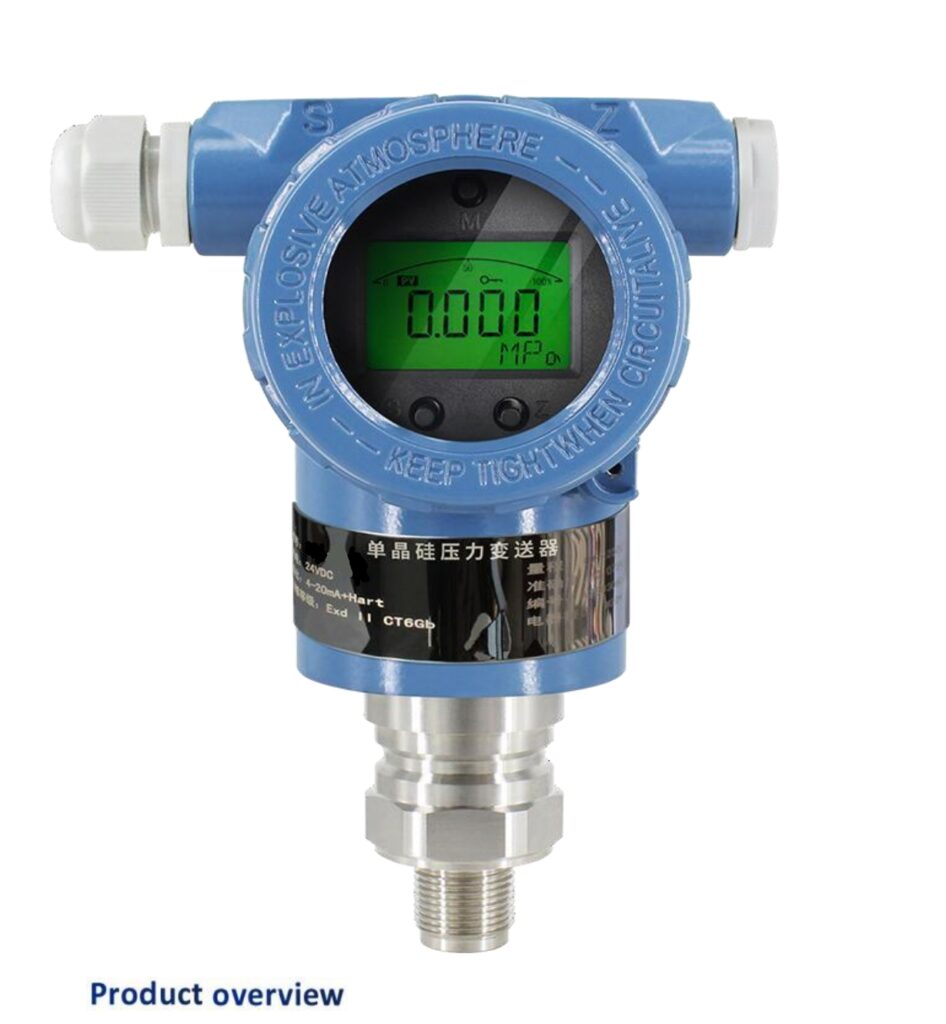
At present, most compressor monitoring systems only trigger protection after obvious pressure drop and leakage failure, lacking early warning capability for incipient diaphragm damage. The sudden rupture of the diaphragm will cause the mixing of lubricating oil and hydrogen medium, equipment shutdown and hydrogen leakage risks, bringing huge economic losses and potential safety hazards to industrial production. Pressure transmitters, as real-time monitoring sensors of compression chamber pressure, can record subtle dynamic pressure changes in the compression cycle. Mining fault characteristics from pressure monitoring data to build an early warning scheme is an effective way to realize advance prediction of diaphragm rupture faults, which has important engineering application value.
2. Fault Mechanism and Pressure Signal Characteristics of Diaphragm Rupture
The working principle of the diaphragm compressor relies on the elastic deformation of the metal diaphragm to realize hydrogen gas compression and delivery. Under normal operating conditions, the compression chamber pressure presents stable periodic fluctuation, with regular peak value and consistent fluctuation cycle. When the diaphragm produces micro-cracks and early damage, the tightness of the compression cavity decreases slightly, resulting in tiny pressure leakage during the compression stroke. This subtle leakage will cause the transient pressure peak of each compression cycle to decrease slightly, and the pressure rise rate becomes slower than the normal state.
With the continuous expansion of diaphragm cracks, the pressure fluctuation regularity is further destroyed, showing unstable pressure difference between inlet and outlet, increased signal jitter and obvious attenuation of pressure peak value. In the late stage of fault development, large-area rupture of the diaphragm will lead to sharp pressure drop and complete failure of compression function. Different from sudden mechanical faults, diaphragm rupture is a gradual deterioration process, and the whole fault evolution process has obvious traceable pressure signal characteristics, which provides a data basis for early warning based on transmitter monitoring data.
3. Design of Diaphragm Rupture Early Warning Scheme
Based on the corresponding relationship between pressure signal mutation and diaphragm fault deterioration, this paper constructs a multi-dimensional early warning scheme integrating characteristic parameter extraction, threshold judgment and trend analysis. Firstly, high-precision pressure transmitters are used to collect full-cycle dynamic pressure data of the compression chamber, and data preprocessing such as noise filtering and signal stabilization is carried out to eliminate interference of mechanical vibration and environmental noise.
Secondly, three core characteristic parameters are extracted: real-time compression pressure peak, pressure fluctuation cycle and pressure difference change rate. By comparing the real-time operating data with the standard database of normal working conditions, the subtle deviation of pressure parameters is quantified. The scheme sets two-level early warning thresholds: the first level is latent fault early warning for diaphragm micro-damage, which is triggered when the pressure peak deviation exceeds 3% and the fluctuation cycle is slightly distorted; the second level is impending fault early warning for severe crack expansion, which is triggered when the parameter deviation reaches 8% and the pressure difference drops rapidly.
In addition to static threshold judgment, the scheme introduces trend analysis algorithm to monitor the continuous deterioration trend of pressure parameters, avoiding missed judgment of intermittent early faults caused by accidental signal fluctuation. The system can automatically record fault characteristic data, form early warning reports, and remind maintenance personnel to carry out targeted inspection and replacement, realizing transition from post-fault protection to pre-fault early warning.
4. Engineering Verification and Performance Analysis
The proposed early warning scheme is applied to a three-stage diaphragm hydrogen compressor for experimental verification. The test results show that the scheme can accurately capture the subtle pressure signal changes in the early stage of diaphragm micro-crack generation, and realize effective early warning 3 to 5 days before the occurrence of macroscopic rupture fault. Compared with the traditional single pressure over-limit alarm mode, the new scheme improves the early fault recognition rate by more than 85%, and effectively avoids false alarm and missing alarm problems caused by single parameter judgment. It can adapt to the pressure fluctuation interference under variable load and start-stop working conditions, with strong anti-interference ability and stable operation performance.
5. Conclusion
Aiming at the problems of late alarm and unrecognizable early faults in traditional diaphragm rupture monitoring of diaphragm hydrogen compressors, this paper constructs a practical early warning scheme based on pressure transmitter real-time monitoring data. By analyzing the pressure signal evolution law in the process of diaphragm fault deterioration, multi-dimensional fault characteristic parameters and graded early warning thresholds are established, which realizes accurate identification and advance prediction of incipient diaphragm damage and impending rupture faults. The scheme makes full use of existing monitoring sensor resources, with low transformation cost and high engineering practicability. It effectively solves the hysteresis problem of traditional fault protection, improves the level of intelligent predictive maintenance of diaphragm compressors, reduces equipment failure rate and hydrogen safety risks, and provides a new reference for fault early warning and safe operation optimization of hydrogen compression equipment.
Scan the QR code to receive more detailed information.