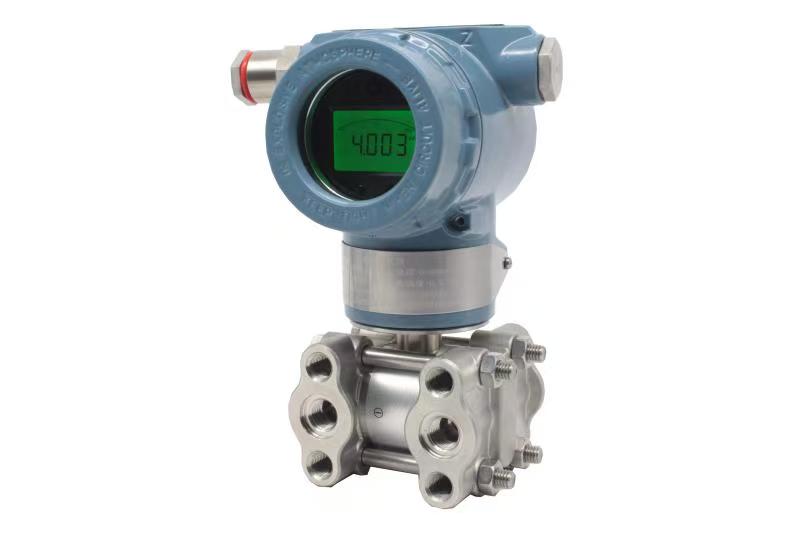
This paper analyzes the medium characteristics of wastewater, steam and high-purity gases respectively, summarizes the key selection criteria of differential pressure transmitters for different scenarios, and clarifies the core selection differences in anti-corrosion performance, high-temperature resistance, cleanliness and structural design. The research aims to provide practical guidance for industrial practitioners to select matched transmitters, reduce measurement errors and equipment failure risks, and ensure stable and efficient operation of industrial measurement systems.
1. Introduction
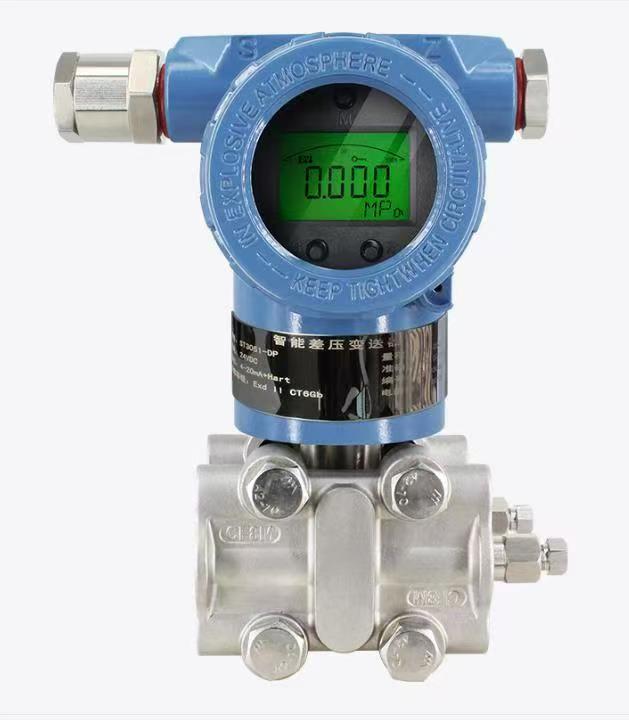
As a key component of industrial automation control systems, differential pressure transmitters convert differential pressure changes of process media into standard electrical signals for liquid level, flow and pressure monitoring. In actual industrial production, medium characteristics are the primary factor restricting transmitter selection. Wastewater contains impurities and corrosive components, steam features high temperature and high pressure, and high-purity gases require ultra-clean and pollution-free measurement conditions. Improper selection will lead to sensor damage, data deviation and even system shutdown. Therefore, targeted selection based on medium attributes is essential to maximize the performance of differential pressure transmitters.
2. Transmitter Selection for Typical Industrial Media
2.1 Selection for Wastewater Medium
Industrial and domestic wastewater is characterized by complex components, suspended particles, viscous sediments and mild to moderate corrosiveness, posing risks of blockage, wear and chemical corrosion to transmitters. The core selection principle is anti-blocking and anti-corrosion performance. Firstly, in terms of structural design, flush diaphragm transmitters are preferred to avoid dead corners where impurities accumulate, which can effectively prevent sludge and suspended solids from blocking the pressure guiding hole. Secondly, for wetted parts materials, 316L stainless steel is suitable for ordinary domestic wastewater, while Hastelloy or tantalum alloy materials are required for industrial wastewater containing acid, alkali and salt corrosive components to enhance corrosion resistance. In addition, wastewater measurement has low requirements for precision, and transmitters with a precision of 0.5% FS can meet operational needs. It is also necessary to select devices with dust-proof and water-proof grades above IP67 to adapt to harsh on-site environments.
2.2 Selection for Steam Medium
Steam is a high-temperature and high-pressure medium, and its high-temperature heat radiation and pressure impact are the main challenges for transmitter application. The key selection indicators are high-temperature resistance and pressure resistance. Ordinary transmitters are prone to internal filling liquid vaporization and sensor failure under high-temperature steam conditions, so high-temperature customized differential pressure transmitters must be adopted, with a working temperature range covering 200℃ to 400℃. To isolate high-temperature steam and protect the sensor, a pressure guiding tube or condensate buffer device is essential to cool the steam and avoid direct contact between high-temperature medium and the diaphragm. In terms of pressure resistance, the transmitter’s static pressure rating must be higher than the maximum working pressure of the steam system to withstand instantaneous pressure fluctuations. Moreover, steam measurement scenarios such as boiler operation require high stability, so transmitters with anti-vibration design and long-term drift resistance should be prioritized.
2.3 Selection for High-Purity Gases
High-purity gases such as high-purity nitrogen, argon and semiconductor special gases are widely used in pharmaceutical, semiconductor and precision manufacturing industries. Their core feature is extreme sensitivity to pollution, and any impurity or surface roughness will affect gas purity and product quality. Thus, cleanliness and zero-pollution are the primary selection standards. The wetted surface of the transmitter needs electrolytic polishing treatment to achieve ultra-low roughness, preventing particle adsorption and gas contamination. The whole structure adopts dead-leg-free design and flange flush mounting to avoid residual gas accumulation. In addition, high-purity gas measurement requires ultra-high measurement precision, and transmitters with a precision of 0.1% FS or higher are needed. Meanwhile, the sealing materials must adopt high-purity PTFE or fluororubber with no volatile substances to ensure no chemical reaction with the gas medium.
3. Core Selection Differences of Three Media
There are significant differences in the focus of transmitter selection for the three media. Wastewater scenarios focus on anti-blocking, anti-corrosion and environmental adaptability, with low requirements for precision and surface cleanliness. Steam scenarios take high-temperature resistance, pressure resistance and anti-vibration performance as the core to adapt to extreme temperature and pressure working conditions. High-purity gas scenarios prioritize ultra-clean structure, pollution-free materials and high measurement precision, with strict requirements on surface treatment and structural details. In terms of cost, wastewater transmitters are the most cost-effective, steam transmitters are moderately priced due to high-temperature and pressure-resistant design, and high-purity gas transmitters have the highest cost owing to ultra-precision processing and high-purity materials.
4. Conclusion
Medium characteristics determine the selection scheme of differential pressure transmitters, and targeted selection based on the physical and chemical properties of wastewater, steam and high-purity gases is the key to ensure reliable measurement. Wastewater measurement focuses on anti-corrosion and anti-blocking, steam measurement emphasizes high temperature and pressure resistance, while high-purity gas measurement takes cleanliness and high precision as the core requirements. In industrial practical application, on-site working conditions such as temperature, pressure and medium composition should be comprehensively considered on the basis of medium attributes to select the most matched transmitter model. Scientific and reasonable selection can effectively reduce equipment failure rate, improve measurement accuracy, and provide reliable data support for the stable operation of industrial process control systems.
Scan the QR code to receive more detailed information.