Boiler furnace negative pressure is a critical parameter for ensuring the safe, stable and efficient operation of thermal power and industrial boiler systems. The negative pressure transmitter serves as the core monitoring device, whose installation quality and commissioning accuracy directly determine the authenticity of operating data and the safety of boiler combustion. Improper installation is likely to cause air leakage, signal attenuation and vibration interference, while non-standard commissioning will lead to measurement deviation and false alarm faults. This paper systematically expounds the key technical points of the whole-process installation and commissioning of boiler furnace negative pressure transmitters, covering pre-installation inspection, standardized installation specifications, on-site commissioning steps and daily calibration key points. It also summarizes common faults and optimization countermeasures in construction and debugging. The study aims to provide standardized operational guidance for field engineering personnel, effectively improve the measurement accuracy and operational stability of furnace negative pressure systems, and avoid safety accidents caused by abnormal pressure monitoring.
1. Introduction
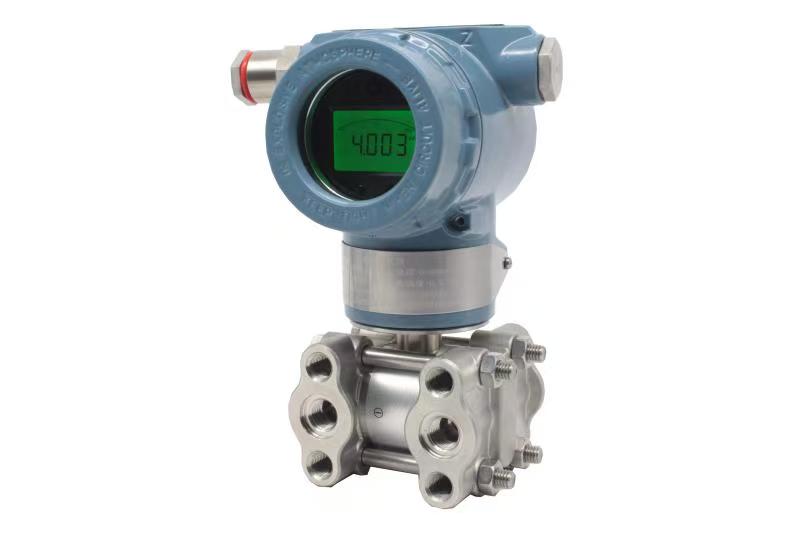
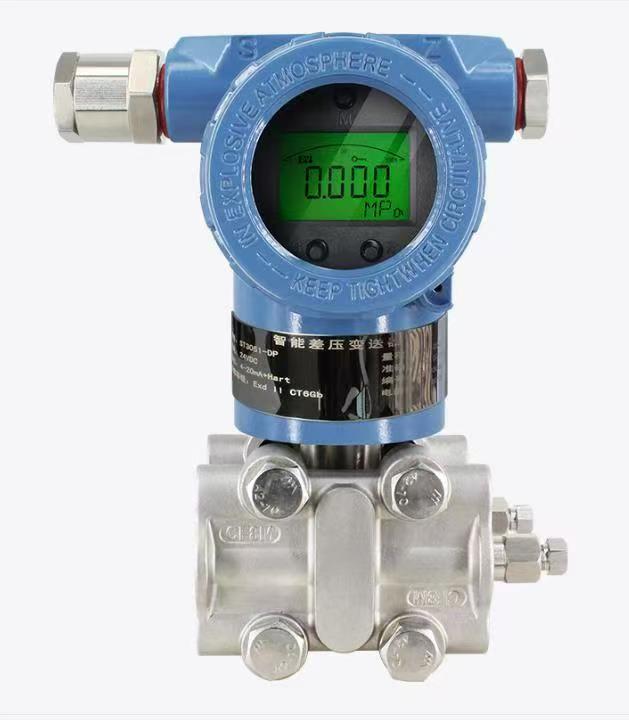
In boiler operation, stable furnace negative pressure can prevent high-temperature flue gas and flame from overflowing, reduce heat loss, and avoid external cold air from infiltrating the furnace to affect combustion efficiency. As a special differential pressure measuring device, the furnace negative pressure transmitter accurately captures tiny pressure changes in the furnace and converts pressure signals into standard electrical signals for real-time monitoring by the distributed control system (DCS). Different from ordinary pressure transmitters, it works in high-temperature, dusty and strong-vibration boiler environments, which puts forward higher requirements for installation firmness, tightness and commissioning precision. Scientific installation and standardized commissioning are the prerequisites to ensure long-term stable operation of the transmitter and reliable monitoring of furnace negative pressure.
2. Key Installation Specifications of Negative Pressure Transmitters
The installation of boiler furnace negative pressure transmitters follows the principle of anti-vibration, anti-blocking, airtight and high-temperature protection, and the whole process is divided into pre-installation inspection and on-site construction standards. Pre-installation inspection is the foundation of stable operation. It is necessary to check the transmitter’s measuring range, accuracy grade and pressure resistance parameters to ensure they match the boiler’s design negative pressure range, generally ranging from -1000 Pa to 0 Pa. Meanwhile, inspect the integrity of the pressure guiding pipe, sealing fittings and fixing supports, and eliminate defective parts such as cracked pipelines and aging gaskets.
In terms of on-site installation, the pressure taking point should be selected on the stable wall of the furnace flue, avoiding flame zones, smoke corners and vibration-intensive parts to prevent fluctuating pressure signals and pipeline blockage caused by dust accumulation. The pressure guiding pipe should adopt a gradient layout with a slope of 1:10 to prevent condensed water and dust from depositing in the pipe and blocking the pressure channel. The transmitter body cannot be directly installed on the boiler body with severe vibration; instead, it should be fixed on an independent support to reduce mechanical vibration interference. In addition, all pipe connections must be fully sealed to prevent air leakage, which is the main cause of higher-than-normal measured negative pressure. For high-temperature flue gas environments, heat insulation and protection measures should be added to avoid long-term high-temperature baking affecting sensor precision.
3. Core Commissioning and Calibration Key Points
Commissioning is the core link to eliminate installation errors and ensure measurement accuracy, mainly including zero calibration, range debugging and signal verification. After the installation is completed and before the boiler is started, static zero calibration must be carried out. Open the pressure guiding pipeline to connect with atmospheric pressure, adjust the transmitter’s zero point to eliminate zero drift caused by installation stress and pipeline stress, and ensure the output signal is consistent with the standard atmospheric pressure value.
Range commissioning needs to be carried out in combination with the boiler’s actual operating parameters. Input the designed upper and lower limit values of furnace negative pressure into the transmitter and DCS system respectively to complete one-to-one matching of pressure values and electrical signals. After debugging, simulate negative pressure changes with a standard pressure calibrator to verify the linearity of the transmitter output signal, and ensure the measurement error is controlled within ±0.5% FS. In addition, after the boiler is put into trial operation, dynamic debugging is required. Observe the real-time negative pressure fluctuation data, eliminate signal delay and distortion caused by unsmooth pressure guiding pipes, and confirm that the transmitter can respond sensitively to furnace pressure changes during boiler start-up, load switching and shutdown.
4. Common Problems and Optimization Measures
In actual operation, common faults include inaccurate zero point, slow signal response and data fluctuation. Zero drift is mostly caused by incomplete static calibration or pipeline air leakage, which can be solved by re-sealing the pipeline and re-calibrating the zero point under static conditions. Slow signal response is usually due to dust and condensed water blockage in the pressure guiding pipe, requiring regular blowing and cleaning of the pipeline. Data fluctuation is mainly affected by on-site vibration and unreasonable pressure taking point layout, which can be optimized by adjusting the installation position and adding vibration damping gaskets.
5. Conclusion
The installation and commissioning of boiler furnace negative pressure transmitters are systematic and standardized technical work, whose quality directly affects boiler combustion safety and automatic control accuracy. Standardized installation focusing on airtightness, anti-vibration and anti-blocking can eliminate most on-site interference factors, while scientific and rigorous commissioning and calibration can ensure the accuracy and sensitivity of measurement signals. In daily engineering work, personnel should strictly follow technical specifications, standardize each operation link from installation layout to commissioning verification, and regularly carry out maintenance and calibration. Effective implementation of installation and commissioning key points can significantly reduce equipment failure rate, ensure stable and accurate monitoring of furnace negative pressure, and provide solid technical support for the safe and energy-saving operation of boiler systems.
Scan the QR code to receive more detailed information.