This article elaborates on the performance characteristics of common vortex street meter materials, analyzes the corrosion and wear mechanisms of different industrial media, and puts forward scientific material selection principles for water, steam, oil, corrosive gas and chemical liquid working conditions. Standardized material selection can effectively improve the environmental adaptability of vortex meters, reduce maintenance costs, and ensure long-term accurate and reliable flow measurement in complex industrial scenarios.
1. Introduction
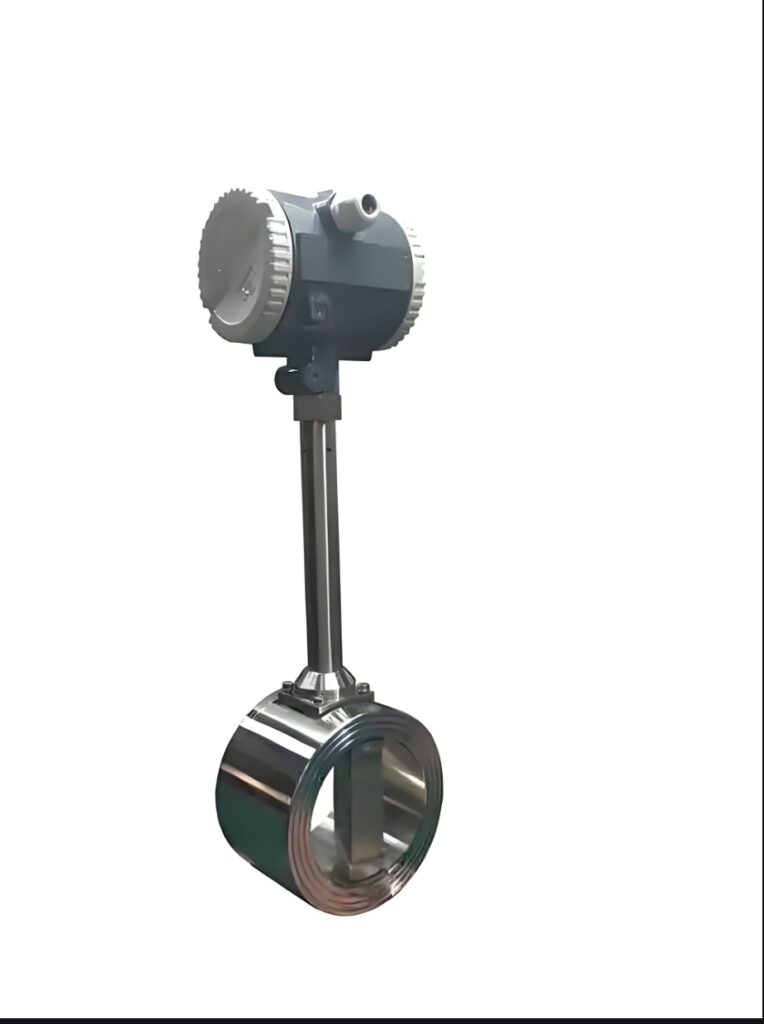
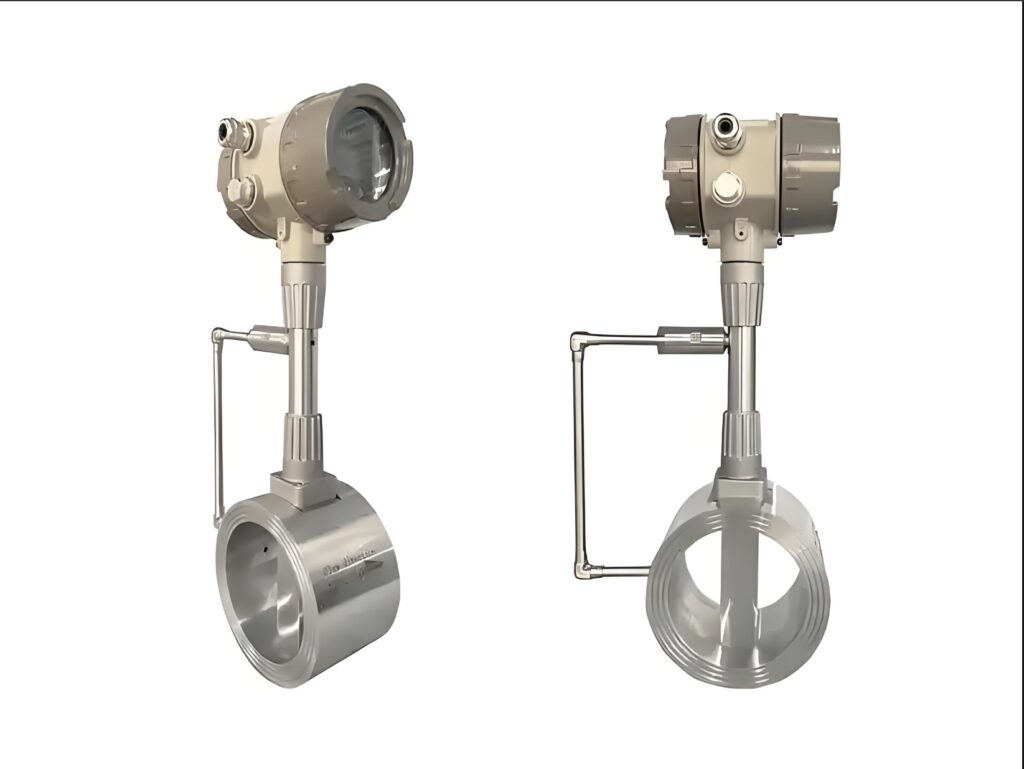
The core measuring components of a vortex flow meter include the bluff body vortex generator, sensor probe, and pipeline shell, which are in direct and long-term contact with process media. Different industrial media have distinct physical and chemical properties, including acidity and alkalinity, corrosivity, viscosity, temperature and pressure. Ordinary carbon steel or stainless steel materials may fail rapidly in harsh medium environments. For industrial production, material selection is not only the basis to guarantee measurement accuracy, but also a key link to ensure production safety and reduce equipment replacement frequency. Therefore, it is necessary to select matching vortex street meter materials according to medium characteristics, working temperature and pressure, so as to adapt to diversified industrial measurement scenarios.
2. Performance of Common Vortex Street Meter Materials
Industrial vortex flow meters are mainly made of carbon steel, 304 stainless steel, 316L stainless steel, and special anti-corrosion alloys. Carbon steel features low cost and high mechanical strength, suitable for conventional clean media with low corrosion. However, it is prone to rust and oxidation in humid and slightly corrosive environments. 304 stainless steel is the most versatile material, with excellent rust resistance and weak corrosion resistance, applicable to most conventional gas and liquid media. 316L stainless steel has upgraded acid and alkali corrosion resistance and high-temperature stability, effectively resisting chloride ion erosion and weak acid corrosion. For strong corrosive media, Hastelloy and titanium alloy are adopted, which have ultra-strong chemical stability but higher procurement costs, suitable for high-end chemical and pharmaceutical scenarios.
3. Material Selection for Typical Industrial Media
For conventional clean media including industrial water, circulating water, compressed air and saturated steam, 304 stainless steel is the preferred material. These media have no strong corrosivity and stable physical properties, and 304 stainless steel can fully meet the long-term operational requirements with high cost performance. Carbon steel shells can be used for low-demand water pipeline measurement to further control costs.
For oil media such as crude oil, diesel oil and lubricating oil, 304 or 316L stainless steel is applicable. Oil media have certain viscosity and contain tiny impurities, requiring materials with good wear resistance and oxidation resistance. 316L stainless steel is more suitable for crude oil containing trace sulfide and chloride ions to avoid local pitting corrosion.
For corrosive media including chemical acid-base liquid, salt water and chlorine-containing gas, 316L stainless steel or special alloy materials must be selected. Salt water and chloride gas easily cause pitting corrosion on ordinary stainless steel, while 316L can effectively resist such erosion. For strong acid and strong alkali media such as sulfuric acid and caustic soda, Hastelloy or titanium alloy materials are required to prevent component corrosion and failure.
For high-temperature superheated steam working conditions, high-temperature resistant 316L stainless steel is recommended. It maintains stable mechanical properties and chemical inertia under high temperature and high pressure, avoiding thermal deformation and oxidation of the vortex generator, and ensuring stable vortex shedding and accurate measurement.
4. Basic Principles of Material Selection
The material selection of vortex street meters should follow three core principles. First, medium adaptability priority, select materials according to the medium’s corrosivity, viscosity and impurity characteristics to avoid chemical reaction and physical wear. Second, working condition matching, take temperature and pressure into consideration, and select high-strength and high-temperature resistant materials for extreme working conditions. Third, cost optimization, balance performance and economy, adopt conventional stainless steel for ordinary scenarios and special alloy materials only for harsh corrosive environments to avoid waste of resources.
5. Conclusion
Material selection is a key factor determining the service performance and service life of vortex flow meters. Different media have different physical and chemical erosion characteristics, and matched materials can effectively avoid corrosion, wear and structural failure of measuring components. Conventional clean water, gas and steam adapt to 304 stainless steel, oil and slightly corrosive media apply to 316L stainless steel, while strong corrosive chemical media need special anti-corrosion alloys. Scientific and reasonable material selection can maximize the measurement stability and environmental adaptability of vortex street instruments, reduce later maintenance and replacement costs, and provide reliable guarantee for long-term stable operation of industrial flow measurement systems.
Scan the QR code to receive more detailed information.