This technology realizes real-time pressure monitoring, dynamic adjustment, and abnormal fault early warning of water supply pipelines through intelligent sensors, automatic control systems and big data analysis. This paper discusses the practical significance of intelligent pipeline pressure control for water resource conservation and safe water supply, analyzes its working mechanism, core technical advantages, main application scenarios and existing practical challenges. It also puts forward targeted optimization strategies, aiming to provide technical references for municipal water supply enterprises to realize refined, efficient and intelligent water pipeline operation and maintenance management.
1. Introduction
Stable and reliable water supply is a basic guarantee for urban residents’ life and industrial production. As urban scale continues to expand, water supply pipeline networks present the characteristics of large coverage, complex laying routes and long service life. Most traditional water supply systems adopt fixed-pressure operation modes, which cannot adapt to dynamic changes in water consumption peaks and valleys. Excess pipeline pressure during low water consumption periods easily causes pipeline fatigue, leakage and even pipe bursts, while insufficient pressure during peak periods leads to insufficient water supply for users. In addition, manual patrol and pressure adjustment cannot timely perceive hidden dangers of pipeline operation, resulting in high water leakage rate and high operation and maintenance costs. Smart pipeline pressure control breaks through the limitations of traditional management modes, realizing full-time, full-range and precise control of pipeline pressure, and has become an indispensable core technology for modern smart water city construction.
2. Significance of Smart Pipeline Pressure Control
Intelligent pressure control fundamentally solves the pain points of traditional water pipeline operation management. First, it effectively reduces water resource waste. Excessive pipeline pressure is the main cause of micro-leakage and aging damage of pipelines. Real-time dynamic pressure adjustment can maintain the pipeline pressure within a safe and efficient range, greatly reducing the water leakage rate of the pipe network and improving the utilization rate of water resources. Second, it improves the safety and stability of water supply. The system can quickly perceive abnormal pressure fluctuations caused by pipeline blockage, leakage and damage, trigger early warnings in time, and avoid large-scale water supply interruption and urban waterlogging accidents caused by pipe bursts.
Moreover, smart pressure control reduces manual operation and maintenance costs. The automatic monitoring and adjustment system replaces frequent manual inspection and pressure regulation work, realizing unmanned intelligent management of pipeline networks. Meanwhile, stable pipeline pressure can slow down the aging speed of pipeline equipment, extend the service life of water supply facilities, and reduce the economic loss caused by equipment replacement and accident maintenance for water supply enterprises.
3. Core Working Principles and Key Technologies
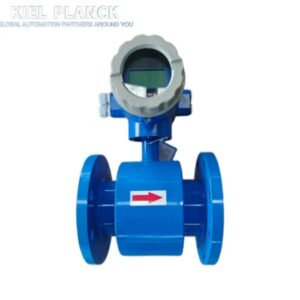
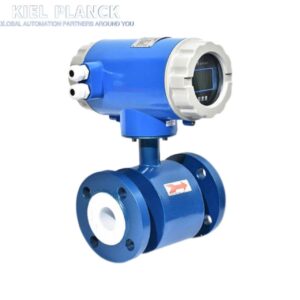
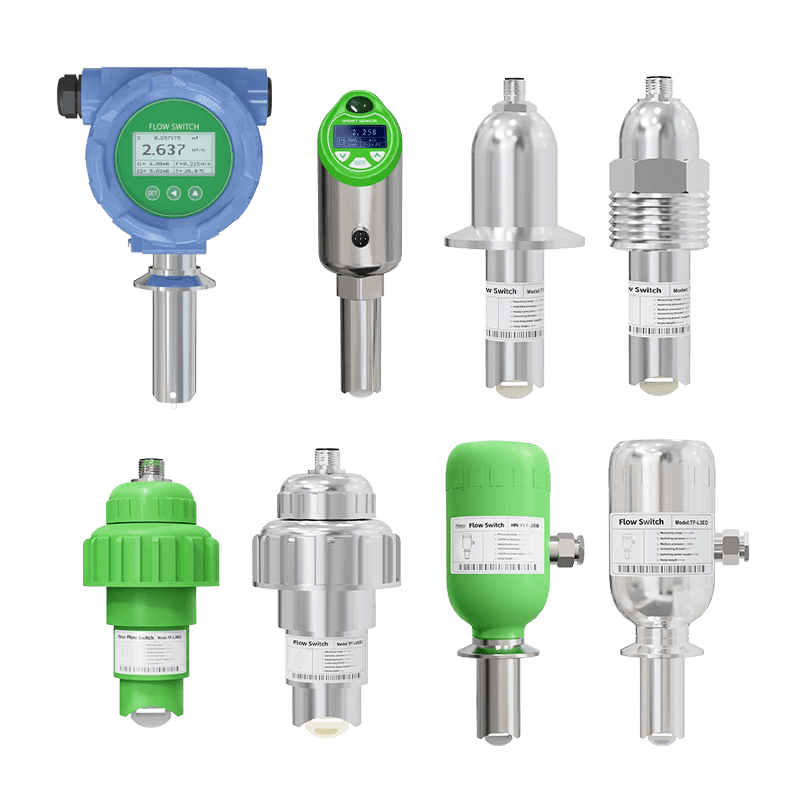
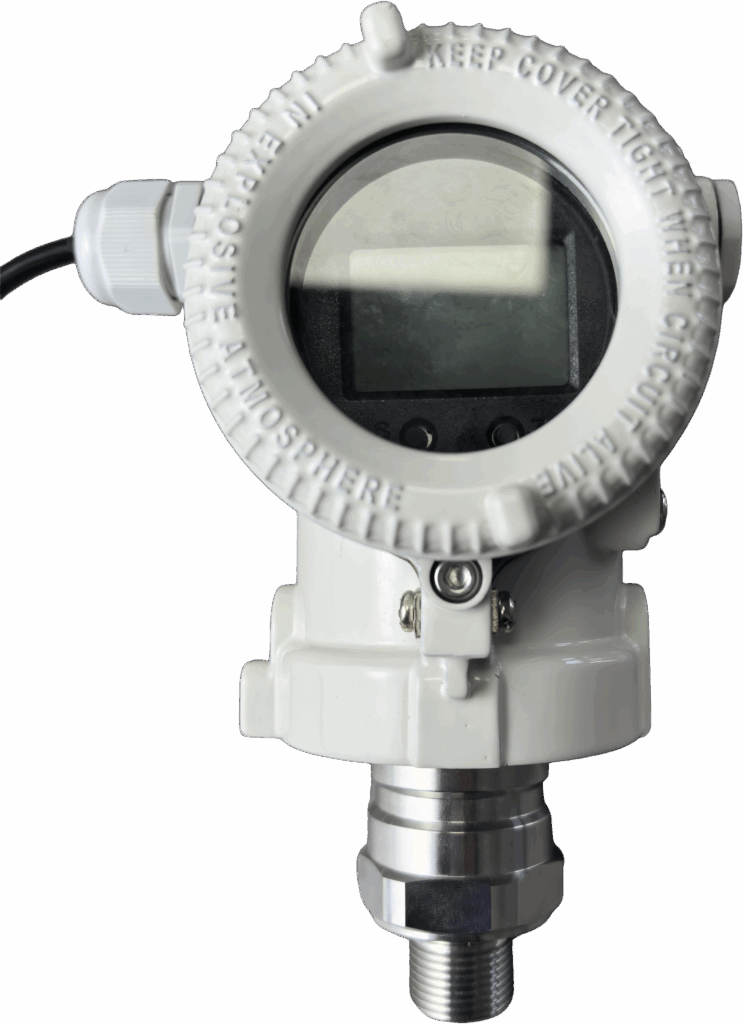
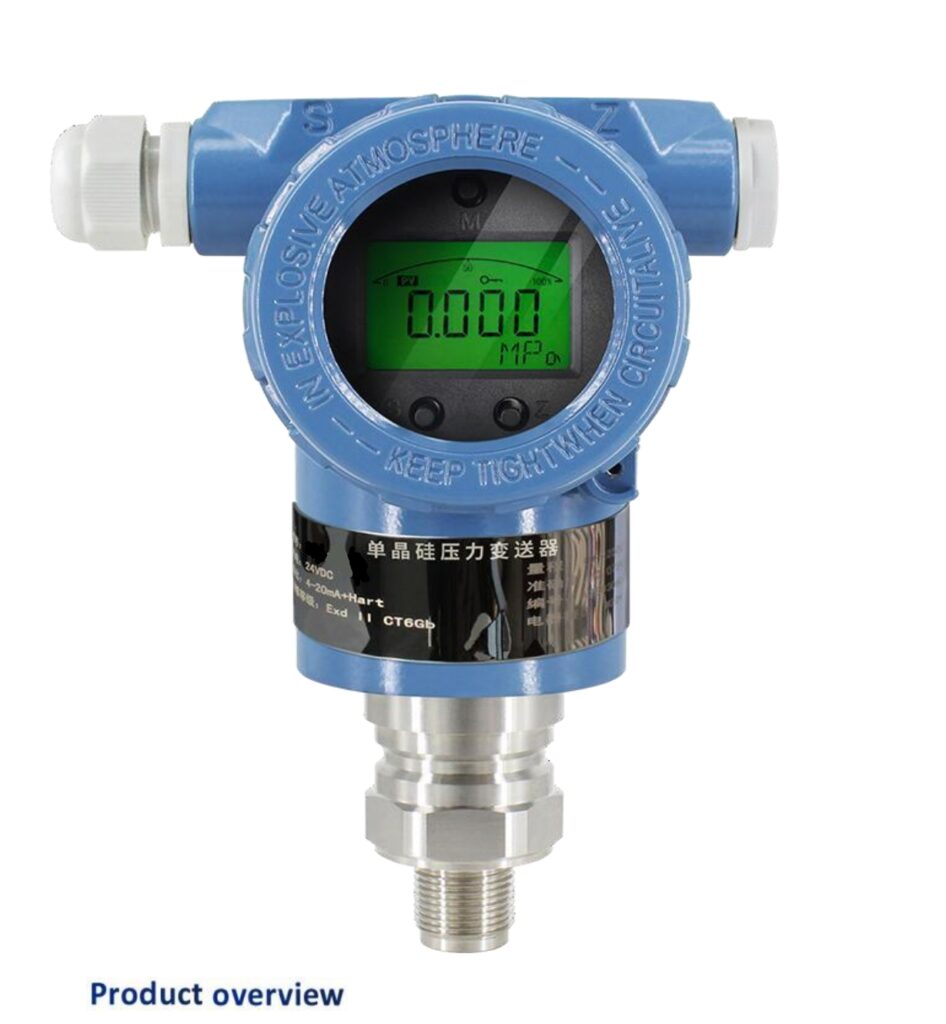
The smart pipeline pressure control system is mainly composed of intelligent pressure sensors, data transmission modules, cloud analysis platforms and automatic pressure regulation equipment. High-precision sensors are deployed at key nodes of the water supply pipe network to collect real-time pressure data of the pipeline. The collected data is transmitted to the cloud platform through wireless communication technology. The big data analysis system combines historical water consumption data, time periods, seasonal changes and user water demand characteristics to build a dynamic pressure regulation model.
When the system detects that the pipeline pressure is higher or lower than the preset safe threshold, it will automatically issue instructions to adjust the operating parameters of pressure regulating valves and water supply pumps, so as to realize real-time dynamic balance of pipeline pressure. In addition, the system has intelligent fault diagnosis function, which can automatically locate abnormal pipeline sections, form operation analysis reports, and provide data support for staff’s precise maintenance and pipe network renovation.
4. Practical Application and Management Points
Smart pipeline pressure control technology is widely applicable to urban municipal water supply pipe networks, residential community water supply systems, industrial circulating water pipelines and rural centralized water supply projects. In actual deployment, sensor monitoring points should be reasonably arranged at main pipelines, branch pipe junctions and user terminal nodes to ensure comprehensive coverage of pipe network pressure monitoring. Enterprises need to set differentiated pressure threshold standards according to different regional water demand characteristics and pipeline aging degrees to realize personalized precise regulation.
Daily system maintenance is also crucial. It is necessary to calibrate intelligent sensors regularly to ensure accurate data collection, check the stability of data transmission links, and update the intelligent regulation model timely according to the changes of pipe network layout and water consumption rules, so as to maintain the long-term efficient operation of the smart pressure control system.
5. Challenges and Optimization Directions
At present, the popularization of smart pipeline pressure control still faces some challenges. The old urban pipe network has complex laying conditions, and the installation and transformation of intelligent equipment is difficult and costly. In addition, some regional water supply systems have incomplete data platform construction, and the integration of pressure monitoring data and water supply scheduling system is insufficient, resulting in low intelligent regulation efficiency. In the future, the industry should promote low-cost and high-adaptability intelligent monitoring equipment, accelerate the digital transformation of old pipe networks, and build an integrated management platform integrating monitoring, early warning, regulation and scheduling to realize full-intelligent management of water pipeline pressure.
6. Conclusion
Smart pipeline pressure control is a key innovative technology in the field of modern smart water management, which effectively makes up for the defects of traditional manual management and fixed-pressure operation modes. It plays an important role in saving water resources, ensuring safe and stable water supply, reducing operation and maintenance costs, and extending the service life of water supply pipelines. With the continuous maturity of IoT sensing, big data and artificial intelligence technology, pipeline pressure control will develop towards more accurate prediction, automatic scheduling and full intelligent linkage. The popularization and application of this technology will further promote the refined and sustainable development of urban water management, and provide strong support for the construction of water-saving and smart cities.
Scan the QR code to receive more detailed information.