High-precision pressure measurement and control technology provides accurate, real-time, and stable pressure data monitoring and dynamic adjustment for new energy equipment and production processes. It effectively solves the problems of low accuracy, poor stability, and lagging regulation of traditional pressure control systems. This article elaborates on the important value of high-precision pressure measurement and control in the new energy field, analyzes its core technical principles, typical application scenarios, and current industry bottlenecks, and proposes targeted optimization directions. The research aims to provide practical references for improving the operational safety, production efficiency, and intelligent level of the new energy industry.
1. Introduction
Against the background of global energy transformation and dual-carbon goals, new energy industries have achieved rapid iterative upgrading and large-scale popularization. Unlike traditional energy industries, new energy equipment and production processes feature high precision, high risk, and high environmental sensitivity. In core links such as hydrogen storage and transportation, battery manufacturing, and wind turbine hydraulic systems, pressure stability directly determines product quality and operational safety. Traditional pressure measurement and control equipment is prone to data drift and delayed regulation under complex working conditions such as high pressure, low temperature, and vibration, which cannot meet the refined operation requirements of modern new energy systems. In contrast, high-precision pressure measurement and control technology based on advanced sensors and intelligent control algorithms can realize micron-level pressure monitoring and real-time dynamic adjustment, becoming an indispensable core support for the high-quality development of the new energy industry.
2. Core Significance in New Energy Industry
High-precision pressure measurement and control plays a decisive role in ensuring safety, improving efficiency, and reducing costs in the new energy sector. First, it guarantees operational safety. New energy fields such as high-pressure hydrogen storage and lithium battery electrolyte injection involve flammable, explosive and high-pressure media. Accurate pressure monitoring can timely capture abnormal pressure fluctuations, avoid equipment rupture, medium leakage and explosion risks, and realize intrinsic safety control of production and operation.
Second, it significantly improves energy utilization efficiency and product yield. In photovoltaic silicon wafer production and wind power hydraulic transmission systems, stable pressure parameters ensure consistent process accuracy, reduce product defects and energy loss caused by pressure deviation. Meanwhile, precise pressure regulation optimizes the operating state of new energy equipment, improves power generation efficiency and equipment operation stability, and extends the service life of core equipment.
3. Key Technologies and Working Mechanisms
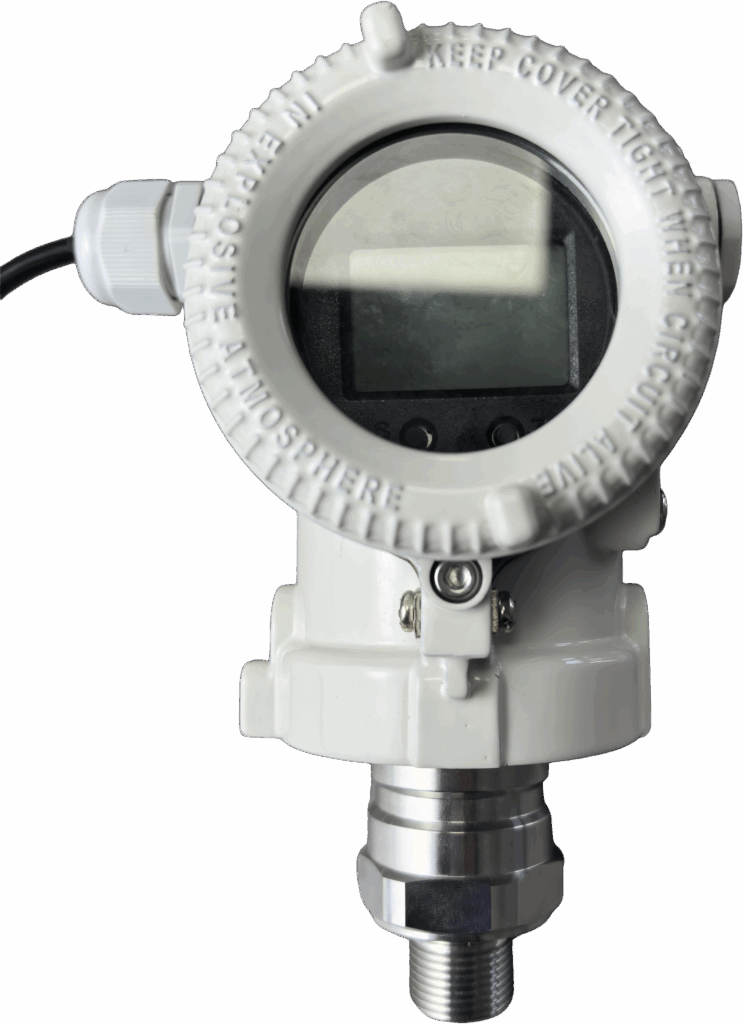
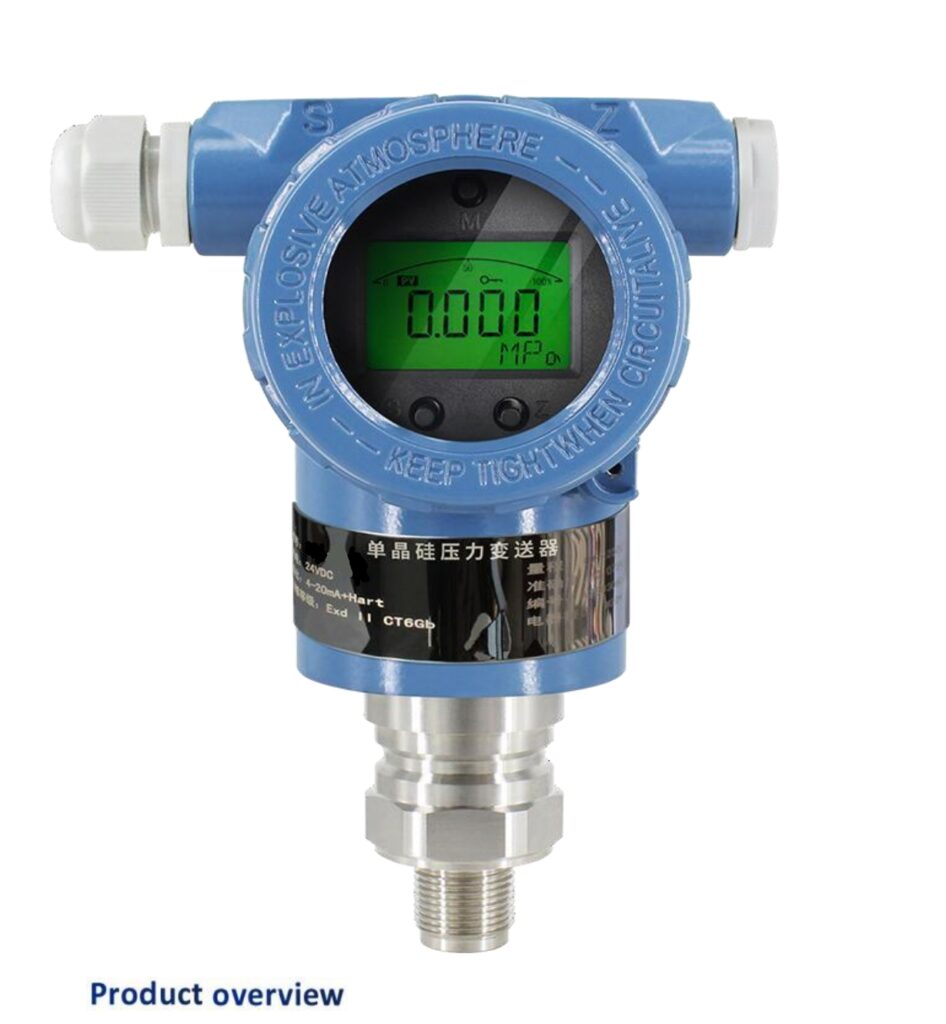
The high-precision pressure measurement and control system for new energy consists of high-sensitivity pressure sensors, signal processing modules, intelligent control units and executive adjustment components. Adopting MEMS micro-processing technology and temperature compensation algorithms, the sensor module can eliminate detection errors caused by extreme temperature and mechanical vibration, realizing high-accuracy pressure data collection within a full working condition range. The collected pressure signals are filtered and amplified by the signal processing system to eliminate environmental interference and ensure data authenticity.
The intelligent control unit compares real-time pressure data with preset precise thresholds through built-in industrial algorithms. Once pressure deviation is detected, it automatically drives valves, hydraulic pumps and other executive components to complete micro-adjustments, realizing closed-loop control of pressure parameters. This real-time dynamic regulation mode avoids the hysteresis and error of manual adjustment, maintaining long-term stable operation of new energy systems.
4. Typical Application Scenarios
This technology is widely applied in core new energy scenarios. In hydrogen energy industry, it is used for pressure monitoring and stable control of high-pressure hydrogen storage tanks and transmission pipelines to prevent hydrogen leakage and ensure safe energy storage and transportation. In new energy vehicle manufacturing, precise pressure control is applied in battery assembly, electrolyte filling and thermal management systems, improving battery safety and cycle life. In wind power and photovoltaic power generation, it stabilizes the pressure of hydraulic pitching and cooling systems, ensuring the continuous and stable operation of power generation equipment under complex weather conditions.
5. Industry Challenges and Optimization Strategies
At present, the application of high-precision pressure measurement and control still faces certain challenges. High-precision professional equipment is costly, and extreme new energy working conditions such as ultra-low temperature and strong corrosion easily cause sensor performance attenuation. In addition, the matching degree between control algorithms and diversified new energy scenarios needs to be further improved. To solve these problems, the industry should develop low-cost, high-environmental-adaptability special sensors for new energy, optimize intelligent control algorithms suitable for different working conditions, and strengthen regular equipment calibration and intelligent maintenance to ensure long-term measurement and control accuracy.
6. Conclusion
High-precision pressure measurement and control is a key basic technology supporting the safe, efficient and intelligent development of the new energy industry. It effectively solves the pain points of inaccurate monitoring and unstable regulation in traditional processes, and provides solid technical guarantees for new energy equipment operation safety, product quality improvement and energy efficiency optimization. With the continuous progress of sensor technology and intelligent control algorithms, high-precision pressure measurement and control systems will develop towards higher accuracy, stronger adaptability and smarter linkage. The continuous optimization and popularization of this technology will further promote the technological upgrading and large-scale development of the global new energy industry, and help accelerate the realization of green and low-carbon energy transformation.
Scan the QR code to receive more detailed information.