Metal tube float flowmeters, with their core advantages of simple structure, reliable measurement, and strong adaptability, are indispensable flow measurement instruments in industrial automation process control. They are particularly suitable for measuring small-diameter, low-flow-velocity, and complex media, and are widely used in industries such as petroleum, chemical, pharmaceutical, food, and water treatment.
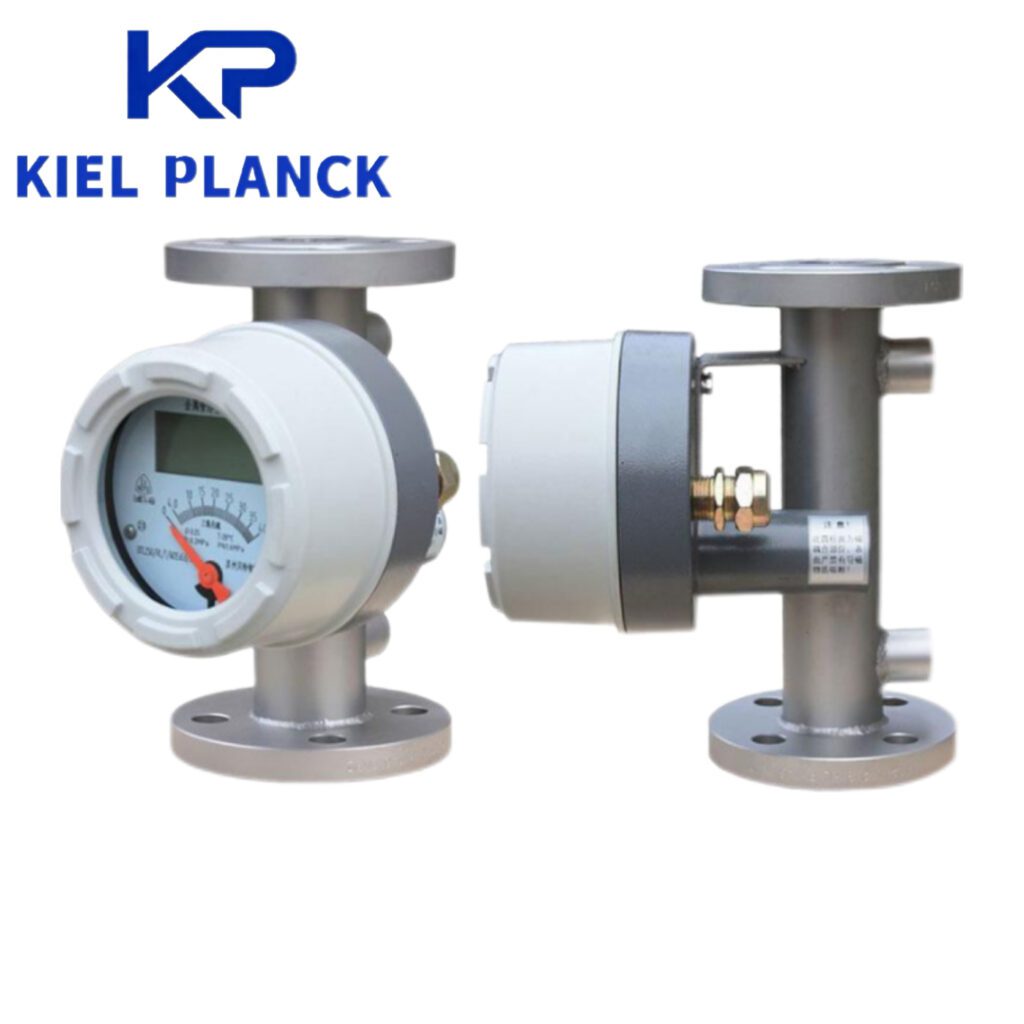
I. Basic Working Principle and Core Mechanism
1. Variable Area Measurement Principle
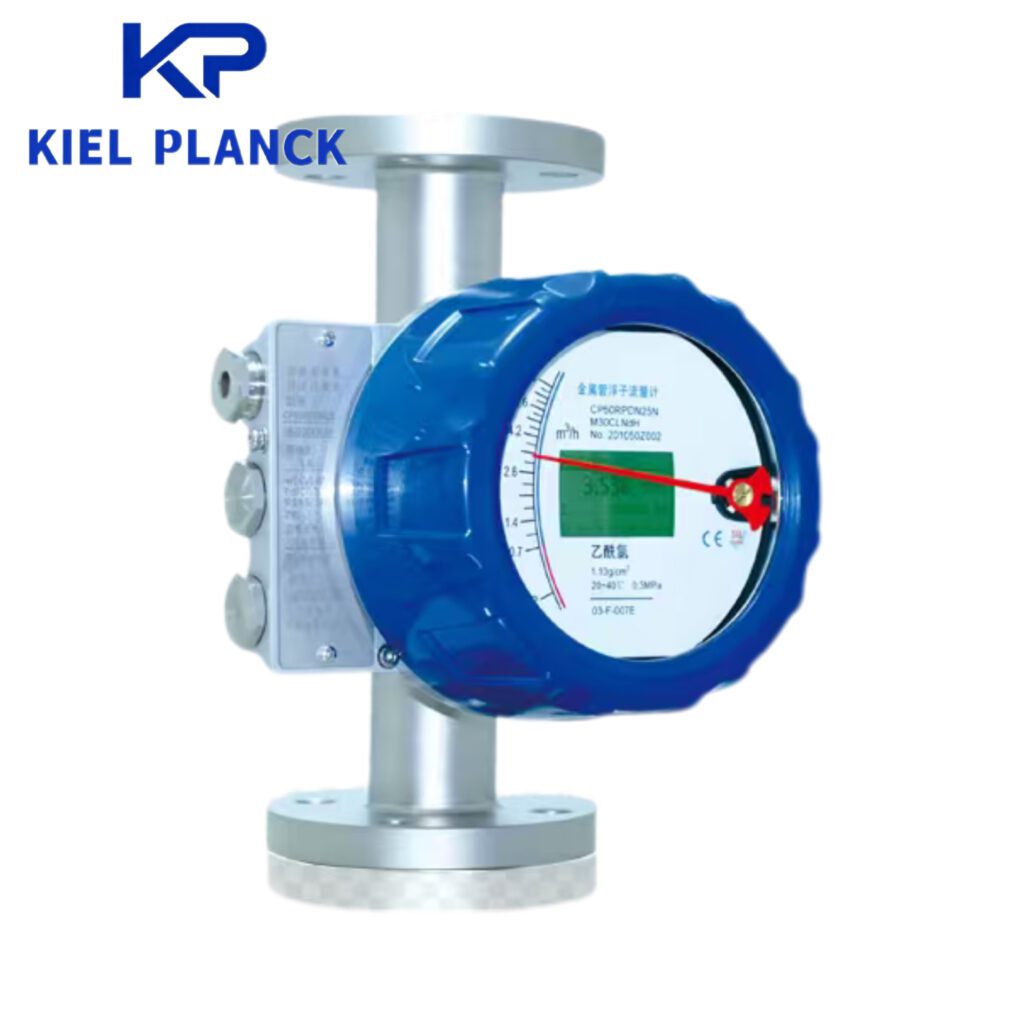
Core Structure: Composed of a vertical conical tube and a float that can move up and down. Fluid flows through the measuring tube from bottom to top.
Dynamic Equilibrium Mechanism: When the fluid passes through the conical tube, the float reaches an equilibrium state under the action of dynamic pressure, buoyancy, and gravity. At this time, the float height is proportional to the flow rate.
Flow Rate Formula: where α is the flow coefficient, ϵ is the gas expansion coefficient, V is the float volume, and ρt and ρf are the float density and fluid density, respectively.
2. Signal Transmission Method
Magnetic Coupling Technology: The float has a built-in high-performance magnet. Position changes are transmitted to an external indicator through non-contact magnetic coupling, avoiding the risk of fluid leakage.
Output Method: Provides 0-10mA or 4-20mA standard analog signals, supports HART communication protocol, and is easy to integrate into automation systems.
II. Key Performance Characteristics and Technical Advantages
1. Excellent Measurement Performance
Wide Range Ratio: Standard model 10:1, special designs up to 20:1 or even 50:1, a single instrument can cover a wide range of flow measurements.
High Accuracy: Standard model 1.5 grade, special models up to 1.0 grade, ensuring accurate and reliable measurement data.
Low Pressure Loss: Only 7kPa-70kPa, minimal impact on the system, significant energy saving.
2. Advantages of All-Metal Structure
Diverse Materials: The tapered tube and float can be made of stainless steel, Hastelloy, titanium, PTFE, etc., to meet the corrosion resistance requirements of different media.
Temperature Resistance: Operating temperature range -80℃~400℃, far exceeding that of glass rotor flowmeters, adapting to extreme environments.
Pressure Resistance: Standard model withstands 4.0MPa, special models up to 25MPa, meeting high-pressure operating requirements.
3. User-Friendly Design
Dual Indication System: A dual system of mechanical pointer and electronic display ensures flow rate can still be read even in the event of electronic component failure.
Intelligent Functions: Equipped with data recovery, data backup, and power-off protection functions to ensure data security.
Flexible Power Supply: Supports multiple power supply methods such as 24VDC two-wire, battery, and 220VAC to adapt to different site conditions.
III. Wide Range of Application Areas and Scenarios
1. Typical Application Industries
Chemical Industry: Measures the flow rate of chemical raw materials, reaction products, and additives, especially suitable for measuring corrosive liquids.
Petroleum Industry: Measures the flow rate of crude oil, natural gas, water injection, and oil processing; adaptable to high temperature and high pressure environments.
Pharmaceutical and Food Industry: Measures the liquid flow rate during the dissolution and mixing of pharmaceutical raw materials and the filling flow rate of food sauces, meeting hygiene standards.
Water Treatment: Used for flow measurement and process control under complex and harsh environmental conditions; resistant to polluted media.
2. Adaptability to Special Operating Conditions
Corrosive Media: Utilizing PTFE lining and Hastelloy materials, it can measure highly corrosive liquids such as hydrochloric acid, sulfuric acid, and sodium hydroxide.
High Temperature and High Pressure: Employing a jacketed design, it can measure media with temperatures up to 450℃ and pressures up to 42.0 MPa.
Flammable and Explosive: Certified intrinsically safe (ExiaⅡCT6) and explosion-proof (ExdⅡCT6), ensuring safe operation in hazardous environments.
IV. Reliable Operation Guarantee Measures
1. Correct Installation Specifications
Installation Direction: Must be installed vertically with an inclination not exceeding 2°. For horizontal installation, the horizontal angle must be less than 2°.
Straight Pipe Section Requirements: A straight pipe section at least 5 times the pipe diameter should be present at the inlet, and a 250mm straight pipe section should be present at the outlet.
Filtration Measures: If the medium contains ferromagnetic substances, a magnetic filter should be installed between the valve and the straight pipe section.
2. Routine Maintenance Points
Regular Cleaning: Regularly disassemble the flow meter to clean the inner wall of the measuring tube and the surface of the float to remove dirt or deposits, preventing obstruction of float movement.
Sealing Check: Check that the indicator seal is intact to prevent dust from entering and affecting pointer rotation.
Troubleshooting: If the float is stuck, close the valve, disassemble the flow meter, clean the float and measuring tube, and check for solid particles clogging the system.
3. Professional Calibration Method
Calibration Steps: First perform a 4-20mA fine-tuning, then a full-range fine-tuning, and finally recalibrate the metering range.
Calibration Tools: A standard pressure source must be input to the transmitter, not just adjusted via a HART handheld device.
Calibration Frequency: It is recommended to calibrate at least once a year to ensure reliable measurement data.
V. Selection and Usage Recommendations
1. Key Considerations for Selection
Media Characteristics: Select appropriate materials and structures based on fluid density, viscosity, and corrosiveness.
Flow Range: Ensure the operating flow rate is within 20%-80% of the flow metering range.
Environmental Factors: Evaluate the impact of environmental conditions such as temperature, pressure, and explosion-proof features on the flow meter.
2. Precautions for Use
Avoid direct sunlight: For instruments with LCD displays, avoid direct sunlight on the display to prevent shortening its lifespan.
Gas measurement: Ensure the pipeline pressure is at least 5 times the instrument’s pressure loss to ensure stable float operation.
Slow opening and closing: Open and close valves slowly to avoid damaging the instrument.
Metal tube float flowmeters, with their simple structure, reliable measurement, and strong adaptability, have become indispensable flow measurement instruments in industrial automation process control. Through proper selection, standardized installation, regular maintenance, and professional calibration, they can ensure long-term stable operation under various complex working conditions, providing accurate and reliable flow data support for production processes, truly becoming your reliable partner for fluid measurement.
Scan the QR code to receive more detailed information.