The Kilplank multi-parameter water quality analyzer focuses on the core needs of laboratory testing, with “precision, efficiency, and convenient integration” as its core. It provides an integrated solution for the entire process from sample testing to data management, improving efficiency, reducing costs, and adapting to various laboratory scenarios.
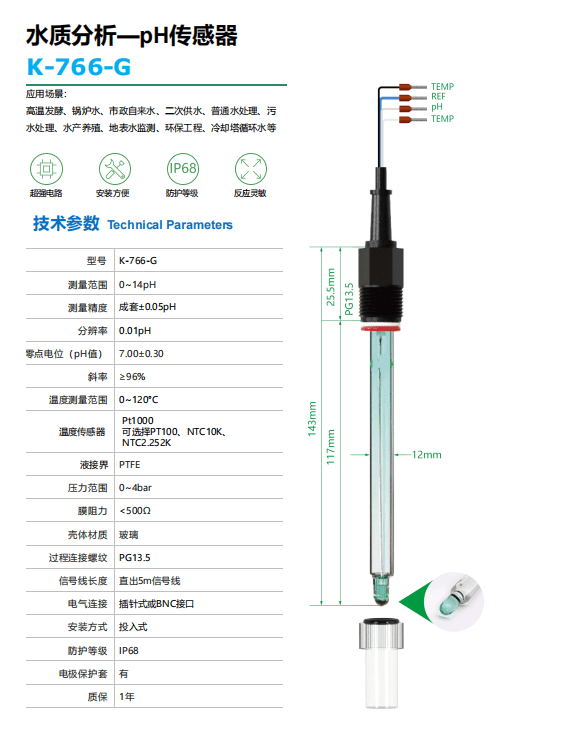
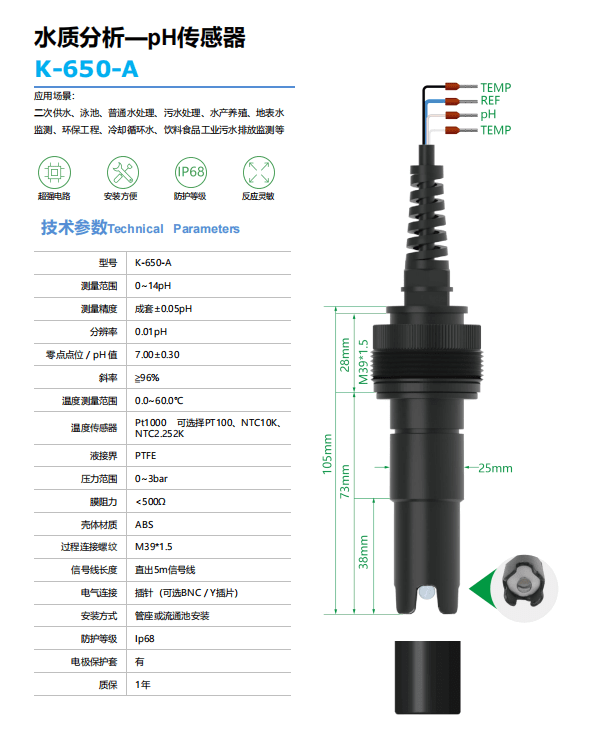
I. Key Points of Daily Operation and Maintenance
Cleaning and Maintenance: After each use, clean the sensor, cuvette, and other parts that come into contact with water samples to prevent scale and stains from adhering. Wipe the instrument casing with a soft cloth and store it in a dry, ventilated place.
Consumables Management: Reagents, electrodes, and other consumables must be used within their expiration dates. Electrodes must be soaked in protective solution as required and should not be stored in dry conditions.
Power Supply and Storage: Charge the portable instrument regularly to avoid over-discharge. If the instrument is not in use for an extended period, power it on periodically and clear the instrument’s memory.
Daily Inspection: Regularly check the sealing of pipelines and interfaces, check for leaks and loose connections, and keep accurate maintenance logs.
II. Calibration Specifications
Calibration Cycle: For daily use, perform single-point calibration once a week and multi-point calibration once a month. After a long period of inactivity, a full calibration is required upon restart.
Calibration Operation: Use the provided standard solution and follow the instrument manual to complete the zero-point and full-scale calibration sequentially. Save the data after calibration.
Precautions: The standard solution must be freshly prepared. The calibration environment should be at a stable temperature to avoid interference factors that may affect calibration accuracy.
III. Common Troubleshooting
Unstable Readings: Check for air bubbles in the water sample, sensor contamination, or electrode aging. Clean the sensor, recalibrate, or replace the electrode.
Calibration Failure: Check if the standard solution has deteriorated and if the electrode is clean. Replace the standard solution and recalibrate.
No Reading/Abnormal Readings: Check the power supply, sensor connection, or range setting. Troubleshoot connection problems and adjust the range.
Slow Response: Clean the sensor probe, check for optical component contamination, and replace vulnerable parts if necessary.
IV. Summary
Standardized daily maintenance, accurate calibration, and rapid troubleshooting are the core guarantees for the stable operation and accurate data of multi-parameter water quality analyzers. The system is simple and easy to use, adaptable to various application scenarios, and reduces maintenance costs.
I. Core Advantages
**Accurate and Reliable:** Utilizing a fusion of optical-electronic-chemical sensing technology and a signal-coordinated correction mechanism, the indication error is ≤±5%, repeatability ≤3%, and optical stability ≤±0.001Abs/20 minutes, meeting national testing standards and ensuring authoritative and traceable data.
**Highly Efficient and Convenient:** One-button start operation integrates automatic digestion and multi-parameter simultaneous detection functions. It can complete the detection of more than ten indicators such as COD, ammonia nitrogen, and total phosphorus in a single run, improving detection efficiency by 5-8 times compared to traditional methods and reducing the detection cycle from “days” to “minutes.”
**Integrated and Streamlined:** Modular design integrates detection, calibration, and data processing into one unit, requiring no additional supporting equipment. It occupies little space, adapts to various laboratory layouts, and is easy to maintain with controllable costs.
II. Core Functions
**Multi-Parameter Simultaneous Detection:** Covers five common parameters (pH, dissolved oxygen, conductivity, etc.), nutrients, organic pollutants, and other core indicators. A heavy metal detection module can be added as needed to meet diverse laboratory testing needs.
Intelligent operation and maintenance: Built-in intelligent algorithms automatically complete data collection, processing and calibration, support data storage, export and cloud connection, reduce manual intervention and avoid human error.
Standardized Adaptation: Strictly adheres to relevant national standards and methods, supports blank tests and parallel sample testing, and is compatible with various water samples including surface water, industrial wastewater, and drinking water, meeting the needs of routine laboratory testing and scientific research.
III. Applicable Scenarios and Core Value
Adaptable to environmental monitoring laboratories, third-party testing institutions, university research laboratories, water testing laboratories, etc., enabling rapid completion of routine water quality testing, pollutant screening, and water quality assessment.
Core Value: Streamlined design simplifies operation processes, high-efficiency testing enhances work efficiency, and accurate data supports water quality control and scientific research, helping laboratories achieve their testing goals of “cost reduction, efficiency improvement, and quality enhancement.”
Add me as a friend to learn more.