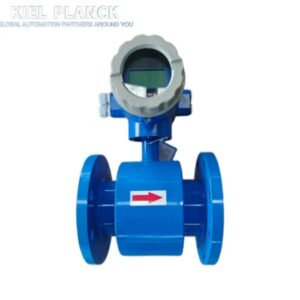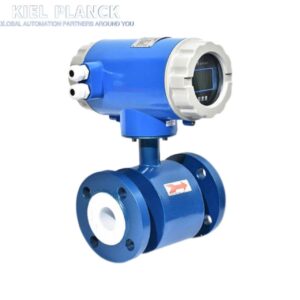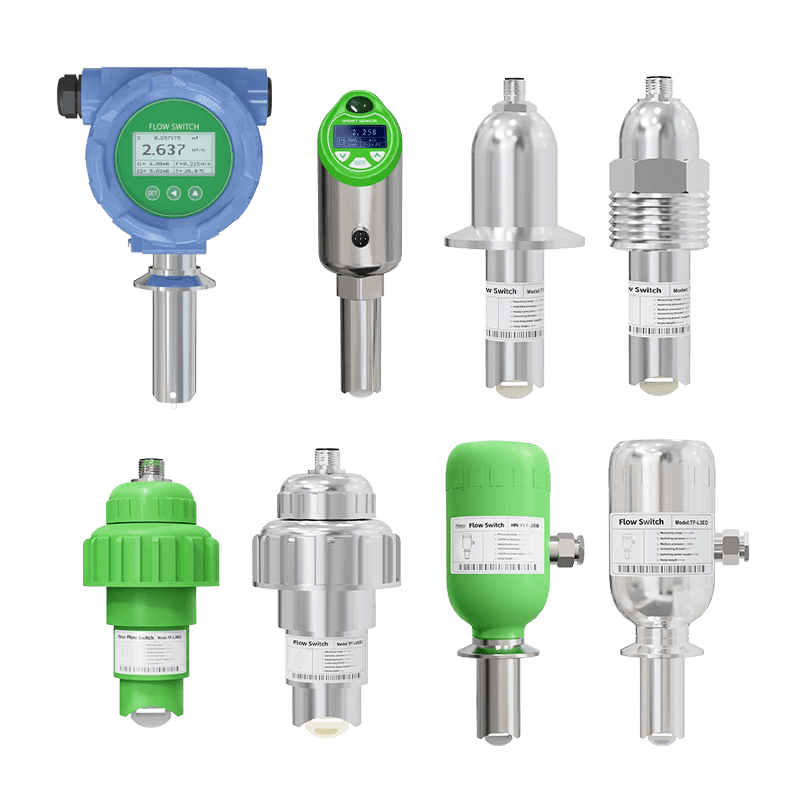
The core of the LianCe multi-parameter water quality analyzer is an integrated sensor array, adapted for online monitoring; the core sensors are: pH/ORP (electrochemical), turbidity (90° scattered light), residual chlorine (three electrodes), conductivity, dissolved oxygen (fluorescence method), and temperature (thermal resistance), which are modular and meet the accuracy requirements.
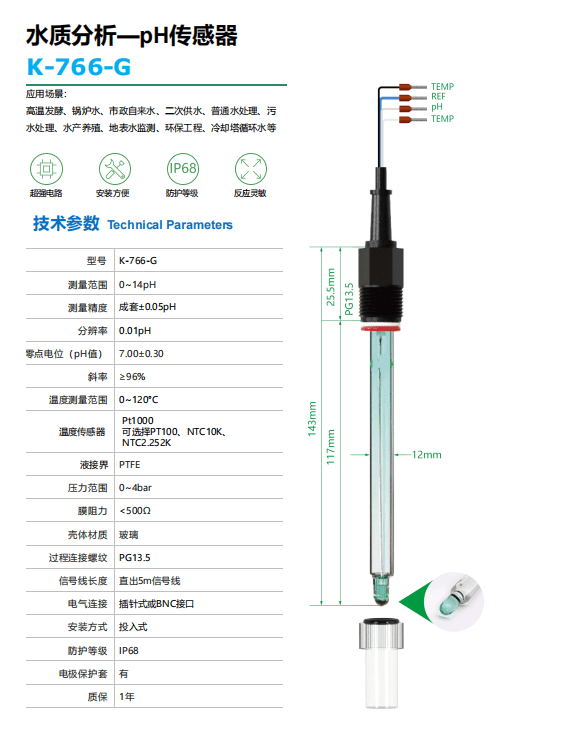
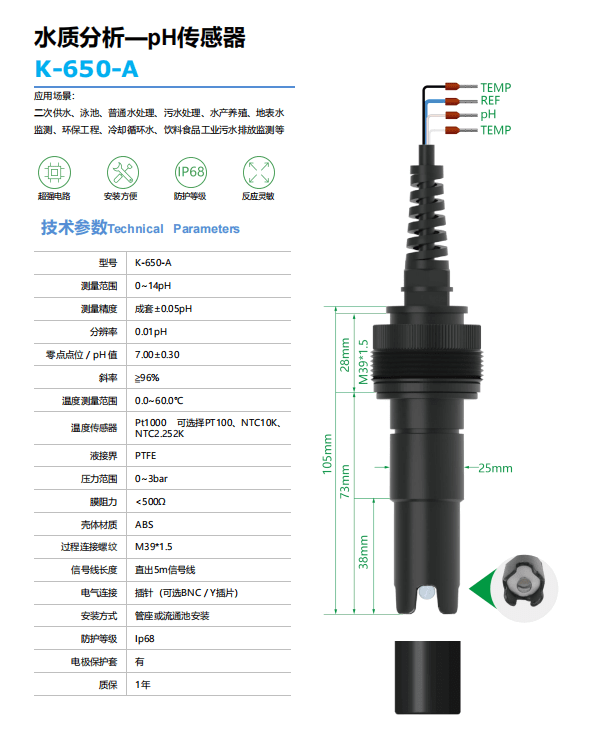
The core competitiveness of the LianCe multi-parameter water quality analyzer lies in its high-performance integrated sensor array. Its core sensors all employ mature, mainstream technologies in the industry, accurately balancing detection precision with ease of practical application. It is widely adaptable to various online monitoring scenarios, including municipal water supply, sewage treatment, industrial wastewater, and surface water monitoring. The core sensor technologies and features are detailed below: The pH/ORP sensor uses a high-precision electrochemical detection method with a built-in intelligent temperature compensation module, effectively offsetting the impact of temperature changes on the detection results, resulting in fast response and stable readings; the turbidity sensor uses a 90° scattered light detection method, combined with a high-sensitivity fiber optic transmission structure, effectively resisting external light interference. Some models offer an optional automatic cleaning function, reducing the frequency of manual maintenance; the residual chlorine/chlorine dioxide sensor uses an advanced three-electrode constant potential method, eliminating the need for chemical reagents and avoiding secondary pollution. It also features dual pH and temperature compensation functions, ensuring accurate detection in complex water quality environments; the conductivity sensor uses corrosion-resistant graphite electrodes and electrode detection technology, with a four-electrode design effectively reducing electrode polarization and improving detection stability and service life.
The temperature sensor employs a high-precision resistance temperature detector (RTD) method to collect water temperature data in real time, providing accurate temperature compensation support for other detection parameters and ensuring overall detection accuracy. The overall sensor system adopts a modular integrated design, facilitating installation and maintenance. All core technologies strictly meet the accuracy standards for conventional online water quality monitoring, perfectly balancing equipment operational stability and ease of daily maintenance.
Add me as a friend to learn more.