The multi-parameter water quality analyzer integrates “optical-electronic-chemical” fusion sensing technology with an intelligent system, improving the accuracy of water quality analysis to within ±5% error range and increasing detection efficiency by 5-8 times compared to traditional methods, thus realizing a paradigm shift in water quality monitoring from “single-point measurement” to “panoramic assessment”.
I. Core Technology Principles and Accuracy Guarantee
The core of the multi-parameter water quality analyzer lies in its “optical-electrochemical” integrated sensing system, which works collaboratively through three technical pathways:
Optical Detection System: Employing cold light source and fiber optic transmission technology, combined with a dual colorimetric system (16mm prefabricated test tube and ≤50mm cuvette), it achieves optical stability ≤±0.001Abs/20 minutes, indication error ≤±5%, and repeatability ≤3%. Its working principle is based on Lambert-Beer’s law, calculating pollutant concentration by detecting changes in absorbance when irradiating a water sample with light of a specific wavelength.
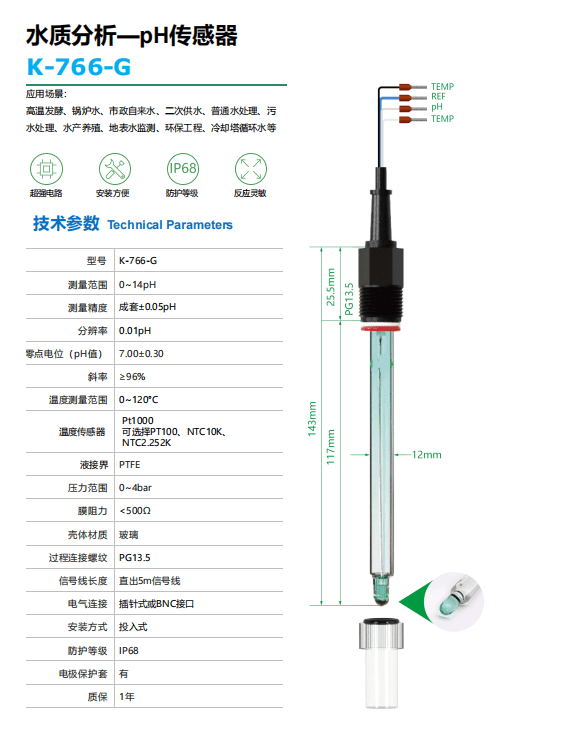
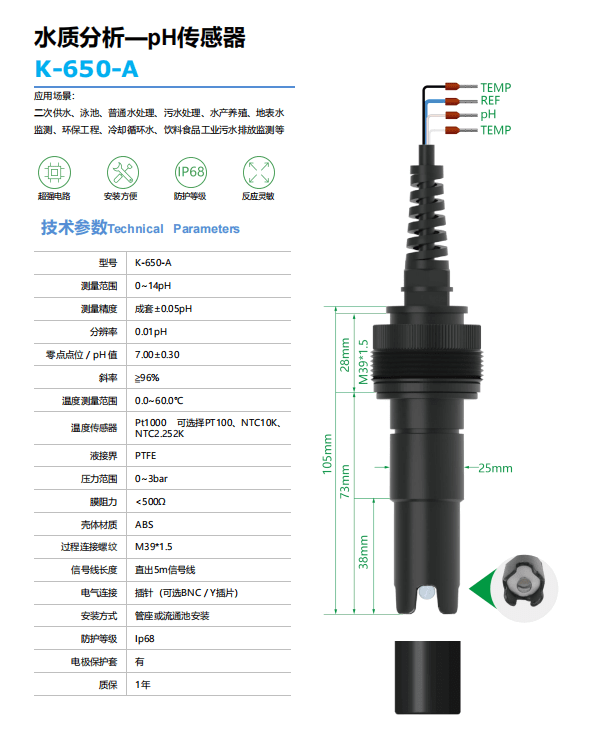
Electrochemical Sensing System: Integrating a pH glass electrode, dissolved oxygen fluorescence sensor, and residual chlorine constant-pressure electrode, it uses potentiometric analysis and current response principles to accurately measure parameters such as pH, ORP, and conductivity.
Signal Collaborative Correction Mechanism: Utilizing electrochemical parameters (pH, temperature) to compensate and correct optical measurements in real time, effectively eliminating interference factors such as turbidity and color, improving overall measurement accuracy by more than 30%.
II. Key Innovations for Efficiency Leap
1. Simultaneous Multi-Parameter Detection
Compared to traditional single-parameter equipment that requires multiple sampling and testing, multi-parameter water quality analyzers can simultaneously detect more than ten indicators such as COD, ammonia nitrogen, total phosphorus, and total nitrogen. A single on-site operation can complete complex project combinations that would typically require multiple days in a traditional laboratory. Its detection speed is 5-8 times faster than traditional methods, reducing the detection cycle from “days” to “minutes.”
2. Intelligent Workflow
Modern multi-parameter water quality analyzers integrate automatic sample introduction, microfluidic reaction, spectroscopic/electrochemical detection, and an intelligent data processing platform, enabling “one-click” operation:
Automatic Digestion System: A digestion unit with independent dual-temperature zone control can heat to 165℃ within 10 minutes, with a temperature control accuracy of ±0.5℃, supporting high-demand digestion programs such as COD, total phosphorus, and total nitrogen.
Automatic Data Processing: Built-in intelligent algorithms automatically complete data acquisition, processing, and analysis, reducing manual calculation errors.
Multi-task Split-Screen Technology: Multiple tasks, including the test interface, digestion progress, and electrode module interface, can be simultaneously displayed in modular windows on the same screen, improving operational efficiency.
3. Portable Design
The equipment adopts a suitcase or backpack design, weighing between 1.5-11kg, supporting field, vehicle-mounted, or shipboard use. For example, the PORS-15V main unit weighs only 1.5kg, equipped with an 8-inch high-definition touchscreen and a high-capacity lithium battery, providing up to 8 hours of continuous use on a full charge, eliminating site limitations for on-site testing.
IV. Selection and Usage Tips
Parameter Matching: Select detection parameters based on actual needs to avoid over-functionality. For routine monitoring, it is recommended to choose models that support basic parameters such as COD, ammonia nitrogen, total phosphorus, total nitrogen, pH, and dissolved oxygen.
Accuracy Verification: Before purchasing, request third-party testing reports from the manufacturer. Pay particular attention to indication error (≤±5%) and repeatability (≤3%).
Maintenance Convenience: Choose modular designs and plug-and-play devices to significantly reduce maintenance difficulty and downtime.
Data Management: Prioritize devices that support cloud platform integration and data traceability for long-term water quality trend analysis.
Calibration and Maintenance: Perform zero-point and curve calibrations regularly. For the optical components, clean the optical window regularly according to the instruction manual to ensure measurement accuracy. For the electrochemical components, regularly check the electrode status and perform calibration and maintenance according to specifications to reduce measurement drift and ensure long-term data reliability.
Multi-parameter water quality analyzers are evolving from “data acquisition tools” to “intelligent decision support systems.” With the deep integration of AI algorithms and breakthroughs in spectral technology, they will transform from “passive monitoring” to “active early warning” in the future, providing more accurate and efficient technical support for water environment governance.
Add me as a friend to learn more.