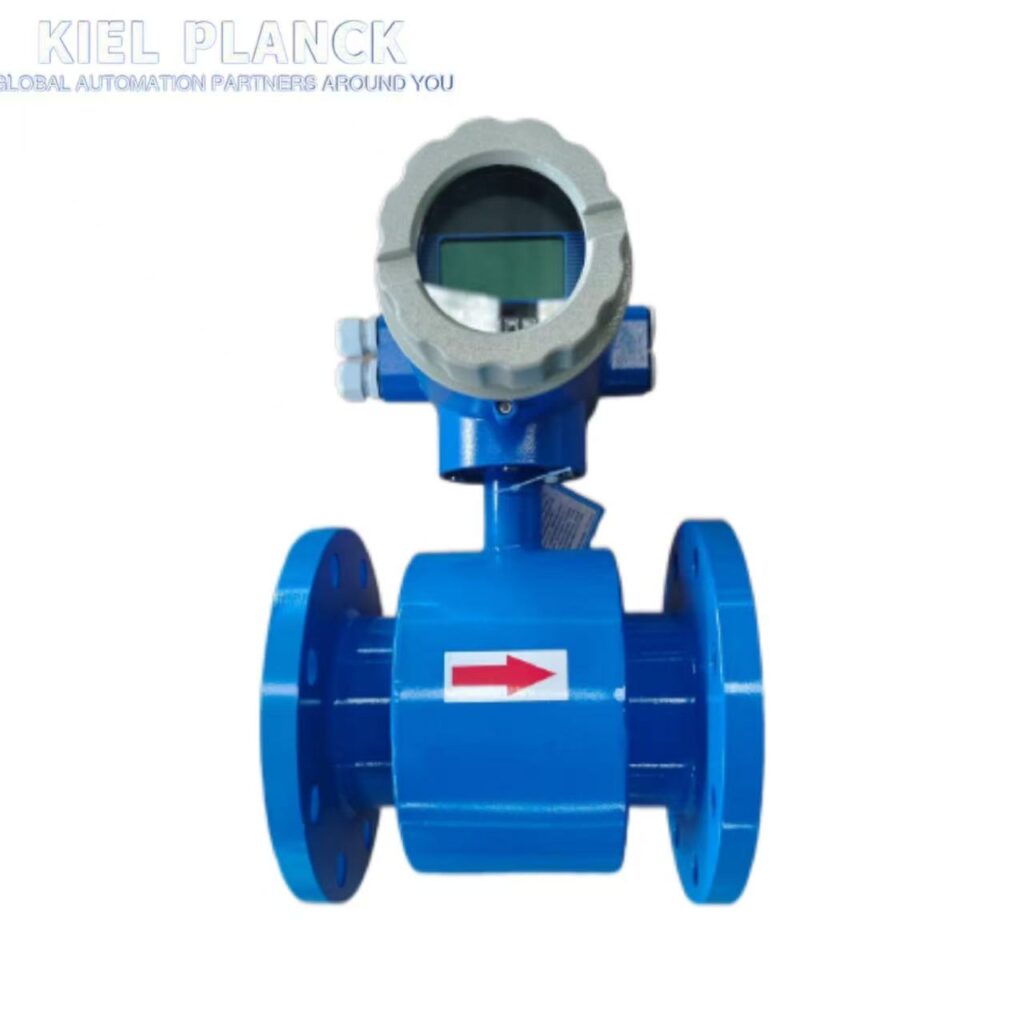
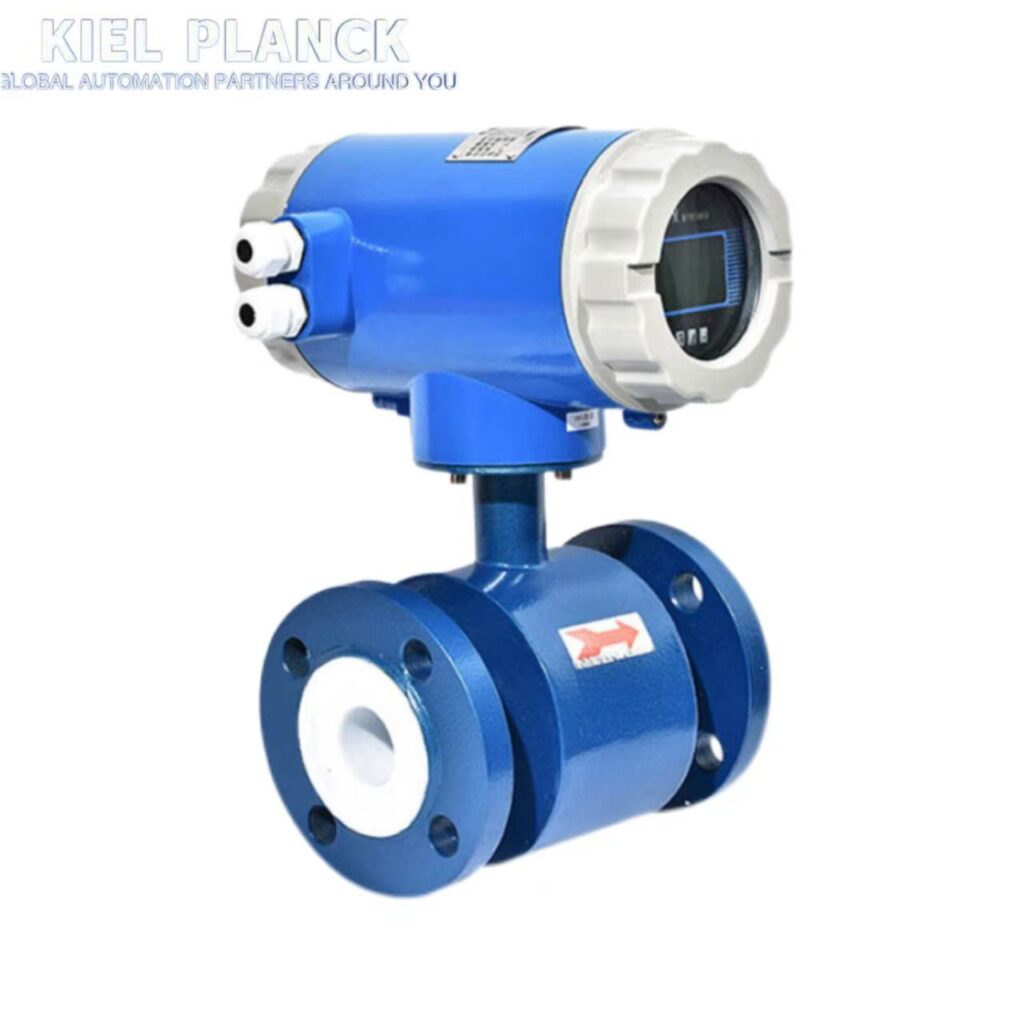
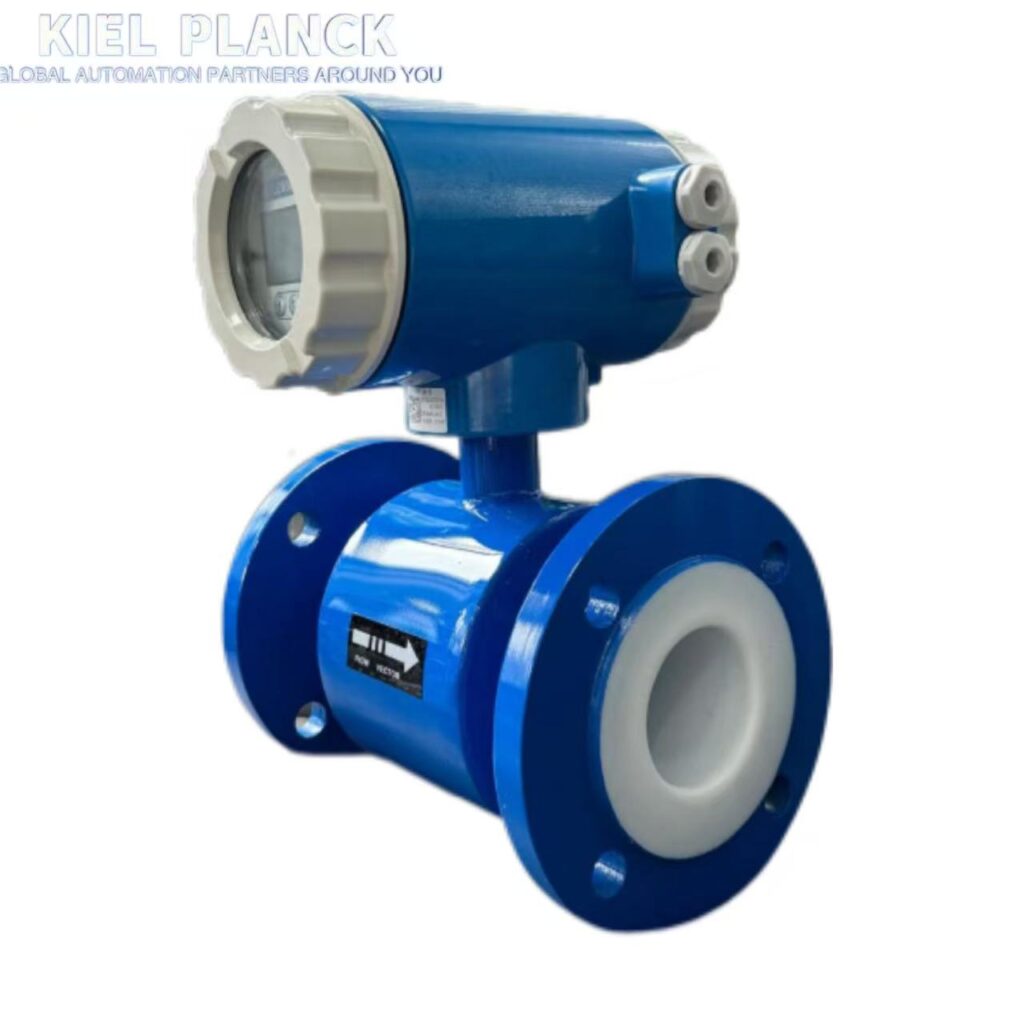
I. Comparison of Common Lining Materials
1. Rubber Linings
Natural Rubber/Soft Rubber
Advantages: Good elasticity, strong wear resistance, high breaking strength
Disadvantages: Poor corrosion resistance, only resistant to weak acids and alkalis
Applicable Temperature: ≤60℃
Applicable Media: Non-corrosive media such as tap water, sewage, and slurry
Economy: Low cost, approximately 2000 RMB/unit (DN65 specification)
Neoprene Rubber
Advantages: Excellent elasticity, better wear resistance than PTFE, resistant to general low-concentration acids, alkalis, and salts
Disadvantages: Not resistant to oxidizing media corrosion
Applicable Temperature: ≤ 80℃
Applicable Media: Industrial water, wastewater, weak acid and alkali solutions
Application Case: Sludge return process in municipal wastewater treatment plants, stable operation for three years
Polyurethane Rubber
Advantages: Excellent abrasion resistance (approximately 10 times that of natural rubber)
Disadvantages: Poor acid and alkali resistance, poor temperature resistance
Applicable Temperature: ≤40℃ (some sources say ≤65℃)
Applicable Media: Highly abrasive media such as coal slurry, mineral slurry, and mud
Limitations: Not suitable for corrosive media; prone to aging above 40℃
2. Fluoroplastic Linings
Polytetrafluoroethylene (PTFE/F4)
Advantages: Extremely strong corrosion resistance (resistant to boiling hydrochloric acid, sulfuric acid, nitric acid, aqua regia, concentrated alkali), high temperature resistance (-80~180℃), smooth and non-adhesive surface
Disadvantages: Poor adhesion, not wear-resistant, not suitable for negative pressure environments (easily detaches)
Suitable Media: Strongly corrosive media (e.g., 70% dilute sulfuric acid), sanitary liquids (food, pharmaceutical)
Application Example: Metering of dilute sulfuric acid in phosphate fertilizer production; service life of over 5 years
Perfluoroethylene propylene (F4) 6)
Advantages: Corrosion resistance comparable to PTFE, stronger wear resistance, can withstand negative pressure
Disadvantages: Higher cost than PTFE
Applicable temperature: ≤100℃ (some sources say ≤180℃)
Applicable media: Strongly corrosive media and occasions with slight abrasion
Technical highlights: Internal metal mesh design significantly improves negative pressure resistance
Fluoropolymer (Fs)
Advantages: High cost-effectiveness, lower cost than F4
Disadvantages: Slightly lower temperature resistance
Applicable temperature: ≤80℃
Applicable media: General strongly corrosive media
II. Key Principles for Lining Selection
1. Prioritization
Corrosivity > Temperature > Abrasion Resistance > Pressure
First, ensure the lining can resist media corrosion; otherwise, equipment lifespan will be significantly shortened.
Temperature is a strict limiting factor; exceeding the range will lead to lining failure.
Abrasion resistance is for media containing solid particles (such as mineral slurry, coal slurry).
Pressure has a relatively small impact, but special consideration is needed for negative pressure environments (e.g., PTFE is not suitable).
Conductivity Influence
Electromagnetic flowmeters require a medium conductivity ≥ 5 μS/cm; measurements below this value are invalid.
Low conductivity media (such as pure water) require special design; conventional electromagnetic flowmeters are not suitable.
III. Typical Application Scenarios Recommended
1. Water Treatment Industry
Tap Water/Sewage: Neoprene rubber lining (economical and practical, good wear resistance)
Dosing/Metering/Highly Corrosive Wastewater: PTFE lining (resistant to strong acids and alkalis)
Sludge Return System: Neoprene rubber + stainless steel electrode combination (balance between wear resistance and corrosion)
2. Chemical Industry
Concentrated Acid/Concentrated Alkali Transportation: PTFE lining + tantalum electrode (e.g., 70% dilute sulfuric acid metering)
Fluoride-containing Wastewater: F46 lining (resistant to negative pressure, good creep resistance)
Mixed Acid/Sodium Hypochlorite: PTFE lining (“King of Plastics”, resistant to almost all chemical media)
3. Power/Metallurgical Industry
Coal-Water Slurry Measurement: Ceramic lining (Mohs hardness 9, excellent wear resistance)
Mineral Slurry/Pulp: Polyurethane rubber (good wear resistance, moderate cost)
4. Food/Pharmaceutical Industry
Sanitary Liquids: PTFE lining (FDA compliant, smooth surface)
Traditional Chinese Medicine Extracts/Vaccine Solutions: High-temperature resistant PFA lining (withstands 160°C steam sterilization)
IV. Selection Process and Precautions
1. Selection Process
Analyze Media Characteristics: Identify corrosivity, abrasiveness, temperature, pressure, and conductivity.
Select Applicable Materials: Match lining type based on characteristics.
Verify Compatibility: Consult the “Corrosion Data and Material Selection Handbook” to confirm the corrosion rate (requirement ≤0.1mm/year).
Temperature-Pressure Coupling Verification: Refer to the lining’s “Temperature-Pressure Rated Curve” (e.g., PTFE’s maximum allowable pressure at 120℃ is 1.0MPa).
Economic Evaluation: Select the option with the highest cost-effectiveness while meeting requirements.
2. Common Mistakes and Avoidances
Mistake: Selecting a lining based solely on the media name, ignoring specific concentration and temperature. Avoidance: Identify specific media parameters (e.g., for “hydrochloric acid,” concentration and temperature must be specified).
Mistake: Ignoring the impact of negative pressure environments on PTFE linings. Avoidance: Use F46 or ceramic linings for negative pressure environments.
Mistake: Using PTFE linings for highly abrasive media. Avoidance: For highly abrasive media such as mineral slurry and coal slurry, polyurethane or ceramic linings should be selected.
3. Maintenance Recommendations
Inspect the lining wear every 3-6 months (using an ultrasonic thickness gauge).
Under high-wear conditions, increasing the ceramic lining thickness by 50% (up to 3mm) can reduce wear to 1/25th that of a standard lining.
Perform integrity tests regularly, especially for sanitary applications.
When selecting an electromagnetic flowmeter lining, there is only the “most suitable.” The decision should be based on a three-dimensional process of “medium characteristics – operating conditions – usage requirements,” prioritizing corrosion resistance and temperature adaptability, then considering wear resistance and economy, and finally ensuring the reliability of the selection through material compatibility verification.
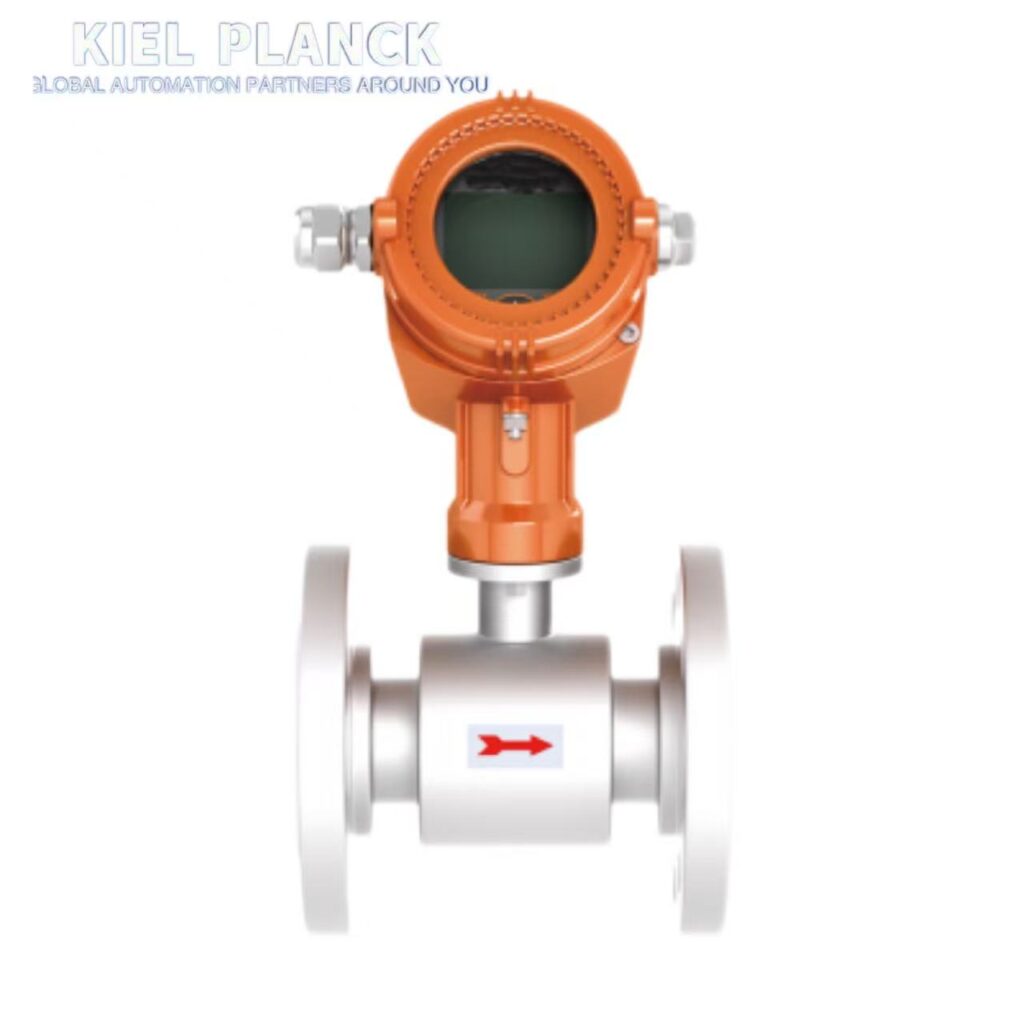
III. Operation Control Flow
Control Cycle Steps
Reset Phase: Use the AH input control terminal to reset the total control quantity (ΣS) to zero (if the switch remains closed, the reset process continues).
Accumulation Phase: Input a high level to the AH input control terminal (switch open), and the total control quantity (ΣS) begins to accumulate.
Trigger Phase: When the accumulated value reaches the set value, the AL outputs a low level (switch closed), completing one control cycle.
Communication Support: The accompanying communication software is L-Mag-P-51, providing dedicated command communication for batch control over single-machine communication, supporting remote monitoring and parameter adjustment.
IV. Typical Application Scenarios
Filling and Feeding Systems: Electromagnetic flow meters, in conjunction with solenoid valves or pneumatic valves, achieve fixed-value batch control, widely used in liquid filling processes in the food and beverage, chemical, and pharmaceutical industries.
Industrial Production Processes
Salt Slurry Discharge: Precisely controls salt slurry flow in the chemical and metallurgical industries.
Wash Water Flow: Achieves flow control under high temperature and high flow rate environments.
Transfer Flow: Ensures the stability and safety of the production process under high pressure and high temperature environments.
Special Application Scenarios
Low Conductivity Media: Suitable for ultrapure water in the electronics and semiconductor industry, and high-purity process fluids in the pharmaceutical industry.
Precise Control of Small Flow Rates: Achieves micro-proportioning control (e.g., flow rates as low as 2L/H) in the fine chemical and pharmaceutical industries.
V. Advantages and Precautions
Core Advantages
High Precision: Measurement accuracy is typically ±0.5% to ±1%, ensuring accurate quantitative control.
Unobstructed Flow Design: No components obstruct fluid flow, reducing pressure loss, particularly suitable for high-viscosity liquids or liquids containing solid particles. Digitalization and Intelligentization: Supports remote monitoring, data recording and analysis, and seamlessly integrates with Industry 4.0 systems.
Usage Precautions
Correct Installation: Installation must be performed correctly according to the instruction manual. Consult with instrument technicians before installation.
Parameter Settings: The total control value must be set reasonably to avoid control failure due to improper settings.
Environmental Requirements: Avoid strong magnetic field interference. The ambient temperature should be controlled between -20℃ and +60℃, and the relative humidity between 5% and 90%.
Alternative Solution: For scenarios with limited budgets, a “manual operation method” can be used: The operator stands in front of the flow meter and manually presses the pump stop button when the set value is reached. This operation is simple but reliable.
The batch control function of the electromagnetic flow meter, through flow measurement and reliable switch signal output, realizes automated and precise control of liquid flow in industrial production. It is an indispensable key technology in modern industrial processes, especially suitable for complex industrial environments requiring high-precision quantitative control.
If you want to know more, please contact me.