

Temperature drift, hysteresis, and long-term stability—three most easily overlooked key performance indicators for pressure transmitters.
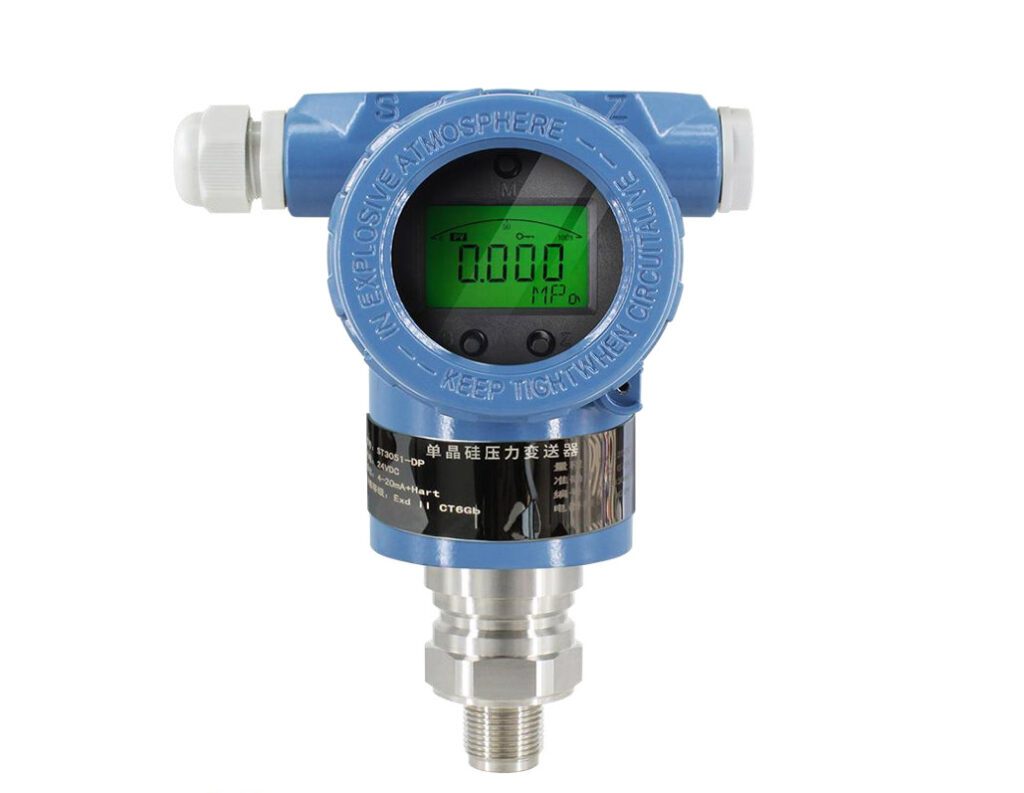
Industrial field environments often involve drastic temperature fluctuations, covering ultra-low cold conditions of -40℃ in winter outdoor installations and high-temperature heat radiation up to 85℃ in summer factory workshops
Why do high-end instruments use monocrystalline silicon sensors?
High-end precision instruments for industrial measurement and laboratory testing demand exceptional accuracy, repeatability, and long-term operational stability under complex working conditions. Monocrystalline silicon sensors have gradually replaced traditional metal strain and polycrystalline silicon sensors to become the core sensing component of premium industrial instruments.
Why do high-end instruments use monocrystalline silicon sensors?
Monocrystalline silicon sensors have become the core sensing component of high-end industrial precision instruments, pressure transmitters, and laboratory measurement equipment, gradually replacing traditional polycrystalline silicon and metal strain sensors.
What pressure transmitter provides the highest accuracy when paired with a differential pressure flow meter?
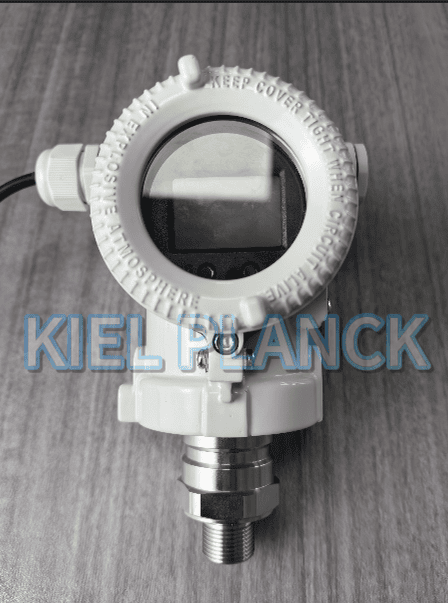
Differential pressure (DP) flow meters are the most widely used flow measurement devices in process industries, relying on pressure difference changes to calculate fluid flow velocity and cumulative flow.
How to choose the accuracy class of a pressure transmitter?
Accuracy class is the core technical indicator determining the measurement performance and application value of pressure transmitters. Common industrial accuracy grades include 0.04%, 0.05%, 0.075%, and 0.1% full-scale error, each matching distinct industrial scenarios, precision requirements and budget standards.
How many years can a single-crystal silicon pressure transmitter be used?
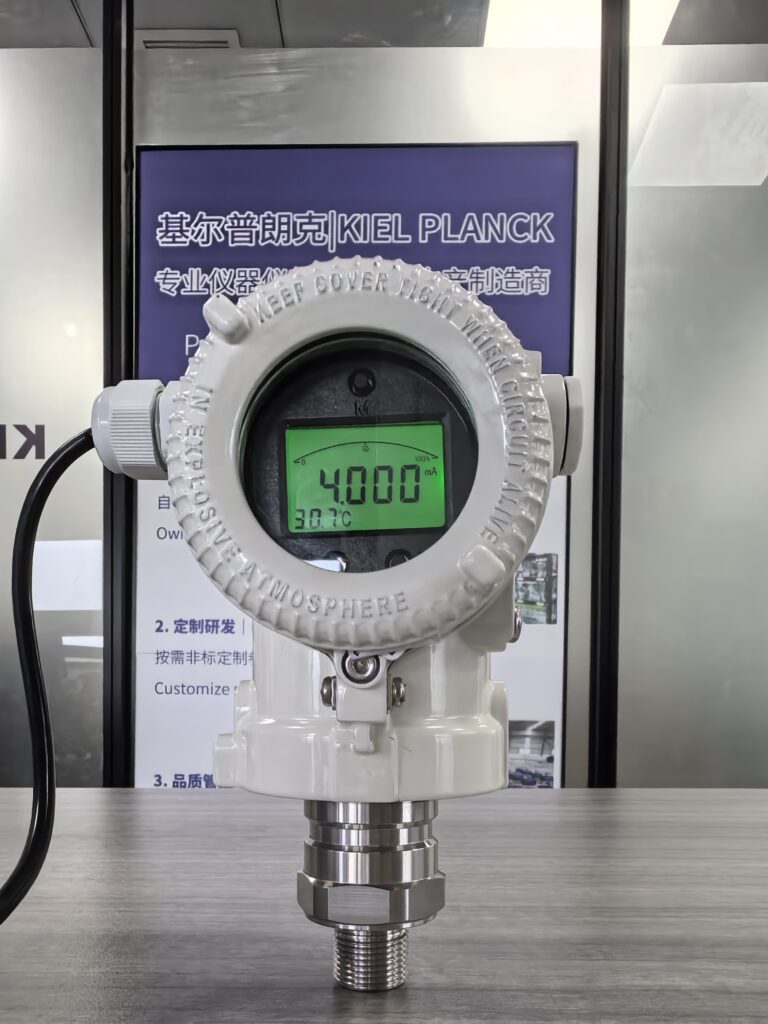
Single-crystal silicon pressure transmitters are widely adopted in petrochemical industries due to their high precision, excellent stability and strong anti-interference capability. Although manufacturers generally claim a 10-year service life and ultra-low long-term drift, most relevant data comes from laboratory aging tests rather than long-term field verification.
Explanation of the 4 Core Indicators of Monocrystalline Silicon Pressure Transmitters
Monocrystalline silicon pressure transmitters have become the mainstream high-precision measuring instruments for industrial process control, widely applied in power plants, hydrogen energy equipment, petrochemical units and other harsh industrial scenarios. Their superior comprehensive performance distinguishes them from traditional diffused silicon transmitters, with four core indicators determining operational reliability and measurement accuracy: long-term stability, vibration resistance, low temperature drift, and high repeatability.
Monocrystalline Silicon vs. Diffused Silicon Pressure Transmitters
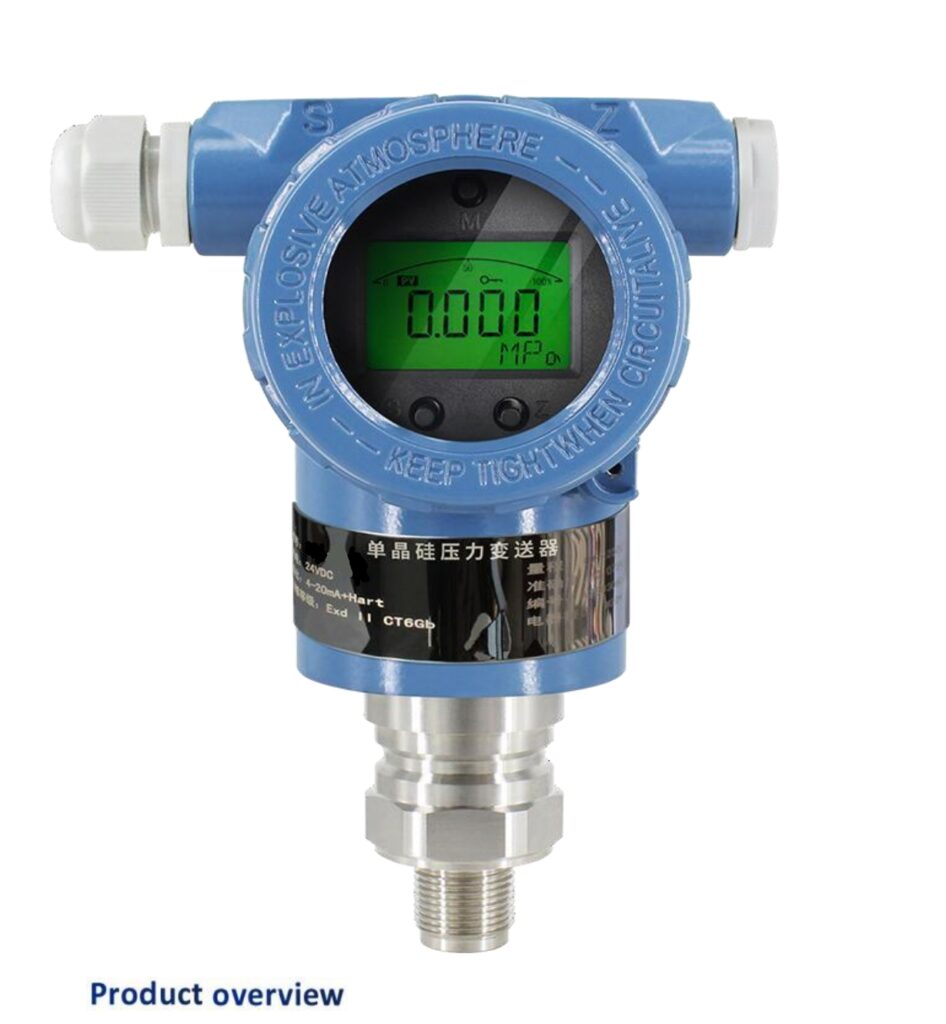
Pressure transmitters are foundational measuring instruments for industrial process control, widely used in power generation, petrochemical, hydrogen energy, and fluid monitoring systems. Monocrystalline silicon and diffused silicon transmitters are the two dominant mainstream types in the industrial market, differing significantly in chip structure, manufacturing technology, measurement performance, and environmental adaptability.
Accuracy Comparison of 0.05% vs 0.075% | Monocrystalline Silicon Pressure Transmitter
Monocrystalline silicon pressure transmitters are widely applied in high-precision industrial measurement, energy chemical, and safety interlock systems, with full-scale accuracy serving as one of the core indicators determining measurement reliability and system control precision. 0.05% FS and 0.075% FS are the two most mainstream accuracy grades for high-end monocrystalline silicon transmitters in the industrial field.

