

Intrinsically safe explosion-proof pressure transmitters
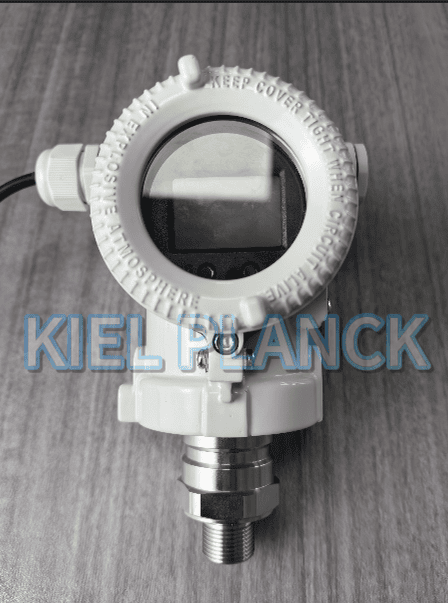
Hydrogen refueling stations and high-pressure hydrogen storage tanks belong to typical flammable and explosive hazardous working scenarios, where pressure monitoring accuracy and intrinsic safety performance directly determine system operational safety. Hydrogen features extremely low ignition energy, strong permeability and wide explosive limit range, making conventional industrial pressure transmitters unable to meet site safety specifications.
Instrumentation for water electrolysis hydrogen production equipment
Water electrolysis hydrogen production is a core green hydrogen manufacturing technology, featuring clean reaction processes, low pollution, and high purity hydrogen output, which has been widely promoted in new energy and industrial decarbonization fields. Pressure monitoring is a key link in the safe and stable operation of water electrolysis equipment, as pressure fluctuations directly affect electrolysis efficiency, hydrogen-oxygen separation safety, and unit operational stability.
How to select a pressure transmitter for a hydrogenation unit?
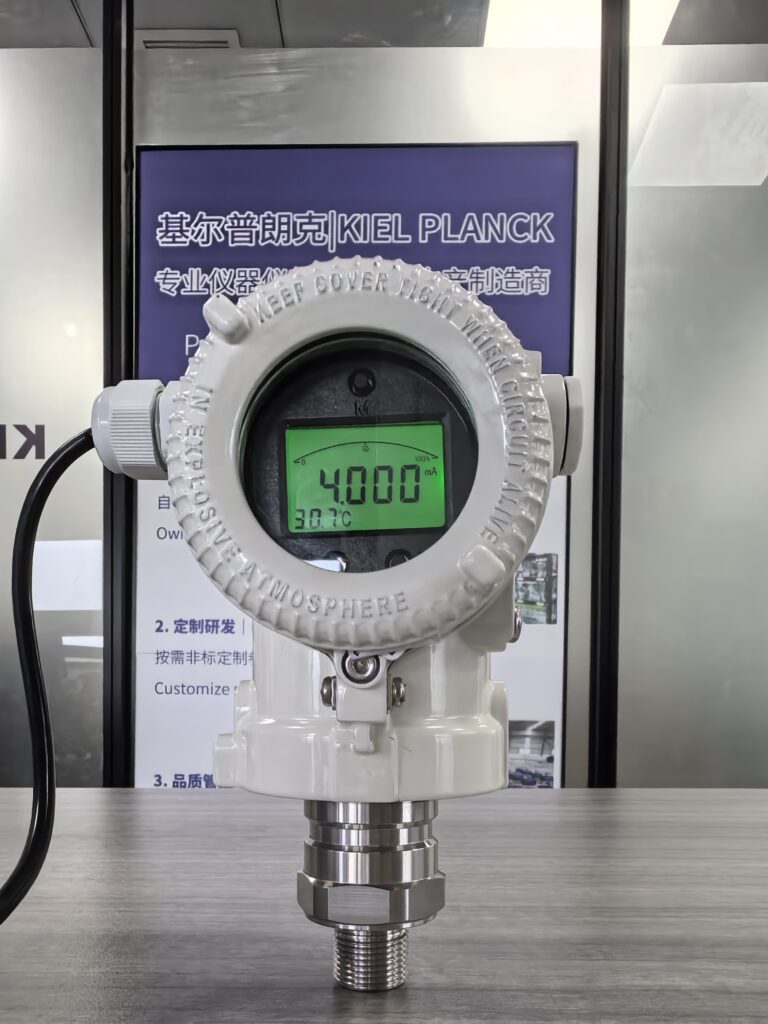
Hydrogenation units are core facilities in petrochemical and refining industries, operating under extreme working conditions of high pressure, high temperature, flammable hydrogen medium, and trace corrosive impurities.
Procurement Guide for Safety-Grade Instruments in Thermal Power, Nuclear Power, and Thermoelectric Power Plants
Safety‑grade pressure measurement instruments are critical components to guarantee stable operation, interlock protection and accident response for thermal power, nuclear power and thermoelectric power plants. Monocrystalline silicon pressure transmitters stand out for high measurement accuracy, outstanding long‑term stability and strong anti‑interference capability, and are widely adopted in boiler systems, steam pipelines, reactor auxiliary loops and thermal‑electric heat‑exchange units of power stations.
Pressure measurement safety in hydrogen environments
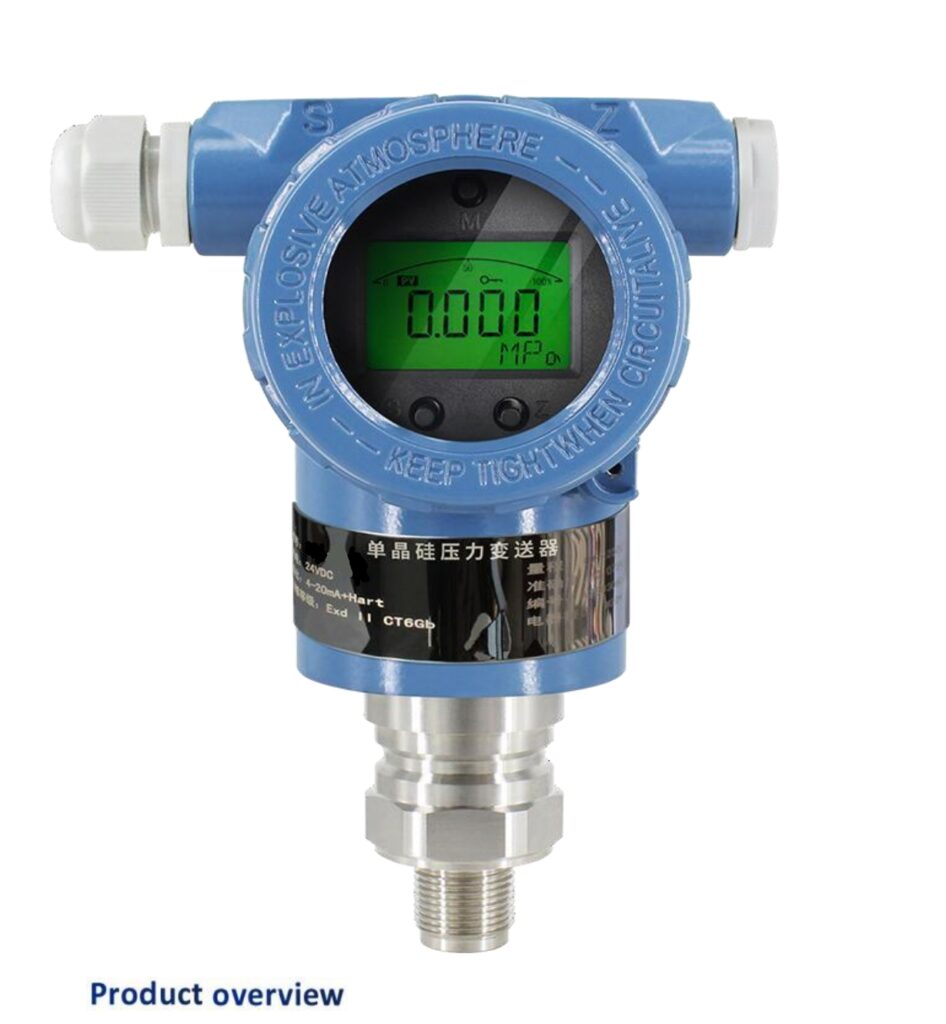
High-pressure hydrogen systems are widely deployed in hydrogen refueling stations, hydrogen storage equipment and petrochemical hydrogenation units, where precise and safe pressure measurement is critical to system operational stability.
The role of pressure transmitters in interlocking protection of hydrogenation units and key points for procurement verification
High-pressure hydrogenation units belong to high-risk petrochemical production facilities with extreme operating conditions of high temperature, high pressure, flammable hydrogen medium and continuous cyclic operation. Interlocking protection systems are the core safety barriers to prevent overpressure accidents, equipment damage and unit runaway failures, while pressure transmitters act as the primary signal acquisition components of interlocking logic.
Selection Guide for Pressure Transmitters in Continuous Hydrogenation Units
Continuous hydrogenation units are core production facilities in the petrochemical and fine chemical industries, operating under long-term continuous operation, high pressure, high temperature, and hydrogen-rich corrosive environments.
Intelligent pressure transmitters in petrochemical slurry bed residue hydrotreating units
Slurry bed residue hydrotreating technology is a core deep processing method for heavy crude oil and residual oil in the petrochemical industry, which can effectively convert low-value heavy residue into high-quality clean oil products.
Hydrogen-specific pressure transmitter
As clean hydrogen energy gains widespread adoption in transportation and industrial fields, high-precision and high-reliability pressure monitoring has become a core guarantee for the safe operation of hydrogen systems. Ordinary industrial pressure transmitters are prone to measurement failure and structural damage in hydrogen environments due to hydrogen embrittlement, gas permeation and extreme pressure fluctuations.

