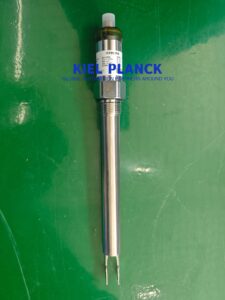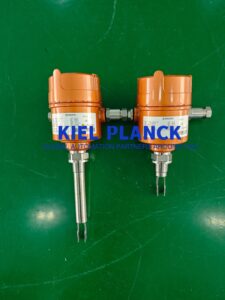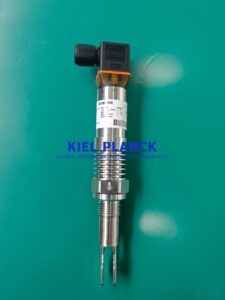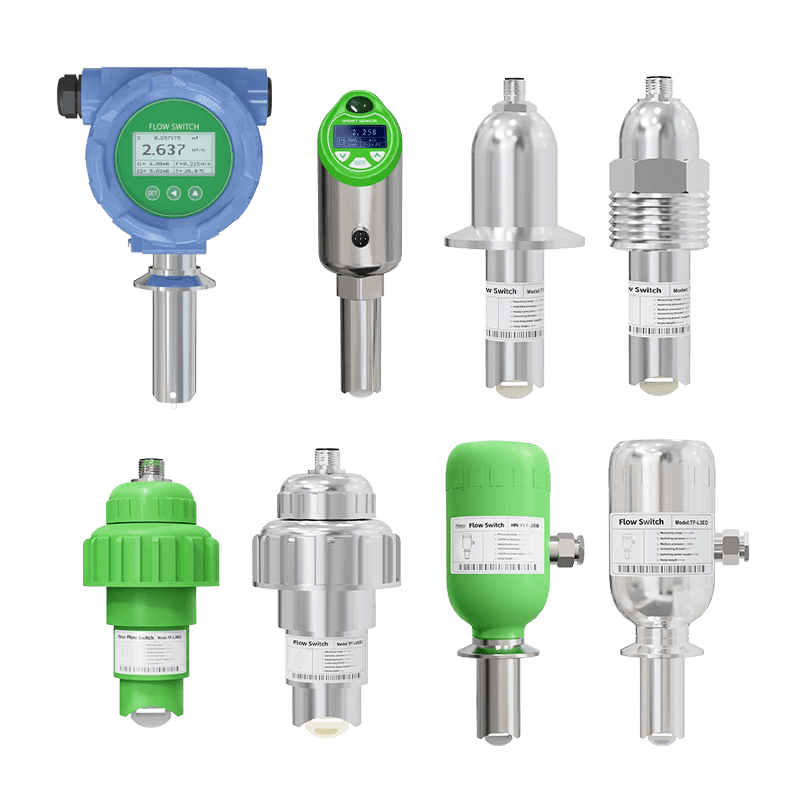
Traditional flow measurement instruments suffer from obvious temperature drift, poor micro‑flow resolution and short‑term performance attenuation under hydrogen working conditions, which cannot satisfy the requirements of stable process control and metering traceability for large‑scale hydrogen projects. Monocrystalline silicon flow meters adopt high‑stability monocrystalline silicon sensing chips, featuring low hysteresis, excellent temperature adaptability and high sensitivity to weak differential‑pressure signals. This paper analyzes industry measurement pain points across the hydrogen production‑storage chain, illustrates the core technical strengths of monocrystalline silicon flow meters, and discusses their practical application value for hydrogen energy industrialization under the 15th Five‑Year Plan framework. It provides references for instrument selection and process optimization of green‑hydrogen projects.</p><h2 id=”5″>Introduction</h2>
<p id=”6″>Driven by dual‑carbon goals, the 15th Five‑Year Plan marks a critical turning point for China’s hydrogen energy industry, shifting from demonstration‑oriented pilot construction to large‑scale industrial promotion. Green hydrogen produced by renewable energy electrolysis will realize capacity expansion, while supporting facilities including high‑pressure hydrogen storage equipment and long‑distance hydrogen delivery pipelines will be constructed intensively. Accurate and reliable flow measurement acts as the technical foundation for electrolyzer efficiency evaluation, hydrogen storage safety monitoring, material balance statistics and hydrogen product metering. However, hydrogen’s special physical properties create great difficulties for field measurement. Conventional measuring devices are prone to data jitter under variable pressure and temperature, which may cause hidden risks such as inaccurate yield statistics and unrecognized leakage loss. Therefore, high‑performance flow‑measuring instruments become indispensable hardware support for the whole hydrogen‑energy industrial chain.</p><h2 id=”7″>Measurement Pain Points in Hydrogen Production and Storage Links</h2>
<p id=”8″>In hydrogen‑production workshops, electrolyzers generate hydrogen under dynamic load conditions with frequent flow fluctuation, including plenty of micro‑flow working conditions during startup‑shutdown and load adjustment phases. Most traditional meters fail to capture tiny flow changes accurately, resulting in distorted efficiency calculation of electrolysis stacks. In high‑pressure hydrogen storage stations, hydrogen gas goes through compression and buffering processes, with operating pressure varying widely. Medium density changes sharply with pressure and temperature, and many volumetric flow meters need complex compensation algorithms, introducing extra measurement uncertainty. Besides, hydrogen embrittlement and vibration interference on‑site raise higher requirements for sensor long‑term stability. Many existing instruments show obvious zero‑point drift after one‑to‑two‑year operation, demanding frequent on‑site calibration and increasing operation‑maintenance costs. For storage‑tank monitoring, real‑time flow data is essential for boil‑off gas statistics and safety early warning, yet common meters cannot balance high‑precision performance under both small‑flow and large‑flow scenarios.</p><h2 id=”9″>Core Advantages of Monocrystalline Silicon Flow Meters for Hydrogen Scenarios</h2>
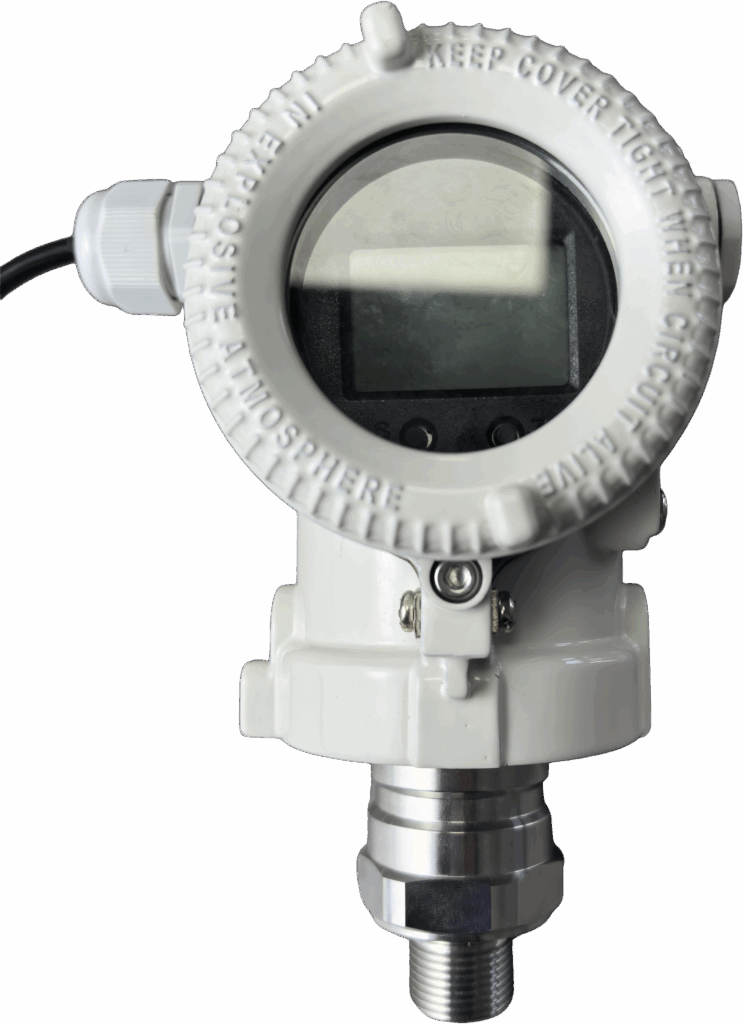
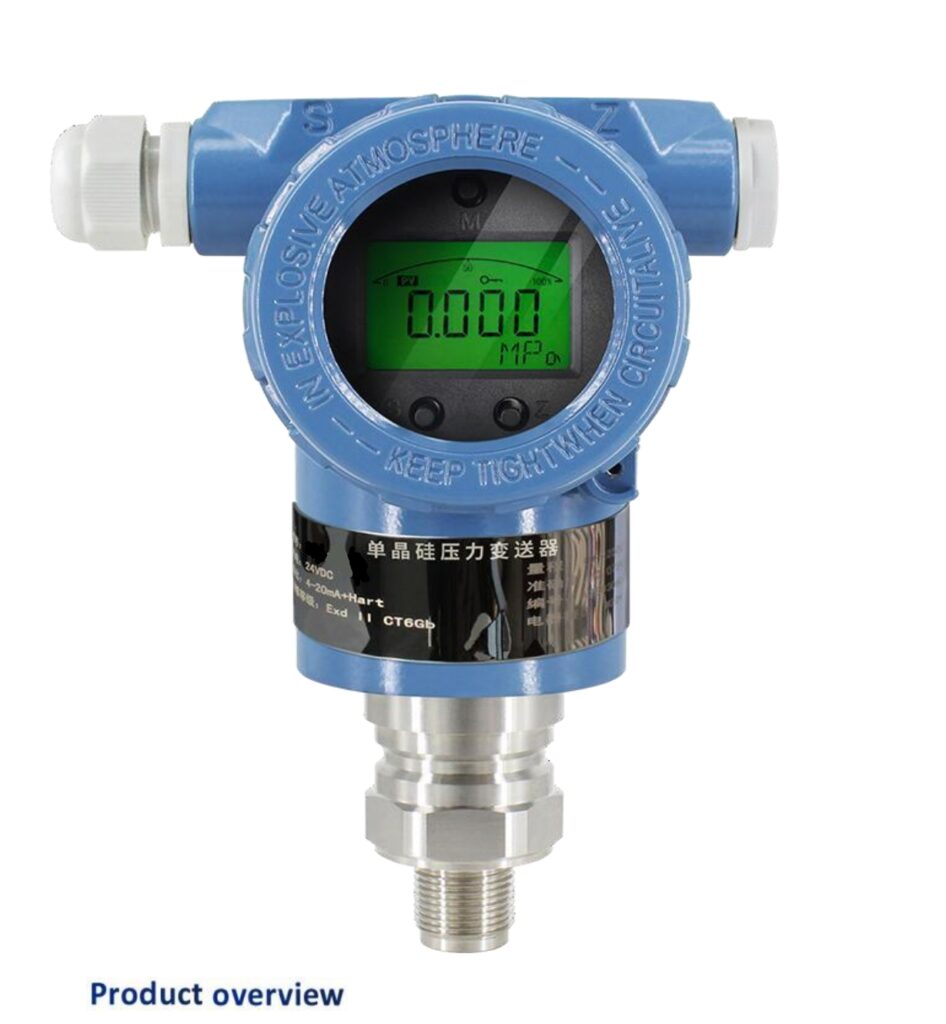
<p id=”10″>Monocrystalline silicon flow meters realize flow measurement by detecting differential‑pressure signals, taking full advantage of monocrystalline silicon sensor material characteristics. Its complete lattice structure brings extremely low mechanical hysteresis and minor long‑term drift, so measurement performance remains stable after long‑time cyclic pressure impact. Compared with diffused‑silicon sensing components, monocrystalline silicon chips deliver superior wide‑temperature performance, effectively restraining zero‑point deviation caused by ambient temperature swing, which adapts well to outdoor hydrogen‑storage station environments with large temperature differences. Meanwhile, the sensor owns high signal sensitivity, enabling precise identification of weak differential‑pressure signals generated by micro‑hydrogen flow, covering low‑flow monitoring during electrolyzer startup and standby periods. Optimized structural design strengthens resistance to hydrogen embrittlement, and the whole device meets explosion‑proof requirements for hydrogen‑related hazardous zones. Connected with industrial IoT systems, monocrystalline silicon flow meters upload real‑time flow data to upper‑platforms, supporting remote monitoring, abnormal‑condition early warning and digital‑management demands of hydrogen‑energy projects.</p><h2 id=”11″>Practical Value in the 15th Five‑Year‑Plan Hydrogen‑Energy Industrial Chain</h2>
<p id=”12″>During the 15th Five‑Year period, numerous green‑hydrogen bases, hydrogen‑storage hubs and supporting infrastructure will be built nationwide. Monocrystalline silicon flow meters can be deployed across key nodes of the whole chain. In hydrogen‑production links, they assist electrolyzer system optimization, improving the accuracy of hydrogen‑yield statistics and energy‑consumption analysis. For hydrogen‑storage processes, they monitor gas inflow‑outflow of high‑pressure tanks, helping operators judge tank working status and calculate hydrogen loss. In hydrogen‑transmission pipelines, stable flow‑meter output guarantees pipeline‑network balance analysis. As domestic hydrogen‑energy projects pursue cost reduction and efficiency improvement, high‑stability measuring instruments can lower calibration frequency and reduce overall lifecycle cost of projects. With the continuous iteration of monocrystalline‑silicon‑sensor manufacturing technology, such flow meters will play a bigger role in supporting the large‑scale, high‑quality development of hydrogen‑energy industry.</p><h2 id=”13″>Conclusion</h2>
<p id=”14″>Under the 15th Five‑Year Plan, hydrogen energy becomes an important new growth driver for China’s low‑carbon energy transformation. Complex working conditions of hydrogen production and storage put forward strict standards for flow‑measuring accuracy, stability and anti‑interference capacity. Monocrystalline silicon flow meters solve multiple typical measurement pain points of hydrogen scenarios relying on material‑level advantages of monocrystalline silicon sensors, delivering reliable metering support for electrolyzer production monitoring, hydrogen‑storage‑tank safety management and pipeline‑flow‑data statistics. While the hydrogen‑energy industry keeps expanding, instrument enterprises still need to promote further customization for hydrogen‑specific working conditions and improve product certification systems.
Scan the QR code to receive more detailed information.