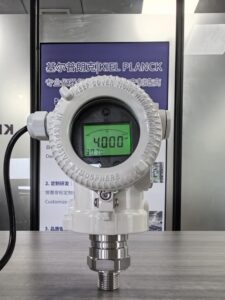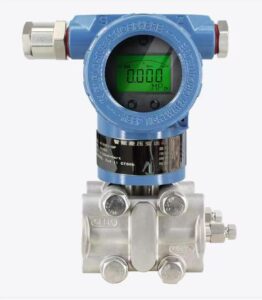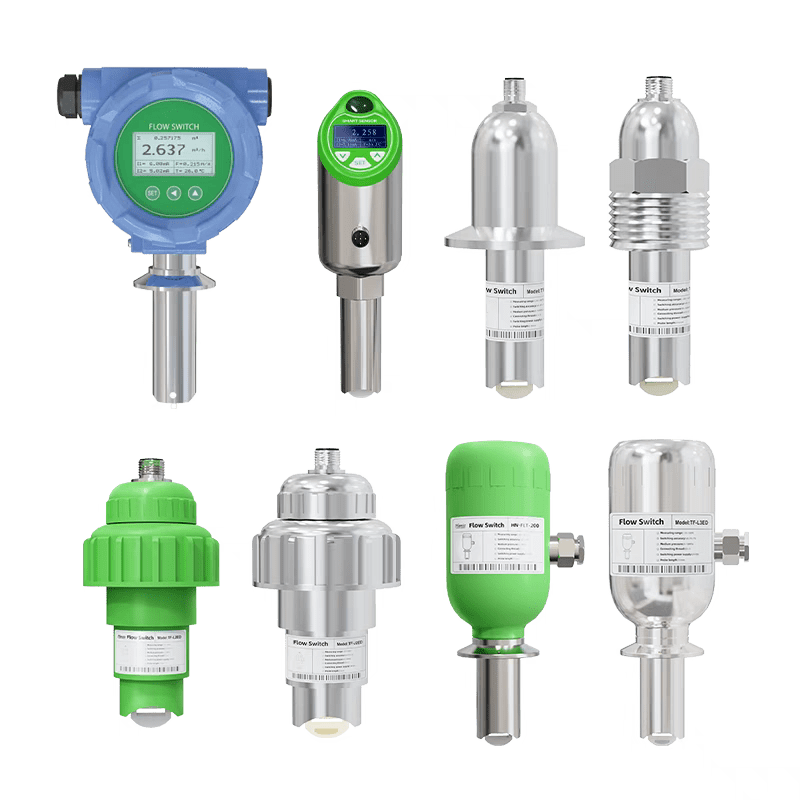
The industrial instrumentation market is highly competitive.
Pressure transmitters, flowmeters, level instruments, and temperature sensors are available from manufacturers at different price levels.
When buyers compare similar products, price often becomes an important factor.
But industrial equipment is not an ordinary consumer product. An instrument may operate continuously for years and directly affect production efficiency, process control, and equipment safety.
The real question is not simply how much an instrument costs, but how much it costs throughout its service life.
1. Purchase Price Is Only the Beginning
Consider two pressure transmitters.
One has a lower purchase price, while the other costs slightly more but offers better manufacturing consistency and technical support.
If the lower-priced transmitter requires frequent calibration, troubleshooting, or replacement, its total cost may eventually become higher.
The total cost of ownership includes:
Initial purchase price.
Installation costs.
Commissioning expenses.
Maintenance and calibration.
Spare parts.
Production downtime.
Replacement costs.
For industrial buyers, these factors should be considered together.
2. Long-Term Stability Matters
A pressure transmitter may provide accurate readings during initial commissioning but experience increasing measurement deviation over time.
Long-term stability is therefore an important selection parameter.
Buyers should request technical information about:
Long-term zero-point stability.
Span drift.
Temperature effects.
Repeatability.
Calibration intervals.
Performance under pressure fluctuations.
Manufacturers should support important performance claims with documented testing.
3. Manufacturing Consistency Reduces Risk
For equipment manufacturers, purchasing a single instrument is different from purchasing hundreds of units.
Batch consistency affects assembly, commissioning, and product quality.
A reliable manufacturer needs standardized production procedures, incoming material inspection, calibration systems, and final product testing.
Consistent manufacturing helps reduce unexpected problems after installation.
4. Service and Technical Support Also Matter
Even a well-designed instrument may require technical assistance.
For overseas customers, communication efficiency and spare-part availability can directly affect project schedules.
A dependable supplier should provide:
Clear technical documentation.
Timely engineering communication.
Product configuration support.
Installation guidance.
Warranty information.
After-sales assistance.
5. Comparing Purchase Price and Long-Term Value
| Factor | Short-Term Price Focus | Long-Term Value Focus |
|---|---|---|
| Purchase price | Highest priority | One consideration |
| Accuracy | Catalogue specification | Verified performance |
| Stability | Often overlooked | Important |
| Maintenance | Considered later | Evaluated in advance |
| Batch consistency | Limited attention | Essential |
| Technical support | Secondary | Important |
| Service life | Rarely evaluated | Key consideration |
6. A Better Way to Compete
The future of instrumentation manufacturing should not depend entirely on lowering prices.
Manufacturers need to improve sensor technology, production processes, calibration accuracy, quality management, and customer service.
Buyers also need to evaluate suppliers based on measurable performance rather than promotional claims.
Conclusion
There may be no permanent winner in a price war, but manufacturers that consistently deliver reliable instruments can build long-term customer relationships.
A good instrument should not only work when it leaves the factory. It should continue delivering dependable measurement throughout its intended service life.
For industrial applications, reliability is not an extra feature. It is part of the product’s real value.
Contact us to discuss pressure measurement, flow measurement, and other industrial instrumentation requirements.
Scan the QR code to receive more detailed information.