Industrial instrumentation purchasing is changing.
Many equipment manufacturers and engineering companies are considering domestic alternatives to imported instruments to reduce procurement costs, shorten delivery times, and improve technical support.
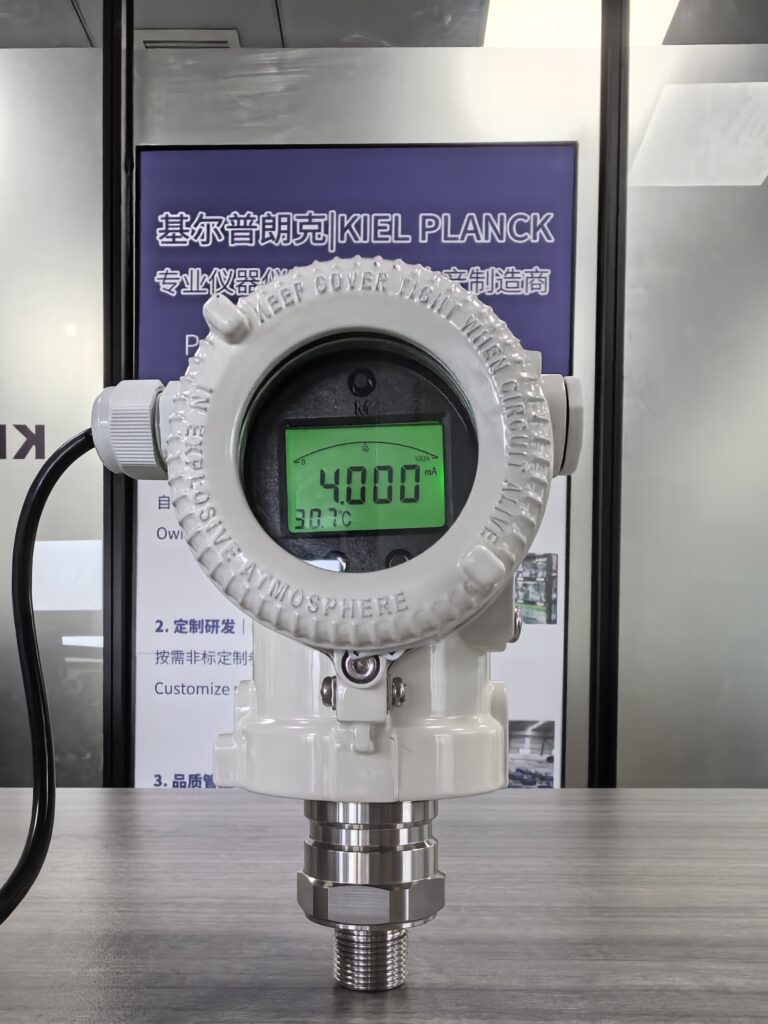
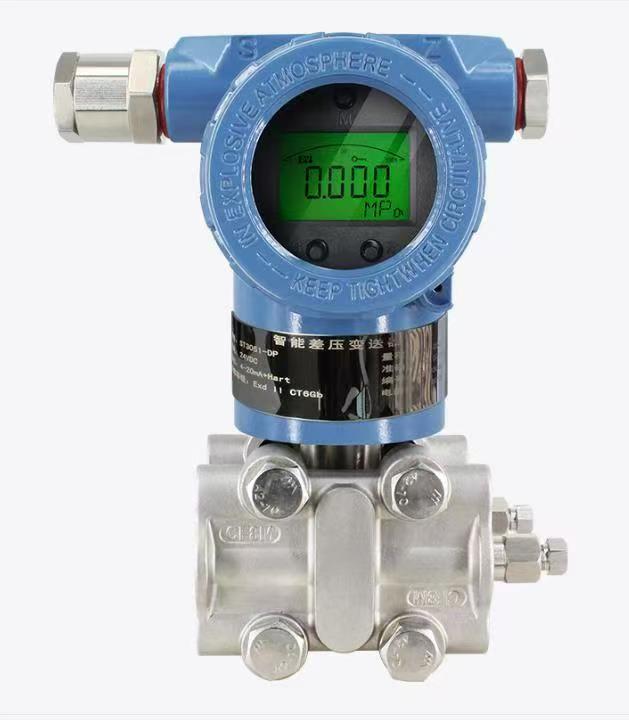
Single-crystal silicon measurement technology is one area receiving attention.
However, replacing an imported instrument should never be based on price alone. The most important question is whether the alternative can meet the actual process requirements.
1. Operating Condition One: General Industrial Water Systems
Water treatment equipment, circulation systems, and industrial water pipelines often require continuous flow measurement.
Typical requirements include:
Stable measurement under normal operating conditions.
Suitable measuring range.
Compatibility with the process medium.
Reliable output signals.
Convenient installation and maintenance.
For these applications, a domestic instrument may be a suitable alternative if its measuring performance, pressure rating, connection dimensions, and electrical interfaces meet the original system requirements.
Buyers should compare actual calibration results rather than relying exclusively on catalogue accuracy.
2. Operating Condition Two: Chemical Process Equipment
Chemical applications may involve corrosive liquids, temperature fluctuations, pressure changes, and demanding operating environments.
In these conditions, material compatibility becomes particularly important.
Before replacing an imported instrument, evaluate:
Wetted material compatibility.
Seal and gasket materials.
Operating pressure and temperature.
Corrosion resistance.
Required certifications.
Long-term measurement stability.
A lower-priced instrument may become more expensive if it requires frequent maintenance or replacement.
3. Operating Condition Three: High-Pressure Industrial Systems
High-pressure applications require more careful engineering evaluation.
Important parameters include:
Maximum operating pressure.
Pressure fluctuations.
Overpressure conditions.
Mechanical strength.
Connection standards.
Pressure-containing component certification where applicable.
A transmitter’s measurement range should not be confused with its maximum allowable pressure.
The complete assembly must be suitable for the intended application.
4. A Practical Replacement Evaluation Table
| Evaluation Item | What Buyers Should Verify |
|---|---|
| Measurement range | Same as or suitable for the original process |
| Accuracy | Verified test results |
| Repeatability | Consistent readings |
| Stability | Long-term drift performance |
| Pressure rating | Maximum allowable working pressure |
| Materials | Compatibility with the medium |
| Connections | Dimensions and standards |
| Output | 4–20 mA, HART or other required signals |
| Certification | Project and market requirements |
| After-sales service | Spare parts and technical support |
5. How to Conduct a Proper Replacement Test
A practical replacement project should include three stages.
Stage One: Laboratory verification
Compare measurement results, repeatability, linearity, and response under controlled conditions.
Stage Two: Pilot installation
Install the domestic instrument at a representative measurement point and monitor its performance under real operating conditions.
Stage Three: Long-term evaluation
Record drift, maintenance frequency, fault rates, and operating stability over an appropriate evaluation period.
This approach provides more meaningful evidence than a short demonstration test.
Conclusion
Chinese-made industrial instruments can be competitive alternatives to imported products when their performance and engineering compatibility meet the application requirements.
However, replacement decisions should be supported by actual test reports, installation verification, and long-term operating data.
There is no universal answer for every project. The best replacement is the instrument that delivers reliable measurement, suitable certification, manageable maintenance, and consistent performance.
Contact our technical team to discuss your application and evaluate a suitable domestic instrumentation solution.
Scan the QR code to receive more detailed information.