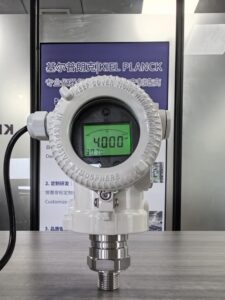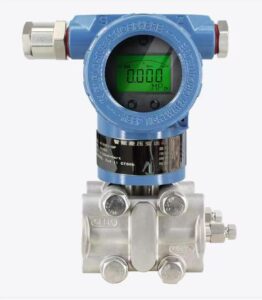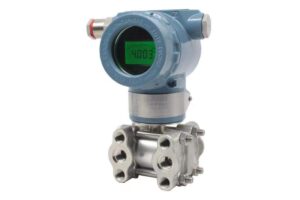
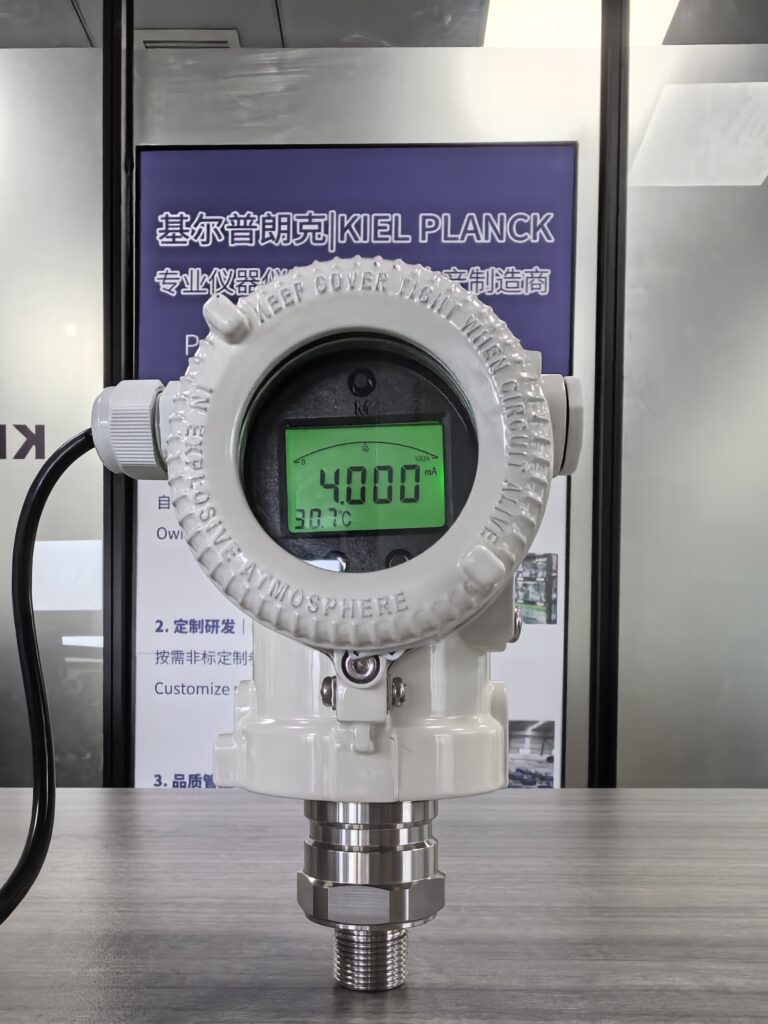
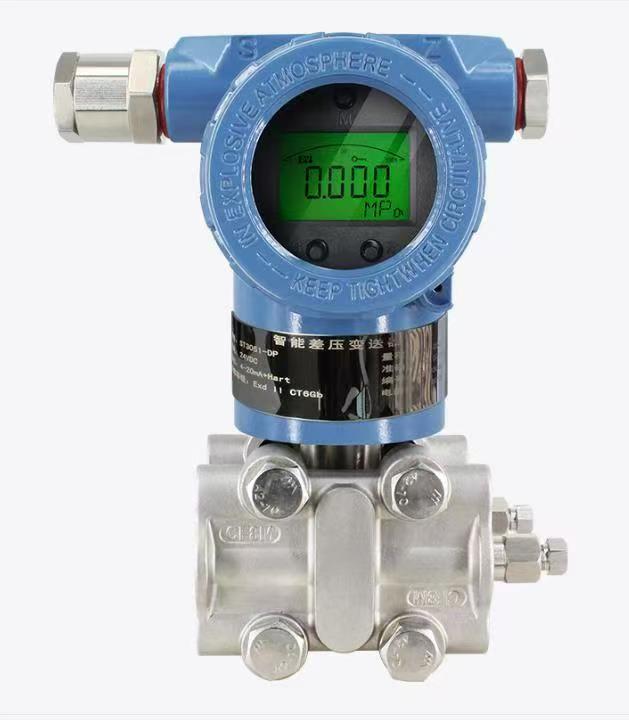
Single-crystal silicon pressure transmitters are increasingly used in demanding industrial applications.
Many manufacturers describe their products as high-precision, highly stable, and reliable. However, sharing the same sensor technology does not mean two transmitters will deliver identical measurement performance.
So, where do the differences come from?
1. Sensor Quality
The sensing element is the foundation of a pressure transmitter.
Different manufacturers may use different sensor structures, materials, production processes, and quality standards.
Important factors include:
Sensor consistency.
Sensitivity.
Temperature characteristics.
Mechanical strength.
Long-term stability.
A high-quality sensing element provides a better foundation, but it does not guarantee that the complete transmitter will achieve the same performance.
2. Mechanical Structure and Isolation Diaphragm
The isolation diaphragm separates the process medium from the internal sensing system.
Its material, thickness, geometry, and manufacturing quality influence the transmitter’s performance.
For corrosive or high-temperature applications, diaphragm material and compatibility with the process medium are especially important.
Poor structural design can lead to measurement deviations, leakage, or premature product failure.
3. Temperature Compensation
Temperature changes can affect sensor output.
A well-designed pressure transmitter needs effective temperature compensation to reduce measurement errors across its specified operating range.
When comparing manufacturers, buyers should ask for:
Zero temperature effect.
Span temperature effect.
Operating temperature range.
Temperature compensation method.
Supporting test reports.
A single accuracy figure cannot fully describe temperature performance.
4. Electronic Design and Signal Processing
The electronic circuit converts the sensor signal into a usable output.
Signal conditioning, filtering, analog-to-digital conversion, and compensation algorithms all influence the final measurement.
A reliable transmitter should maintain stable output under normal industrial electrical conditions and provide appropriate protection against interference.
5. Calibration and Manufacturing Consistency
Calibration is another important difference between manufacturers.
A manufacturer should have documented procedures for checking zero point, span, linearity, repeatability, and overall accuracy.
For batch purchasing, consistency between different production units is particularly important.
A product that performs well in a single sample is not necessarily a product that maintains consistent performance across hundreds of units.
6. What Should Buyers Compare?
| Evaluation Item | What to Check |
|---|---|
| Sensor | Structure and consistency |
| Accuracy | Complete accuracy specification |
| Temperature | Zero and span temperature effects |
| Stability | Long-term drift data |
| Overload | Rated and allowable overload |
| Protection | IP rating and electrical protection |
| Calibration | Individual calibration records |
| Quality | Batch inspection procedures |
| Service | Technical support and warranty |
Conclusion
The phrase “single-crystal silicon” describes a sensing technology, not a complete quality standard.
Real differences come from sensor manufacturing, mechanical engineering, electronic design, temperature compensation, calibration, and quality management.
When selecting a pressure transmitter, buyers should look beyond product labels and compare technical documentation, test results, and manufacturing consistency.
A reliable manufacturer should be able to explain not only what technology it uses, but also how it controls the performance of every finished product.
Contact us to learn more about our single-crystal silicon pressure transmitter solutions.
Scan the QR code to receive more detailed information.