When purchasing an intelligent pressure transmitter, buyers usually have three main concerns:
Is the product reliable? Is the price reasonable? Can the supplier provide timely technical support?
These questions are especially important for international equipment manufacturers and industrial distributors.
A pressure transmitter may have similar specifications across different brands, but the actual product configuration, manufacturing quality, and service capability can vary significantly.
1. What Makes a Pressure Transmitter Cost-Effective?
A cost-effective transmitter is not simply the cheapest product.
Its value should be evaluated through several factors:
Measurement performance: Accuracy, repeatability, and stability should meet the application requirements.
Product configuration: The pressure range, process connection, output signal, and material should match the equipment design.
Manufacturing consistency: Products from different batches should maintain consistent performance.
Technical support: The manufacturer should provide assistance with selection, configuration, and installation.
After-sales service: Warranty and replacement arrangements should be clearly defined.
2. What Is an Intelligent Pressure Transmitter?
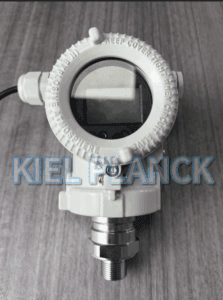
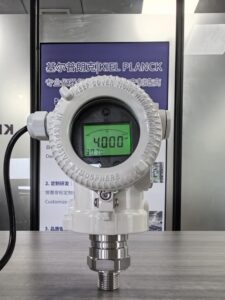
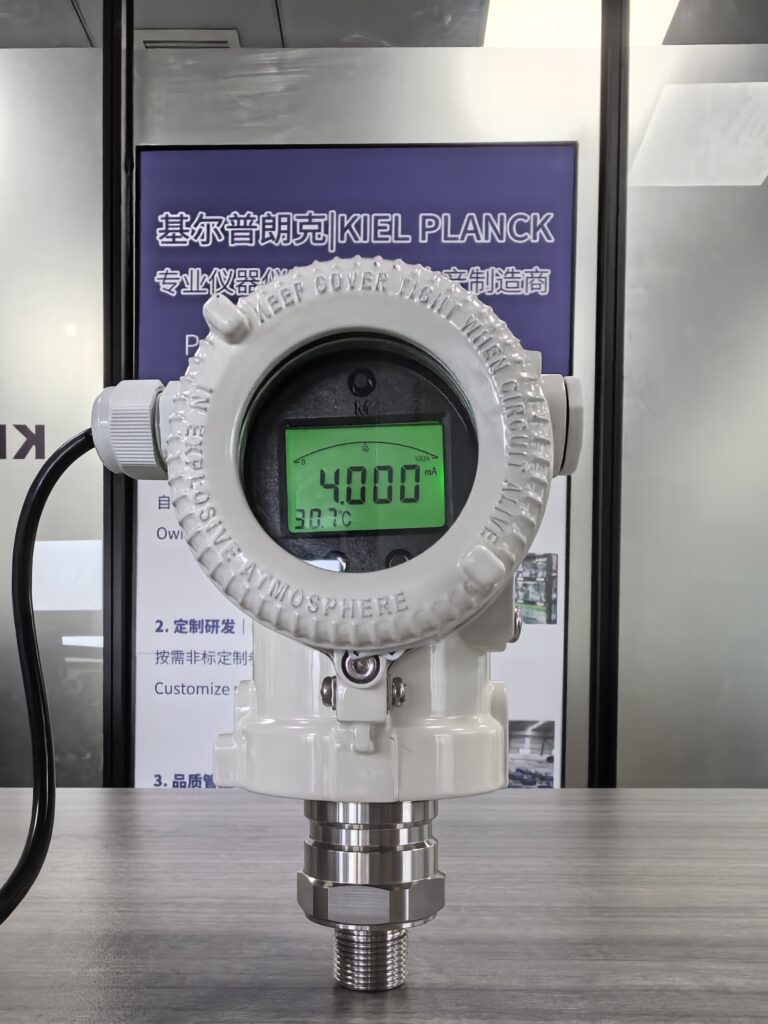
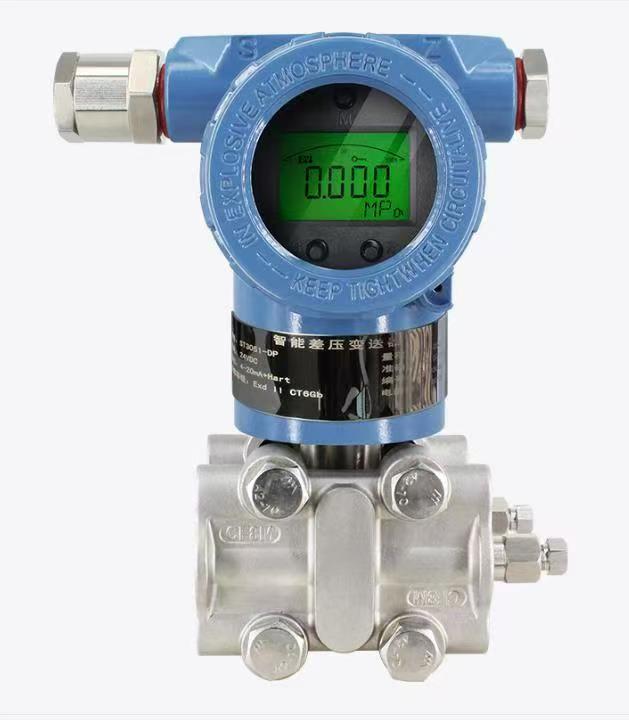
An intelligent pressure transmitter combines a pressure sensing element with electronic signal processing and configuration functions.
Depending on the model, features may include:
4–20 mA output.
HART communication.
Digital configuration.
Zero and span adjustment.
Local display.
Diagnostic functions.
Not every transmitter includes all these functions, so buyers should confirm the exact configuration before ordering.
3. Which Technical Specifications Should Buyers Compare?
| Parameter | Why It Matters |
|---|---|
| Measurement range | Determines application suitability |
| Accuracy | Determines measurement uncertainty |
| Long-term stability | Supports continuous operation |
| Overload rating | Protects against abnormal pressure |
| Process connection | Ensures installation compatibility |
| Output signal | Determines system integration |
| Protection rating | Matches the installation environment |
| Certification | Meets project requirements |
4. What Determines the Price?
The price of an intelligent pressure transmitter depends on more than its sensing technology.
Important factors include:
Sensor type.
Measurement range.
Accuracy grade.
Housing material.
Wetted materials.
Process connection.
Display and communication options.
Explosion-proof configuration.
Diaphragm seal requirements.
Order quantity.
For example, a standard industrial pressure transmitter and a customized transmitter with a remote diaphragm seal may have significantly different production costs.
5. How to Compare Supplier Quotations
When requesting quotations, provide the same technical requirements to every supplier.
Ask each manufacturer to quote the same:
Measurement range.
Accuracy requirement.
Output signal.
Process connection.
Wetted materials.
Certification requirements.
Quantity and delivery schedule.
This makes price comparisons more meaningful.
6. Is a Lower-Priced Supplier Always Better?
Not necessarily.
A low quotation may exclude calibration documentation, special materials, technical support, or additional testing.
Buyers should compare the complete supply scope rather than only the unit price.
For long-term projects, delivery reliability and spare-part availability can also affect total procurement costs.
Conclusion
A good single-crystal silicon pressure transmitter supplier should offer a balance of technical performance, reasonable pricing, manufacturing consistency, and dependable service.
There is no single price suitable for every pressure transmitter because product configuration and project requirements differ.
For an accurate quotation, provide your required measurement range, accuracy, process connection, output signal, and operating conditions. Our team can help evaluate a suitable intelligent pressure transmitter solution.
Scan the QR code to receive more detailed information.