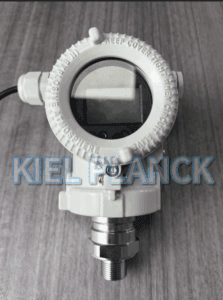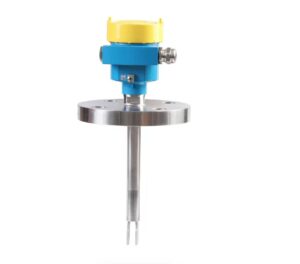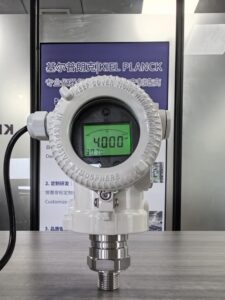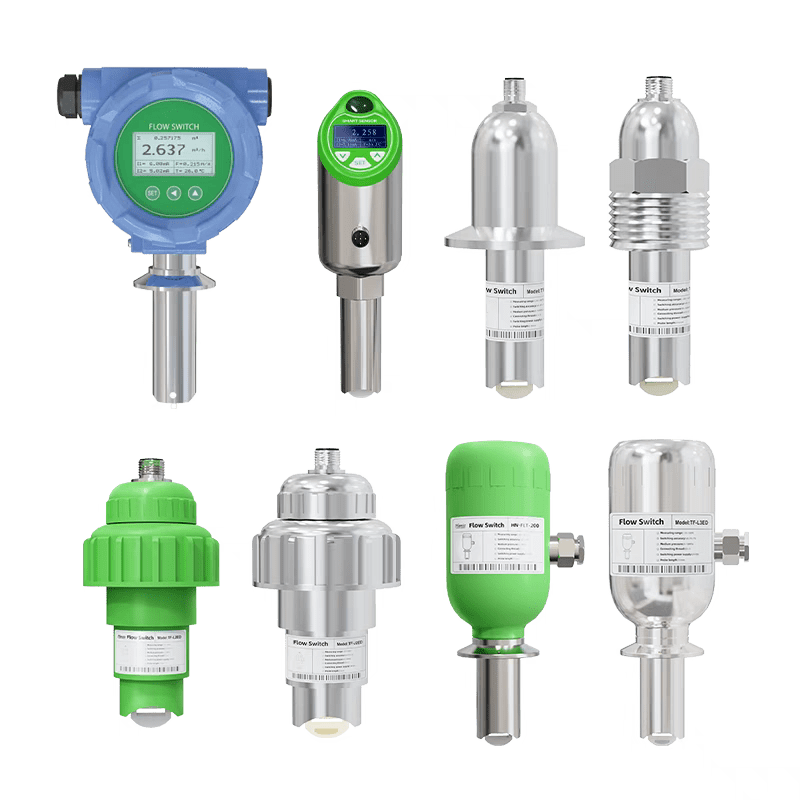
High-accuracy pressure transmitters are widely used in chemical processing, industrial automation, energy equipment, and precision measurement systems.
However, purchasing a high-performance instrument is only the beginning of the product lifecycle.
During installation and operation, customers may need assistance with configuration, calibration, signal problems, and abnormal measurement readings.
For international buyers, choosing a manufacturer with dependable technical support is therefore essential.
1. Why After-Sales Service Matters
A pressure transmitter may encounter different problems during operation.
Examples include:
Unstable output signals.
Zero-point deviation.
Incorrect measurement range settings.
Communication problems.
Installation-related measurement errors.
Process connection leakage.
Not every problem indicates a product defect.
Sometimes the cause is incorrect wiring, unsuitable installation, or incorrect configuration.
A professional technical support team should help identify the possible cause before recommending a solution.
2. What Does Good Technical Response Look Like?
A reliable supplier should have a clear communication process.
Important service capabilities include:
Technical communication: Engineers should understand the customer’s process conditions and product configuration.
Troubleshooting guidance: The supplier should help customers check wiring, configuration, pressure connections, and signal output.
Documentation: Wiring diagrams, installation instructions, and configuration manuals should be available.
Replacement support: If a product is confirmed to have a manufacturing defect, the supplier should explain the repair or replacement procedure.
3. How to Evaluate a Manufacturer’s Service Capability
Before purchasing, ask:
Is technical support available in English?
Can engineers assist with product selection?
Are installation instructions provided?
Is remote troubleshooting available?
What is the warranty period?
Are spare parts available?
What is the process for handling product complaints?
Buyers should also ask whether the supplier has experience supporting overseas equipment manufacturers.
4. Warranty Is Not the Same as Complete Maintenance Support
Warranty policies generally cover specified product defects under defined conditions.
They do not necessarily cover incorrect installation, unsuitable process media, improper operation, or unauthorized modifications.
Therefore, buyers should review the complete warranty terms.
For important projects, clarify the expected technical response arrangements and replacement responsibilities in the purchasing contract.
5. A Practical Service Evaluation Table
| Service Item | What to Confirm |
|---|---|
| Technical response | Communication channels and response arrangements |
| Selection support | Assistance with technical specifications |
| Installation | Manuals and wiring guidance |
| Troubleshooting | Diagnostic procedures |
| Warranty | Coverage and exclusions |
| Spare parts | Availability and delivery |
| Product replacement | Claims and verification procedures |
6. Why Manufacturers Need Better Service Systems
For industrial instrumentation manufacturers, after-sales service is part of product quality.
A well-organized service process helps reduce misunderstandings, improve customer experience, and build long-term relationships.
It also allows manufacturers to collect field feedback and improve future product designs.
Conclusion
When selecting a high-accuracy pressure transmitter in 2026, buyers should evaluate more than measurement specifications.
Technical response, troubleshooting capability, warranty conditions, and spare-part availability all contribute to the real value of a supplier.
A reliable manufacturer should not disappear after delivering the product. It should remain available to provide reasonable technical assistance throughout the agreed service period.
Contact our team to discuss product selection, technical documentation, and after-sales support for your pressure measurement projects.
Scan the QR code to receive more detailed information.