Cost-Effective Single-Crystal Silicon Pressure Transmitter Manufacturer: Why Consider Kielplank? - Kiel Planck
  • Home
        • New Product

          Cost-Effective Single-Crystal Silicon Pressure Transmitter Manufacturer: Why Consider Kielplank? - Kiel Planck

          There is a solution for every application. Let’s work together to find the right solution for you.

          Your benefits

          We use our experience to move your project forward.

          PHONE: 400-8868-261

          E-mail: info@kielplanckprc.com / kielplanck@outlook.com

  • Application
  • Service
  • Brand
  • Blog
  • Contact Us

Cost-Effective Single-Crystal Silicon Pressure Transmitter Manufacturer: Why Consider Kielplank?

Cost-Effective Single-Crystal Silicon Pressure Transmitter Manufacturer: Why Consider Kielplank?

In industrial procurement, price is important, but product reliability and supplier capability are equally important.

Equipment manufacturers need pressure transmitters that match their technical specifications, maintain consistent performance, and integrate easily into their equipment.

For overseas buyers, a suitable Chinese manufacturer can also offer competitive procurement options and direct technical communication.

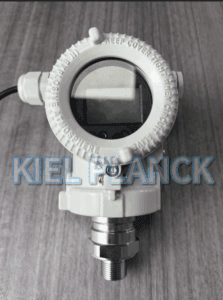
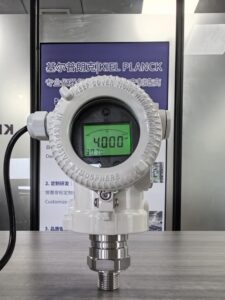
Kielplank Instrumentation is focused on industrial sensor and instrumentation products, including pressure transmitters, differential pressure transmitters, flowmeters, and level measurement instruments.

1. Why Choose a Specialized Instrument Manufacturer?

Working directly with a manufacturer can provide several purchasing advantages.

Product configuration: Buyers can communicate measurement ranges, process connections, and output requirements directly.

Technical communication: Product selection can be discussed with engineers who understand the instrument specifications.

Procurement coordination: Direct communication can simplify order confirmation and production follow-up.

Product range: Buyers sourcing multiple instrument categories may benefit from discussing pressure, flow, and level measurement requirements with one supplier.

Actual advantages depend on the manufacturer’s production capabilities and order requirements.

2. What Makes a Single-Crystal Silicon Pressure Transmitter Competitive?

A competitive product should offer suitable performance for its intended application.

Important technical factors include:

  • Measurement accuracy.

  • Long-term stability.

  • Temperature compensation.

  • Overload performance.

  • Repeatability.

  • Output signal.

  • Environmental protection.

Single-crystal silicon technology is one component of the product design. The complete transmitter’s performance also depends on mechanical structure, electronics, and manufacturing processes.

3. Quality Control Matters More Than Advertising

Customers should evaluate a manufacturer’s actual quality-control procedures.

Useful questions include:

  • Are products calibrated before delivery?

  • Are finished products inspected?

  • Can calibration records be provided?

  • Are production batches traceable?

  • Are technical specifications clearly documented?

For batch orders, buyers should also confirm whether inspection procedures are consistent across the production process.

4. A Broader Instrumentation Product Range

Industrial equipment manufacturers often need several types of measurement instruments.

Depending on their equipment design, they may require:

ProductTypical Application
Pressure transmitterPipeline and equipment pressure
Differential pressure transmitterFilter, flow, and level measurement
Electromagnetic flowmeterConductive liquid flow
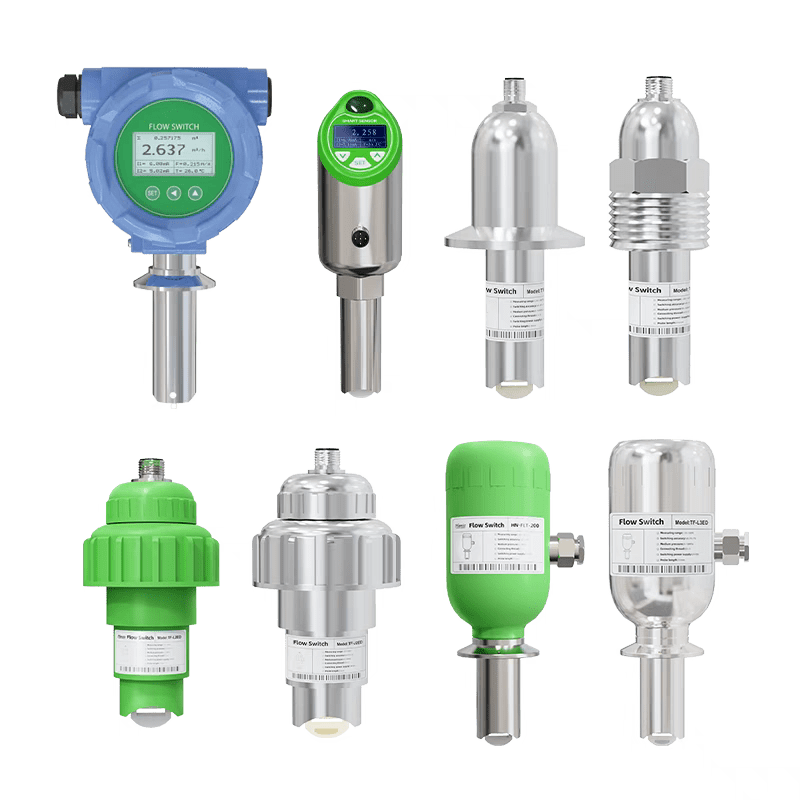
Turbine flowmeterSuitable clean-liquid flow measurement
Level transmitterTank and vessel level
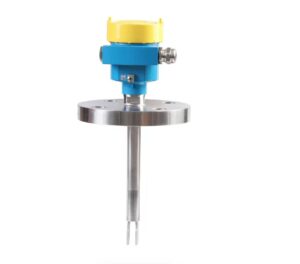
Level switchHigh- and low-level alarms

Using a supplier familiar with several measurement technologies can make technical communication more efficient.

5. How to Request a Quotation from Kielplank

To help us recommend a suitable model, provide the following information:

  • Product type.

  • Measurement range.

  • Required accuracy.

  • Process medium.

  • Temperature and pressure.

  • Process connection.

  • Output signal.

  • Quantity.

  • Destination country.

For customized products, drawings or existing instrument datasheets are also helpful.

6. Why Long-Term Customer Relationships Matter

Industrial instrument procurement is often repeated across different projects.

A supplier should aim to provide consistent product specifications, clear communication, and dependable order support.

Customer feedback can also help manufacturers improve product configurations and technical services.

Conclusion

Selecting a cost-effective single-crystal silicon pressure transmitter manufacturer involves more than comparing the lowest quotation.

Technical suitability, quality control, manufacturing capability, and service arrangements should all be considered.

Kielplank Instrumentation welcomes inquiries from overseas distributors, equipment manufacturers, engineering companies, and industrial end users.

Contact us to request product information, technical specifications, or a quotation for your next project.
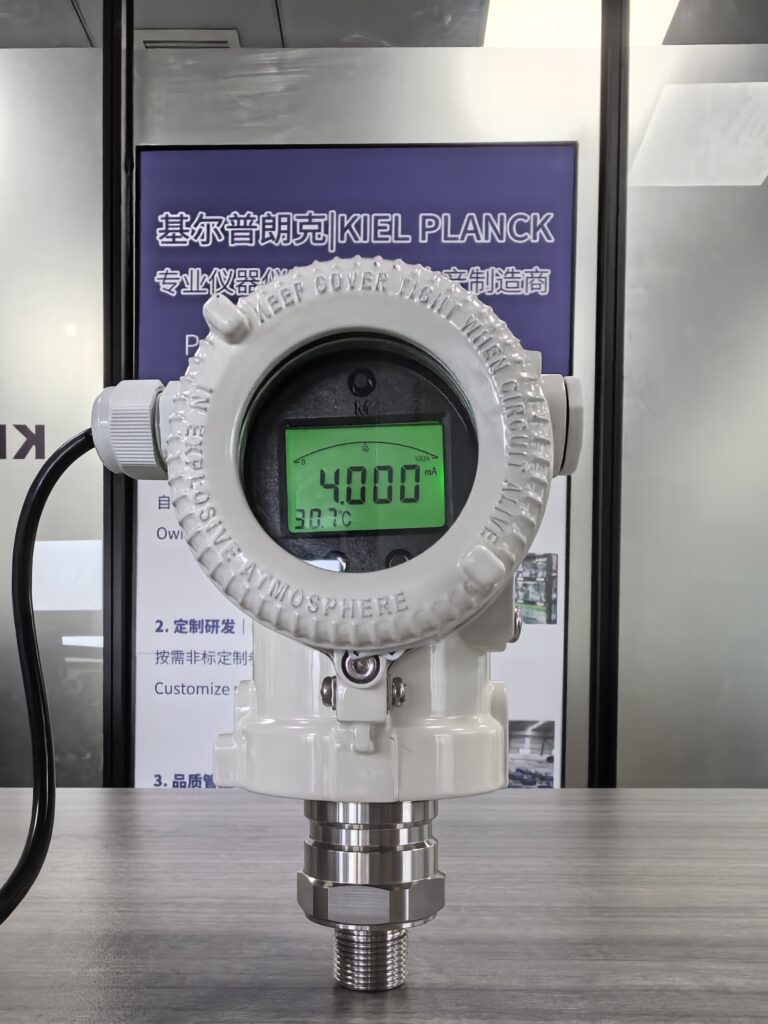
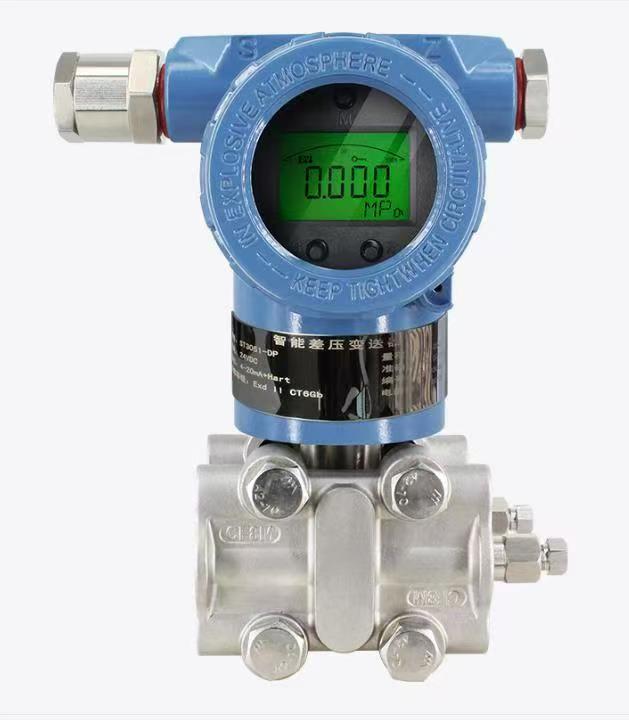
Cost-Effective Single-Crystal Silicon Pressure Transmitter Manufacturer: Why Consider Kielplank? - Kiel Planck

Scan the QR code to receive more detailed information.

Cost-Effective Single-Crystal Silicon Pressure Transmitter Manufacturer: Why Consider Kielplank? - Kiel Planck

Share:

More Posts

Hydrogen Growth in 2026: Where Are the Instrumentation Opportunities for Electrolyzer Manufacturers? - Kiel Planck

Hydrogen Growth in 2026: Where Are the Instrumentation Opportunities for Electrolyzer Manufacturers?

Hydrogen production and related equipment continue to attract attention from industrial manufacturers, engineering companies, and energy investors. As electrolyzer projects develop, equipment manufacturers must consider not only the stack itself but also the supporting systems required for stable operation.

Pressure transmitters, flowmeters, level switches, differential pressure instruments, and temperature sensors are important parts of these auxiliary systems. They support monitoring across water treatment, electrolysis, gas-liquid separation, hydrogen purification, compression, storage, and cooling.

This article examines the main instrumentation areas that electrolyzer manufacturers and hydrogen equipment integrators should review when developing equipment packages. Rather than assuming that every project has the same requirements, it focuses on practical measurement needs and procurement opportunities.

Three Levels of Protection Against Electrolyzer Dry Running and Liquid Overflow - Kiel Planck

Three Levels of Protection Against Electrolyzer Dry Running and Liquid Overflow

Liquid-level monitoring is an important part of many water electrolysis auxiliary systems. Water tanks, circulation vessels, gas-liquid separators, and collection tanks may all require level detection. Low liquid level can affect pump suction and water supply, while excessive liquid accumulation may interfere with separation or cause overflow.

A suitable level monitoring strategy can use low-level alarms, high-level alarms, and additional protective functions where required. Vibrating fork level switches are one possible option for point-level detection, while continuous level transmitters may be appropriate where ongoing measurement is needed.

Three Essential Instruments for Hydrogen Electrolyzer Circulation Pump Packages - Kiel Planck

Three Essential Instruments for Hydrogen Electrolyzer Circulation Pump Packages

Circulation pump packages are important auxiliary systems in many hydrogen production installations. They may circulate cooling water, process water, or other liquids required by the electrolyzer and associated equipment. Reliable pressure, flow, and level monitoring helps operators understand pump operating conditions and identify abnormal changes in the circulation system.

A typical instrument arrangement may include a pressure transmitter at the pump discharge, a flow switch or flowmeter in the circulation line, and a level switch or level transmitter on the supply tank. The exact configuration depends on the pump package design and process requirements.

This article explains the functions of these three key instruments and the main factors to consider when selecting them.

Send Us A Message

captcha
Reload

Bitte geben Sie die im CAPTCHA angezeigten Zeichen ein, um sicherzustellen, dass Sie ein Mensch sind.

Email
Email: info@kielplanckprc.com
WhatsApp
WhatsApp Me