1. Introduction
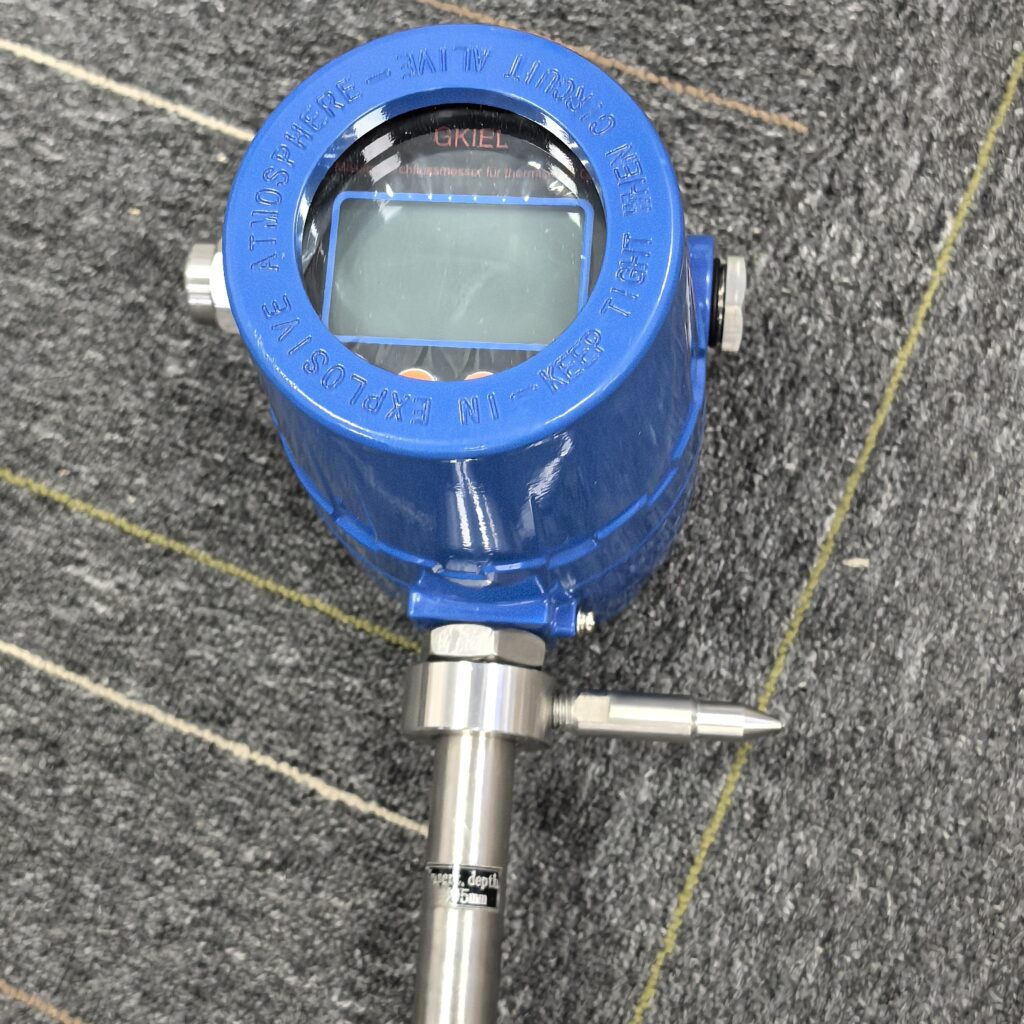
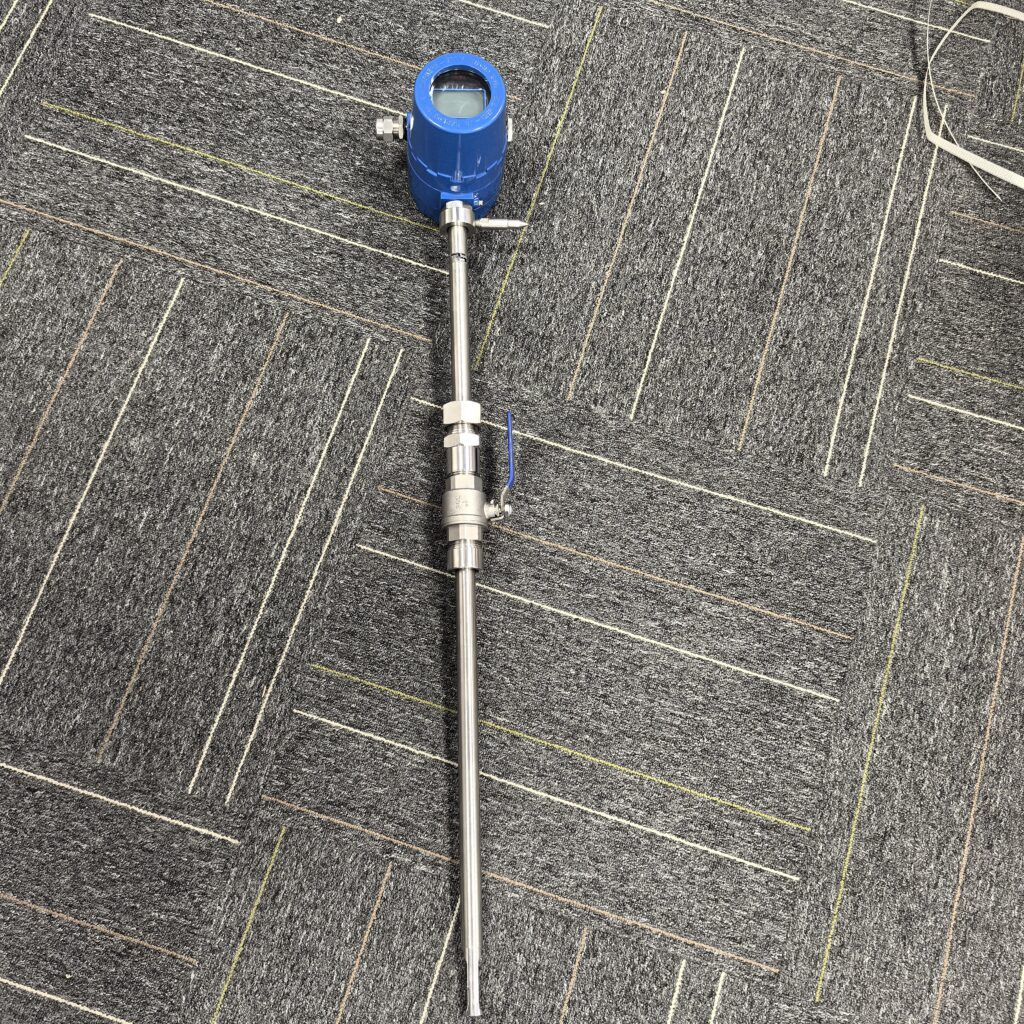
Marine working conditions are extremely harsh, featuring persistent hull vibration, high humidity, salt fog corrosion, wide ambient temperature fluctuation and unstable pipeline pressure. Conventional standard thermal gas mass flow meters suffer from zero drift, signal disorder and shortened service life when deployed on ships. Targeting unique offshore operating environments, customized marine-grade thermal gas mass flow meters adopt constant temperature difference thermal measurement principle, reinforced structural design and anti-corrosion treatment, realizing stable and accurate gas mass flow monitoring for ship auxiliary systems, exhaust gas treatment and combustion supporting systems.
2. Key Pain Points of Marine Flow Measurement
Common industrial flow meters cannot meet long-term offshore operation requirements due to the following unavoidable marine environmental challenges:
- Severe vibration interference: Long-term mechanical vibration from ship engines and propellers disturbs internal sensor signals and causes measurement deviation.
- Strong salt fog and humid corrosion: Coastal and ocean air contains high-concentration salt mist, which erodes circuit boards and metal sensing components.
- Fluctuating temperature and pressure: Drastic changes in cabin temperature and pipeline gas pressure bring extra interference to ordinary volumetric flow meters.
- Limited installation space: Compact cabin pipelines require flow meters with low pressure loss and compact integrated structure.
3. Core Customized Design for Marine Use
This dedicated marine solution retains mature constant temperature difference thermal measuring principle, and upgrades overall hardware and software adaptively for offshore scenarios:
- Vibration-resistant sensing module: Optimized shock-absorbing structure for dual platinum resistance sensors, effectively eliminating measurement errors caused by continuous hull vibration.
- Full anti-corrosion enclosure: Stainless steel 316L housing with special salt-fog resistant coating, supporting long-term operation in 95% RH high humidity and strong salt fog environment.
- Wide temperature adaptation: Working temperature range expanded from -20℃ to +70℃, adapting to extreme temperature difference between open deck and closed cabin.
- Enhanced anti-pollution capillary: Upgraded filter structure prevents tiny oil mist and moisture in ship exhaust gas and combustion air from blocking internal flow channels.
- Marine standard electrical protection: IP67 high protection grade, waterproof and dustproof, complying with ship electrical equipment installation specifications.
4. Unique Advantages in Marine Scenarios
- Direct mass flow measurement without temperature and pressure compensation, adapting to frequent gas pressure fluctuation on ships.
- No movable mechanical parts, low failure rate and minimal later maintenance cost for unattended cabin equipment.
- Ultra-low pipeline pressure loss, avoiding disturbance to original ship gas supply and exhaust pipeline system.
- Stable signal output against vibration, supporting long-term 24-hour uninterrupted online monitoring.
5. Typical Onboard Application Scenarios
- Marine diesel engine combustion air monitoring: Accurate air flow detection to optimize air-fuel ratio, reduce fuel consumption and exhaust pollutant emission.
- Exhaust gas denitrification system: Precise flow control of ammonia and carrier gas for ship SCR exhaust gas treatment system to meet international marine emission standards.
- Ship compressed air system: Flow monitoring and leakage detection of cabin pneumatic control gas to reduce energy waste.
- Inert gas system for oil tankers: Stable flow measurement of nitrogen inert gas to ensure cargo tank operation safety.
6. Conclusion
The marine dedicated thermal gas mass flow meter inherits high-precision constant temperature difference thermal measurement technology, and solves core pain points including vibration, salt fog corrosion and extreme temperature changes through targeted structural and material upgrades. It provides reliable, low-maintenance and emission-compliant gas flow measurement solutions for various ship systems, becoming the preferred gas flow measuring instrument for modern intelligent vessels.
Brief Summary
Customized for harsh marine environments with vibration, salt fog and wide temperature variation, this upgraded thermal mass flow meter adopts anti-corrosion and shockproof design. It realizes stable gas mass flow monitoring for ship engines, exhaust treatment and compressed air systems, complying with marine industry operation standards.
Scan the QR code to receive more detailed information.