The cooling water flow monitoring system is a core safety subsystem of vacuum sintering furnaces, whose operational reliability directly determines the stability of high-temperature sintering processes and the service life of precision furnace components. Traditional single-flow monitoring schemes are prone to false alarms, missing alarms and delayed fault response due to water quality impurities, pipeline flow fluctuation and sensor aging, easily causing equipment overheating damage and production interruption. This paper proposes a reliability enhancement strategy and optimized fault early-warning design for vacuum sintering furnace cooling water monitoring systems. By analyzing common failure modes of conventional monitoring systems, it optimizes sensor configuration, threshold calibration logic and multi-state early-warning mechanism. This design integrates real-time flow status monitoring, abnormal fluctuation identification and linkage pre-protection functions, effectively improving the system’s anti-interference capability and fault prediction accuracy. The research results provide a feasible technical scheme for eliminating potential safety hazards of cooling systems and realizing predictive maintenance of vacuum sintering equipment.
1. Introduction
Vacuum sintering furnaces work in long-term high-temperature and vacuum sealed environments, and circulating cooling water is the key medium for heat dissipation of furnace body seals, heating elements and vacuum systems. Stable water flow can continuously take away cumulative heat and maintain the constant-temperature operating state of core components. However, in actual industrial operation, cooling systems often suffer from subtle abnormal states such as pipeline scale accumulation, local blockage and insufficient pump pressure, which cannot be accurately identified by traditional single-point threshold monitoring. Small flow abnormalities will gradually evolve into no-flow faults, leading to seal failure, component burnout and batch product scrapping.
Most conventional monitoring systems rely on a single water flow switch for threshold alarm, which only responds to extreme faults such as no-flow and low-limit flow, lacking early identification of potential hidden dangers. Therefore, optimizing the monitoring system structure, enhancing operational reliability and building a scientific fault early-warning mechanism are essential to improve the intrinsic safety of vacuum sintering furnaces and realize stable and efficient production.
2. Common Failure Risks of Traditional Flow Monitoring Systems
The main reliability defects of traditional cooling water flow monitoring systems are reflected in three aspects. First, single-point monitoring has poor anti-interference ability. Industrial circulating water contains scale, rust and suspended particles, which easily interfere with sensor detection and cause occasional false alarms or monitoring failure. Second, the single threshold judgment mechanism lacks early-warning capability. The system only triggers an alarm when the flow drops to the safety limit, leaving no buffer time for maintenance and emergency disposal, resulting in passive protection.
Third, the system lacks state tracking and trend analysis functions. Traditional monitoring devices can only feed back real-time flow status but cannot record long-term flow fluctuation trends. It is impossible to predict potential faults such as pipeline gradual blockage and water pump performance degradation, leading to frequent sudden failures of cooling systems in peak production periods and seriously restricting production continuity.
3. System Reliability Enhancement Design
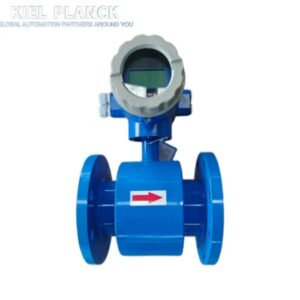
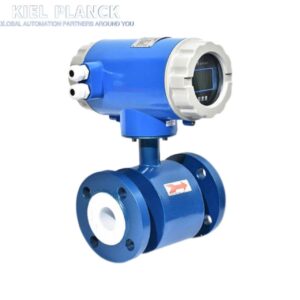
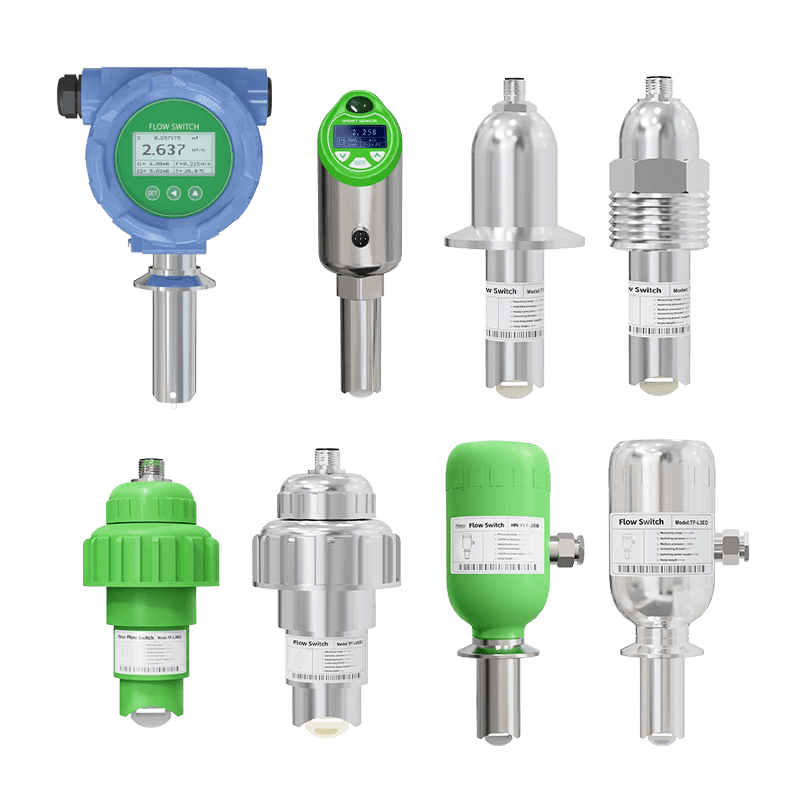
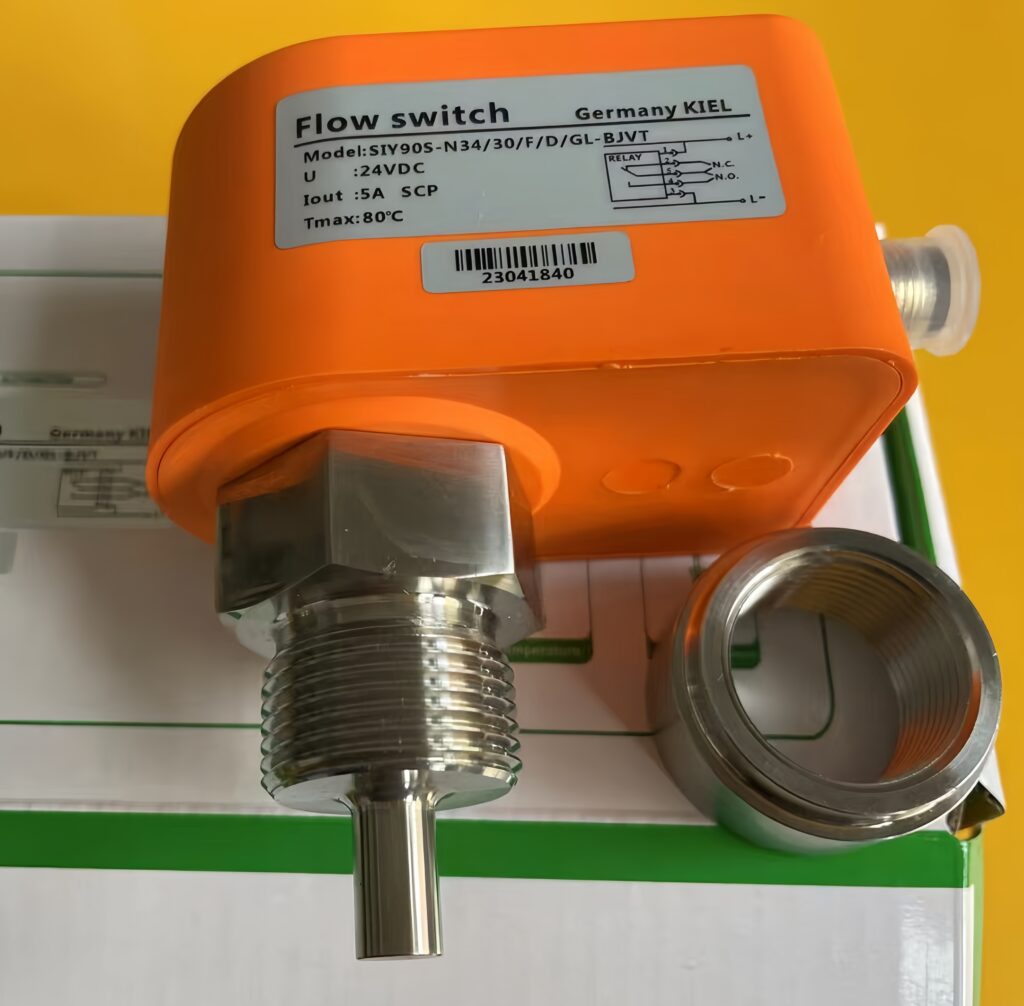
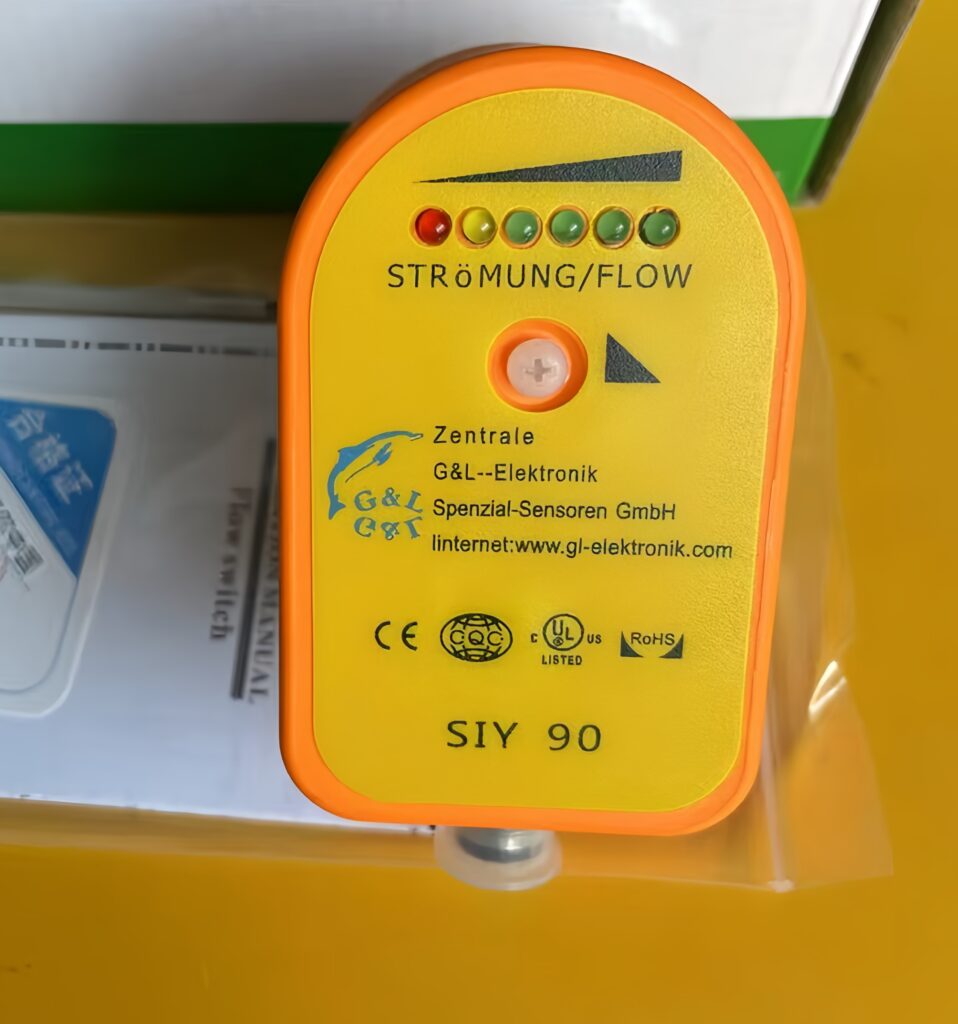
To solve the above defects, the reliability of the cooling water flow monitoring system is improved from hardware configuration and software logic optimization. In terms of hardware optimization, a dual-monitoring mode of flow switch and high-precision flow meter is adopted. The flow switch undertakes real-time safety interlock protection to deal with sudden flow faults, while the flow meter continuously collects flow data to capture subtle state changes, realizing complementary advantages of safety protection and precise monitoring.
In addition, sensor installation positions are standardized and optimized. Monitoring devices are arranged at the inlet and outlet of the main cooling water pipeline, with stable straight pipe sections reserved to avoid flow turbulence interference. All sensors adopt anti-corrosion and anti-scale shell materials, and add filter protection structures at the water inlet to reduce the impact of water quality impurities on detection accuracy, effectively reducing the failure rate of monitoring equipment.
In terms of software logic, an adaptive threshold calibration algorithm is introduced. Combined with the seasonal temperature changes and operating load of the sintering furnace, the system automatically adjusts the safe flow threshold to avoid false alarms caused by normal flow fluctuation. Meanwhile, a signal filtering mechanism is added to shield instantaneous abnormal pulse signals, ensuring the stability and accuracy of monitoring data.
4. Multi-Level Fault Early-Warning Mechanism Design
Aiming at different abnormal degrees of cooling water flow, a three-level hierarchical early-warning mechanism is constructed to realize progressive fault prediction and disposal. The first level is trend early-warning, which monitors long-term slow flow attenuation. When the flow continuously decreases within the normal range, the system automatically records the trend and pushes maintenance reminders to eliminate hidden dangers of pipeline blockage and pump aging in advance.
The second level is abnormal fluctuation early-warning. For sudden small-range flow jitter caused by pipeline pressure instability and local blockage, the system triggers a mild alarm to remind operators to check pipeline valves and water pump operating status in time. The third level is safety interlock warning. When the flow drops below the safety threshold, the system immediately starts audible and visual alarms and linkage shutdown protection to avoid equipment overheating damage.
This hierarchical early-warning design changes the traditional post-fault passive protection mode to pre-fault active early warning, greatly improving the fault disposal efficiency and system safety redundancy.
5. Conclusion
The reliability and fault early-warning capability of the cooling water flow monitoring system are crucial to the safe and stable operation of vacuum sintering furnaces. Aiming at the defects of poor anti-interference ability, single judgment logic and lack of early-warning function in traditional monitoring systems, this paper completes system reliability enhancement through dual-device complementary monitoring, standardized hardware layout and adaptive algorithm optimization. Meanwhile, the constructed multi-level early-warning mechanism realizes full-cycle monitoring from hidden danger prediction, abnormal reminder to fault interlock.
The optimized monitoring system effectively reduces false and missing alarm rates, realizes active early warning and predictive maintenance of cooling water flow faults, and significantly improves the operational safety and long-term stability of vacuum sintering furnaces. It provides a reliable technical guarantee for continuous and stable production of powder metallurgy and advanced material sintering processes.
Scan the QR code to receive more detailed information.