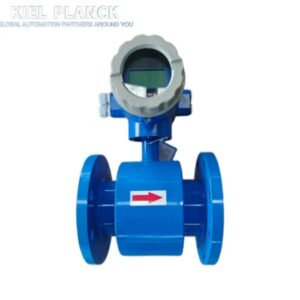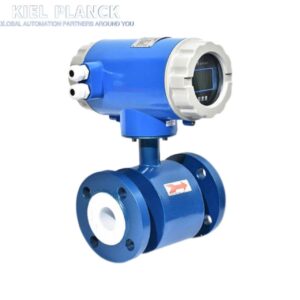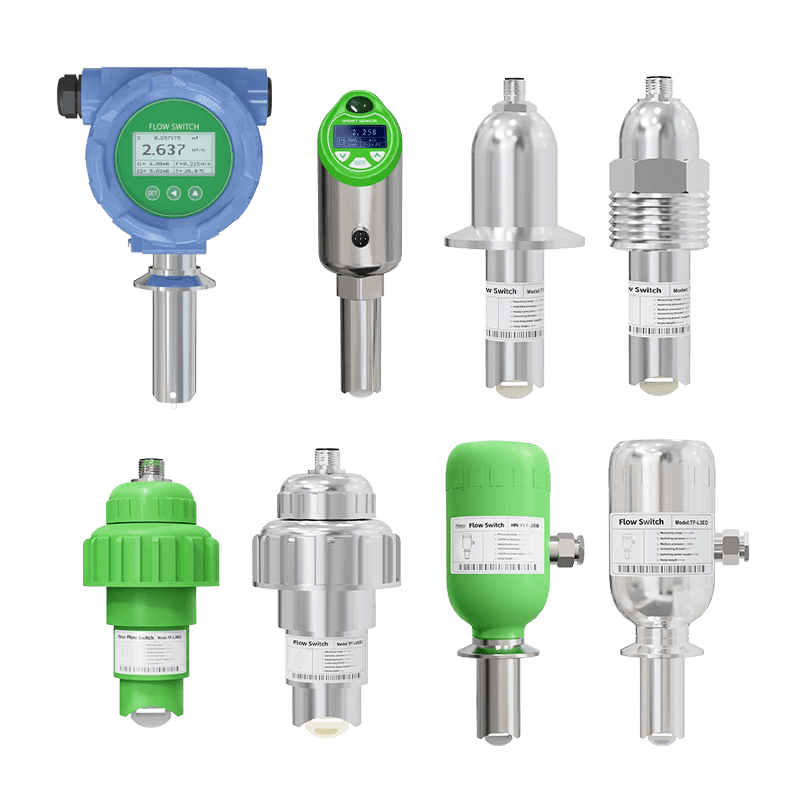
Cooling water flow switches are essential safety components for vacuum sintering furnaces, responsible for real-time flow monitoring and overheating protection during high-temperature sintering cycles. Target-type and baffle-type flow switches are the two most widely used mechanical monitoring devices in industrial cooling water systems, yet their structural differences lead to distinct applicability in vacuum furnace operating environments. This article systematically compares the working principles, structural characteristics, installation requirements, and field performance of target-type and baffle-type flow switches. By analyzing their adaptability to furnace circulating water features such as scale deposition, flow fluctuation and long-term continuous operation, this study summarizes their respective application advantages and limitations. The comparison results provide clear selection criteria for engineering practitioners, helping match appropriate flow switch types according to pipeline parameters and water quality conditions. Optimized selection effectively reduces monitoring failures, false alarms and equipment cooling risks, improving the operational reliability of vacuum sintering furnace cooling systems.
1. Introduction
Vacuum sintering furnaces require stable circulating cooling water to dissipate continuous high-temperature heat and protect core components including heating elements, furnace door seals and vacuum pumps. Flow interruption or insufficient flow will cause rapid temperature rise, vacuum leakage and permanent component damage. As the first line of safety protection, mechanical flow switches are favored in furnace cooling systems due to their low cost, simple structure and independent trigger logic without complex auxiliary systems.
Target-type and baffle-type switches dominate the conventional flow switch market for vacuum furnace applications. However, inappropriate model selection often leads to common on-site problems, such as jamming caused by scale accumulation, insensitive triggering under low flow rates, and false alarms under turbulent flow conditions. Clarifying the suitability differences between the two types of switches is of great significance for improving monitoring stability and reducing maintenance frequency in vacuum sintering production.
2. Working Principle and Structural Features
The baffle-type flow switch adopts a flexible swinging baffle structure. The baffle is inserted vertically into the pipeline and deflects under the impact of flowing cooling water. When the flow rate reaches the preset value, the baffle displacement triggers the internal micro switch to output a normal flow signal; when the flow decreases or stops, the baffle resets under spring tension and gravity to trigger a low-flow or no-flow alarm. Its structure is simple with fewer precision parts, and the baffle size can be adjusted according to pipe diameter.
The target-type flow switch uses a fixed circular target plate matching the pipeline inner diameter. The water flow generates pressure on the target plate, and the pressure signal is converted into mechanical displacement to drive the switch action. The target plate maintains stable stress under rated flow conditions, with strong structural rigidity and good resistance to flow pressure fluctuation. Different target sizes can be replaced to adapt to different flow threshold requirements, achieving flexible threshold adjustment.
3. Comprehensive Suitability Comparison
In terms of low-flow sensitivity, baffle-type switches show better performance. The flexible baffle can respond to small water flow changes and is suitable for small-diameter pipelines and low-flow cooling loops commonly used in vacuum furnace auxiliary cooling systems. However, due to the swing structure, the baffle is easily impacted by water impurities and scale, resulting in inflexible reset and frequent false alarms after long-term operation.
Target-type switches excel in stability and anti-interference capability. The integrated target structure is not prone to deformation or jamming, and can resist the impact of water scale, rust and suspended particles in industrial circulating water. It maintains stable triggering accuracy under long-term continuous operation, making it more suitable for main cooling water pipelines with large flow and high operational stability requirements. Nevertheless, its disadvantage is poor low-flow sensitivity, which may fail to identify slight flow reduction in small-caliber pipelines.
In terms of installation and maintenance, baffle-type switches have lower pipeline adaptability and require strict horizontal installation to avoid gravity interference. The movable baffle is a vulnerable part and needs regular inspection and replacement. In contrast, target-type switches support both horizontal and vertical installation with fewer restrictions. They have lower failure rates and simpler daily maintenance, only requiring regular cleaning of the target plate surface scale.
4. Engineering Selection Criteria
For auxiliary cooling branches of vacuum sintering furnaces with small pipe diameters, low rated flow and stable water quality, baffle-type flow switches are the optimal choice. Their high sensitivity ensures effective monitoring of low-flow working conditions and meets the safety alarm demand of auxiliary heat dissipation systems.
For main cooling water pipelines with large flow, long continuous operation time and poor water quality, target-type switches are highly recommended. Their strong anti-blocking ability and stable mechanical performance effectively avoid monitoring failure caused by pipeline scale and flow fluctuation, ensuring long-term reliable operation of the main cooling protection system.
5. Conclusion
Target-type and baffle-type flow switches have distinct performance characteristics and application boundaries in vacuum sintering furnace cooling water monitoring. Baffle-type switches feature high low-flow sensitivity and are applicable to small-flow auxiliary pipelines, while target-type switches possess outstanding stability, anti-interference and anti-blocking performance, making them more suitable for large-flow main pipelines with harsh water quality conditions. Reasonable type selection based on pipeline specifications, flow parameters and water quality environment can maximize the monitoring accuracy and service life of flow switches. This targeted selection strategy effectively eliminates cooling safety hazards caused by mismatched equipment, provides practical engineering guidance for the configuration of vacuum sintering furnace cooling systems, and further guarantees the safety and continuity of high-precision sintering production.
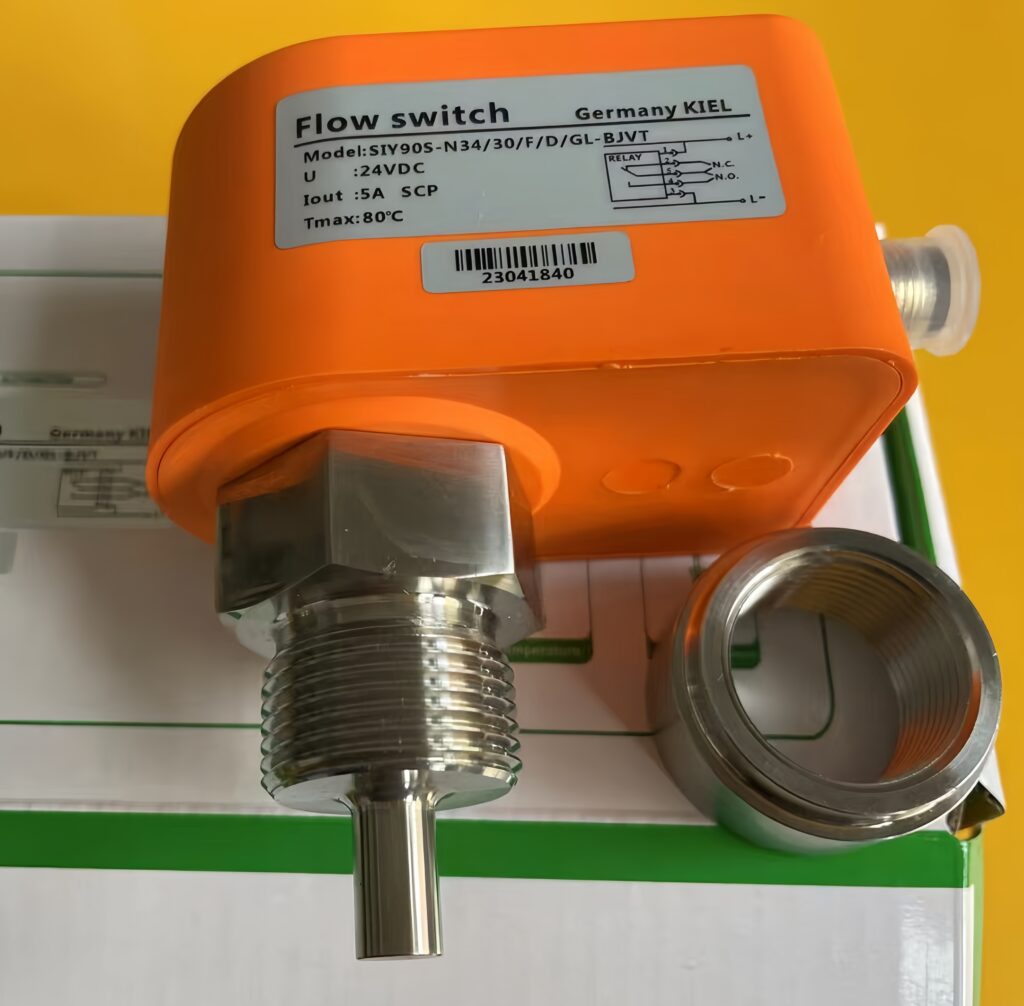
Scan the QR code to receive more detailed information.