
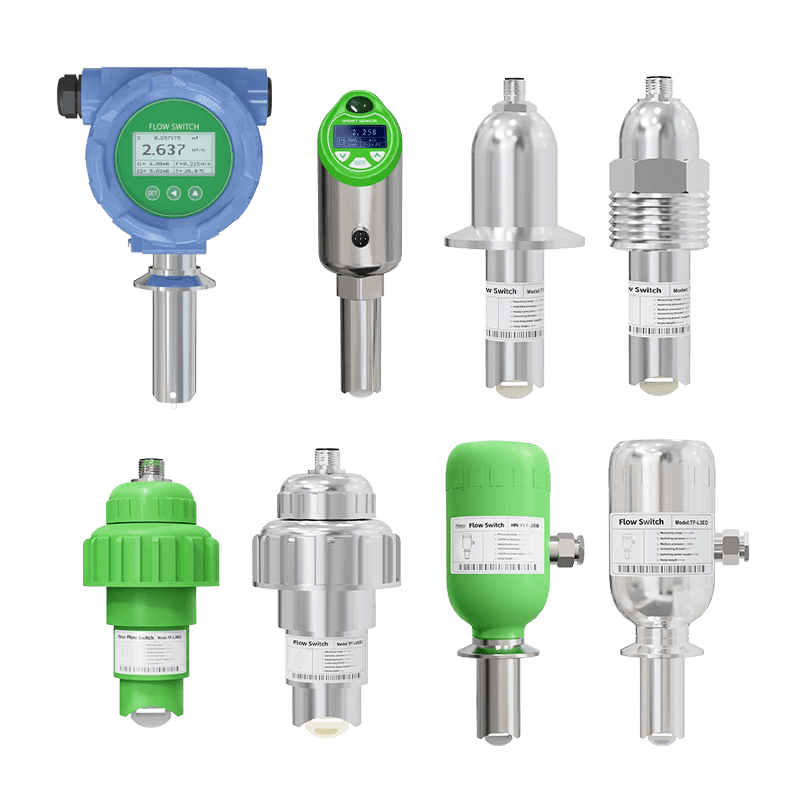
Sensitivity Test for Vacuum Furnace Water Flow Switch
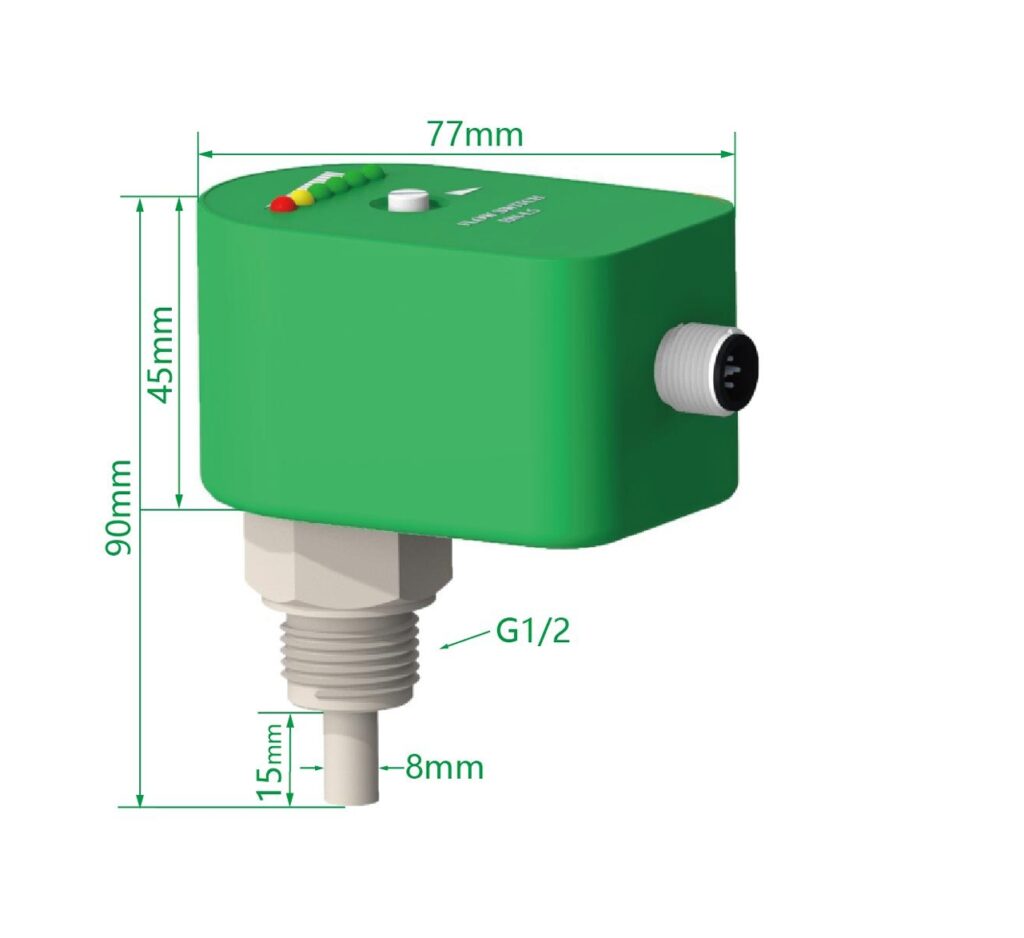
Test Method for Sensitivity and Stability of Water Flow Switches in Vacuum Sintering Furnaces under Low-Flow Conditions
Flow Monitoring for High-Temperature Vacuum Furnace Water-Cooled Jackets
Flow Monitoring for Water-Cooled Jackets of High-Temperature Vacuum Furnaces: Research on Optimizing the Installation Position of Water Flow Switches
Multi-layer Protection Design for Vacuum Furnace Cooling Water Systems
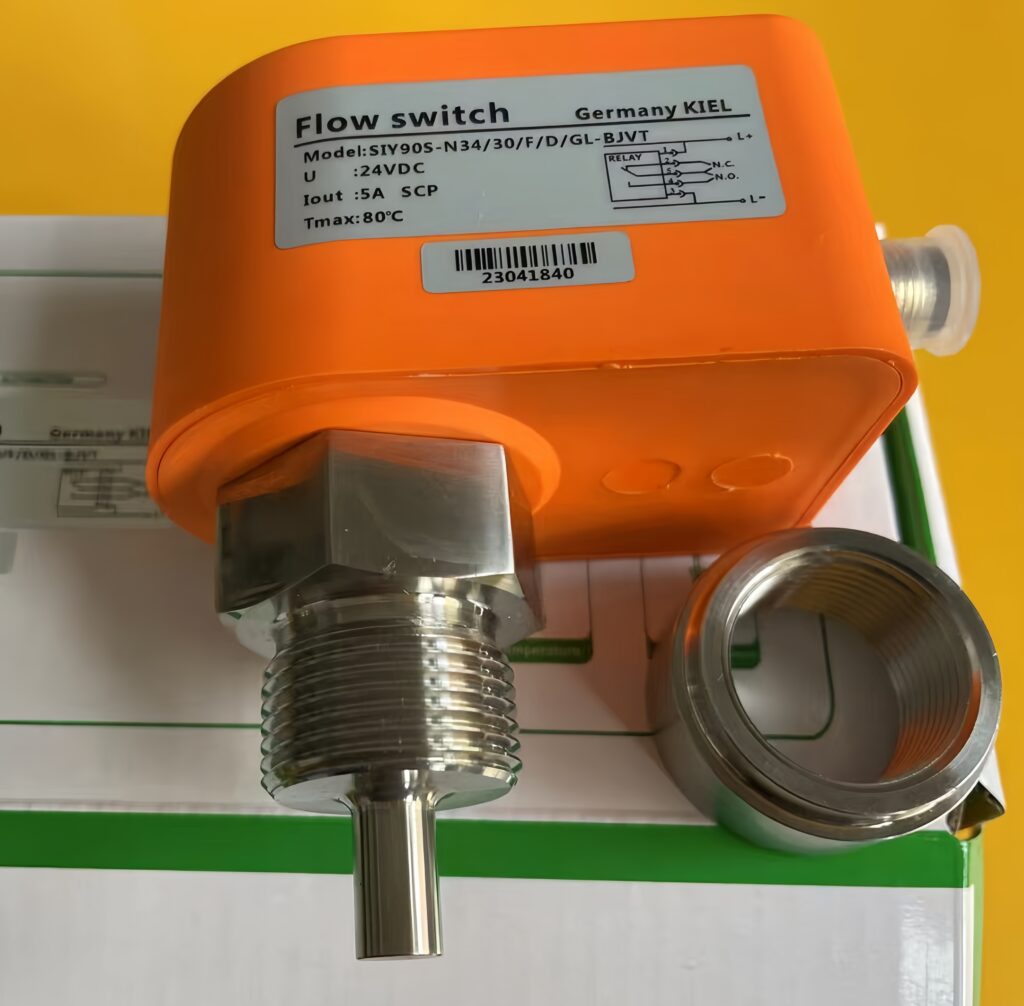
Multi-layer Protection Design for Vacuum Furnace Cooling Water Systems: Flow Switch and Temperature Interlock Control Scheme
Selection of Cooling Water Flow Switch for Vacuum Sintering Furnaces
Selection of Cooling Water Flow Switches for Vacuum Sintering Furnaces: A Comparison of Target-Type and Baffle-Type Suitability
Cooling Water Flow Monitoring for Vacuum Sintering Furnaces
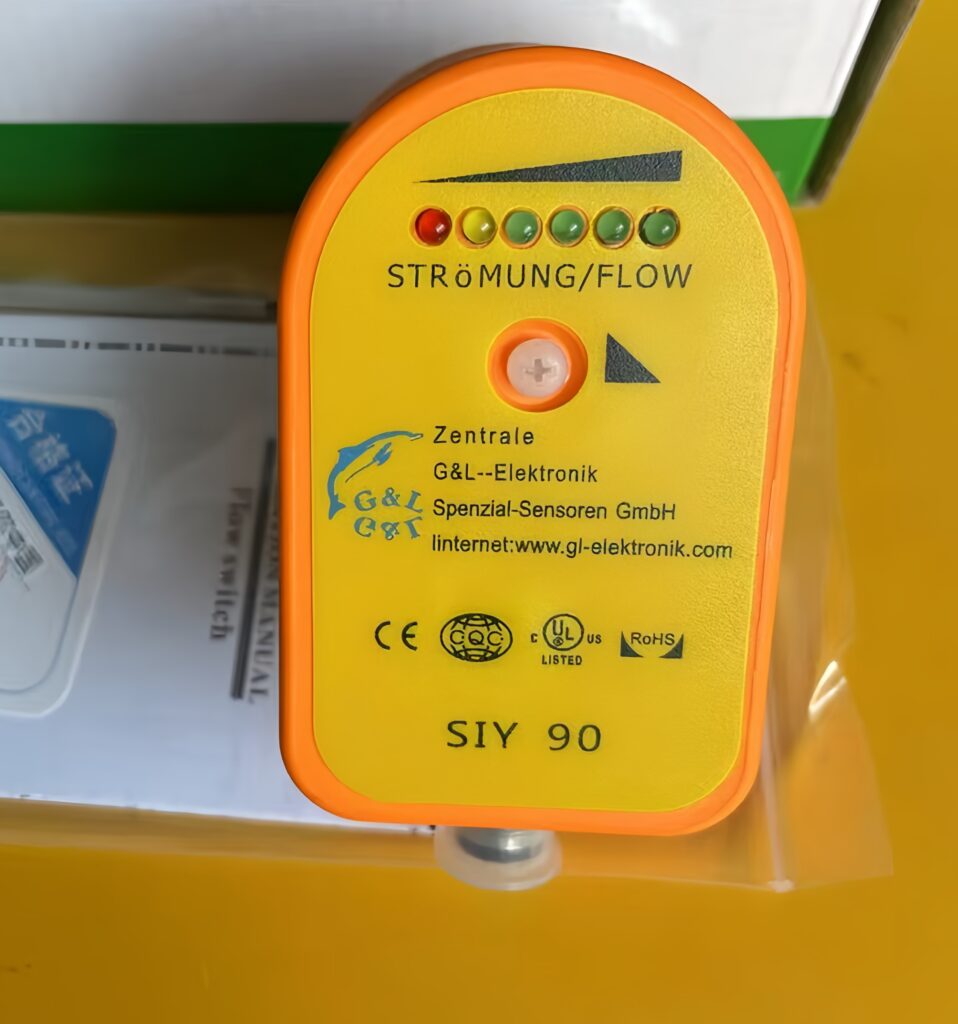
Reliability Enhancement and Fault Early-Warning Design for the Cooling Water Flow Monitoring System of Vacuum Sintering Furnaces
Cooling Water Monitoring Scheme for Vacuum Furnaces
Water Flow Switches vs. Flow Meters: A Technical Comparison of Cooling Water Monitoring Solutions for Vacuum Furnaces
Water-Cooling Protection for Vacuum Debinding and Sintering Furnaces
acuum debinding and sintering is a critical process for preparing high-density and high-purity metal and ceramic materials. The furnace needs to complete low-temperature debinding and high-temperature sintering in a continuous vacuum environment, with the internal temperature soaring up to hundreds or even thousands of degrees Celsius. Long-term high-temperature operation will generate a large amount of radiant heat and conductive heat, which poses a serious threat to precision components such as furnace door sealing rings, cooling jackets and vacuum pumps.
Selection of Water Flow Switches for Vacuum Furnaces
Vacuum sintering furnaces rely on stable cooling water systems to dissipate high-temperature heat generated during sintering processes and ensure equipment operational safety and product sintering quality. As a core safety monitoring component, water flow switches undertake real-time flow detection and fault alarm functions, whose reasonable selection and standardized installation directly determine the stability and failure resistance of the entire cooling system. This paper analyzes the operational characteristics of vacuum sintering furnace cooling water systems, summarizes key selection criteria for water flow switches applicable to high-temperature and impurity-containing industrial water environments, and elaborates standardized installation specifications, commissioning steps and common error prevention measures.

