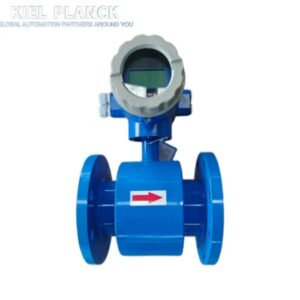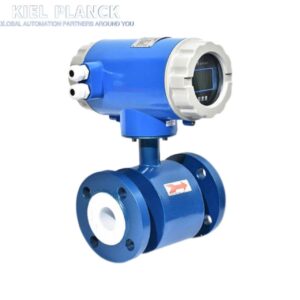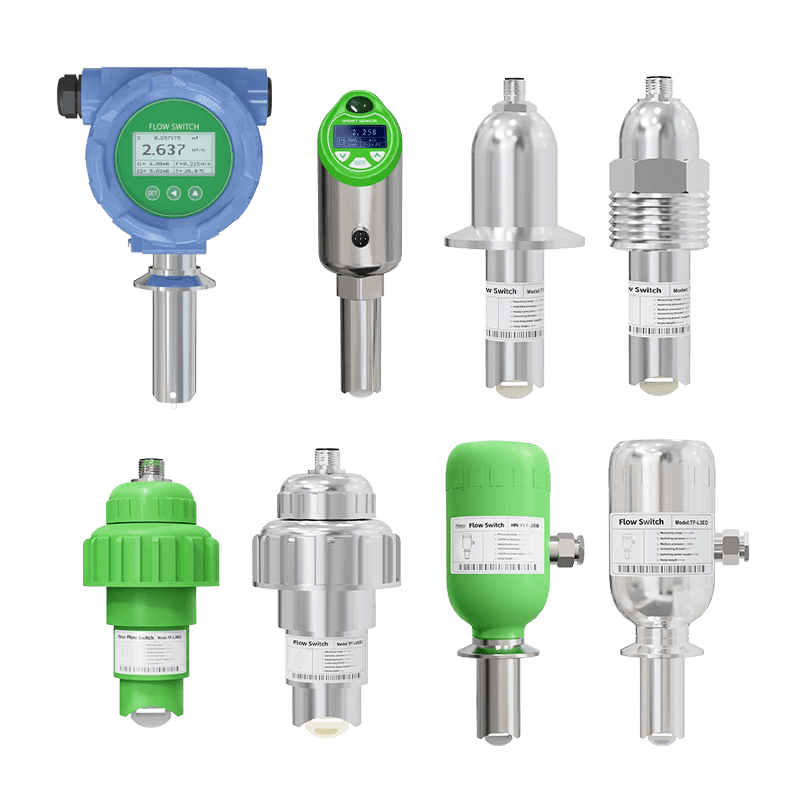
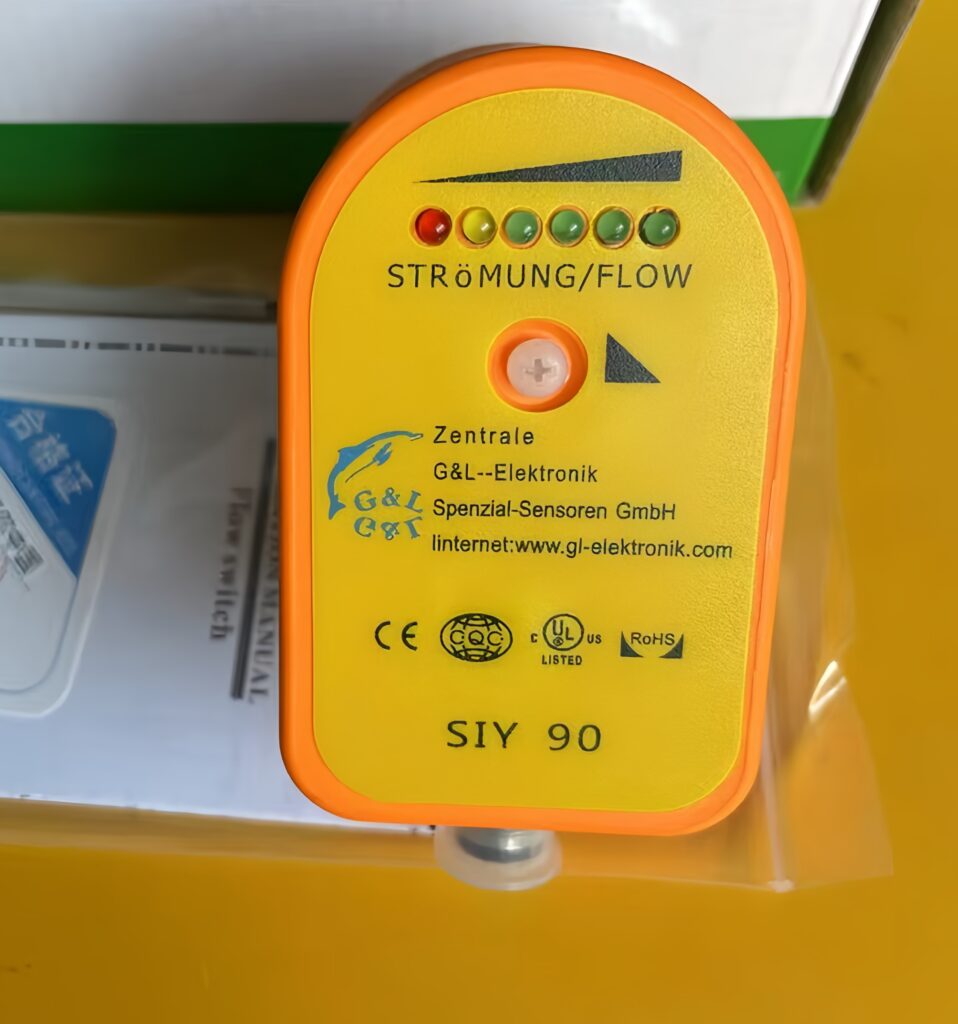
Water flow switches serve as critical safety sensing components for vacuum sintering furnace cooling systems, and their detection performance under low-flow conditions directly determines the accuracy of low-flow early warning and overheating interlock protection. In actual production, minor pipeline blockage, pump aging and pressure fluctuation often lead to sustained low-flow operation, which is difficult to be accurately identified by conventional qualitative detection methods, resulting in potential equipment safety hazards. This paper proposes a systematic test method for evaluating the sensitivity and stability of water flow switches under low-flow working conditions. By building a simulated circulating water test platform, setting graded low-flow test points, and adopting multi-cycle repeated testing and data comparison calibration, this method can effectively quantify the trigger sensitivity, response delay and operational stability of flow switches. The experimental test scheme can screen out unqualified sensors with insensitive response and signal drift, providing standardized test criteria for performance inspection, batch acceptance and regular calibration of furnace water flow switches. It greatly improves the low-flow fault identification capability of vacuum sintering furnace cooling systems.
1. Introduction
Vacuum sintering furnaces rely on closed circulating cooling water systems to dissipate high-temperature heat and protect sealing components and heating units. Most cooling system faults start with low-flow anomalies rather than sudden no-flow failure. Long-term low-flow operation will cause insufficient heat dissipation, gradual aging of furnace seals, and reduced sintering stability, which seriously affects equipment service life and product processing consistency. As the core monitoring device, the water flow switch must maintain high sensitivity and signal stability in the low-flow threshold range to capture subtle flow changes in a timely manner.
However, conventional factory performance tests mostly focus on rated flow and no-flow extreme conditions, ignoring low-flow working condition verification. Switches that pass standard tests may still suffer from delayed triggering, false stability and signal jitter under slight flow attenuation, leading to missing early warnings. Therefore, establishing a targeted low-flow performance test method is essential to evaluate the actual working performance of water flow switches and improve the intrinsic safety of vacuum sintering furnaces.
2. Difficulties of Low-Flow Performance Testing
Different from conventional full-flow testing, low-flow performance verification faces prominent technical difficulties. First, low-flow fluid has weak flow field stability, and tiny pressure fluctuations in the pipeline are easy to cause unsteady flow velocity, resulting in inconsistent switch trigger results. Second, most mechanical and thermal-dispersion flow switches have low signal resolution near the threshold, prone to intermittent switching signals and unstable state judgment. Third, there is a lack of unified industrial test standards for low-flow sensitivity evaluation, making it impossible to quantitatively distinguish the performance differences of different switches in low-flow monitoring scenarios.
These difficulties lead to the inability of traditional detection methods to accurately assess the adaptability of flow switches to furnace low-flow faults, which is the main reason for frequent hidden dangers of cooling system monitoring in industrial production.
3. Systematic Low-Flow Test Method Design
This study designs a complete set of low-flow sensitivity and stability test schemes, including test platform construction, graded flow setting, multi-group cyclic testing and data analysis.
First, build a simulated circulating test platform consistent with furnace cooling pipeline parameters. The platform is equipped with adjustable frequency water pumps, high-precision flow meters, pressure stabilizing valves and standard test pipe sections, which can accurately simulate continuous adjustable low-flow states within 30% to 80% of the rated flow of the vacuum furnace cooling system. The pipeline maintains a stable straight pipe section to avoid turbulence interference and ensure test environment consistency.
Second, implement graded low-flow sensitivity testing. Set multiple gradient test points from critical low flow to sub-rated flow, and conduct ten repeated trigger tests for each flow point. Record the minimum trigger flow threshold, signal response time and trigger success rate of the flow switch. High-sensitivity switches can complete stable triggering at the critical low-flow threshold with a response delay of less than one second, while unqualified products show delayed triggering or no response.
Third, carry out long-cycle stability testing. Simulate continuous low-flow operation for 2 hours to detect signal stability of the switch. Qualified devices should maintain continuous and stable state output without intermittent signal jitter, frequent switching or automatic reset failure. This item effectively verifies the anti-interference ability and long-term working stability of the switch under sustained low-flow conditions.
4. Test Data Evaluation Criteria and Engineering Application
Based on test data, two core indicators are formulated for performance evaluation. Sensitivity is judged by the critical trigger flow error, and the qualified error range is controlled within ±5% to ensure that subtle low-flow attenuation can be accurately captured. Stability is evaluated by signal consistency rate in long-cycle tests, and the qualified rate is set above 99% to eliminate abnormal signal fluctuation.
In engineering application, this test method can be used for factory incoming inspection of new flow switches, regular calibration of in-service equipment and performance comparison of different types of switches. Through standardized low-flow screening, switches with insufficient low-sensitivity and poor stability are eliminated, which effectively avoids monitoring failure caused by performance degradation and greatly improves the reliability of furnace cooling fault early warning.
5. Conclusion
Aiming at the common problem of inaccurate monitoring of water flow switches under low-flow working conditions in vacuum sintering furnace cooling systems, this paper establishes a systematic test method for sensitivity and stability evaluation. This method realizes quantitative detection of switch low-flow trigger performance and long-term operational stability through simulated working condition platform construction, graded flow testing and multi-cycle data verification, which makes up for the deficiencies of traditional single standard detection. The standardized test criteria can effectively screen unqualified monitoring equipment, improve the accuracy and reliability of low-flow fault early warning of cooling systems, and provide a complete technical testing basis for safety performance evaluation and regular maintenance of water flow switches for high-precision vacuum sintering furnaces.
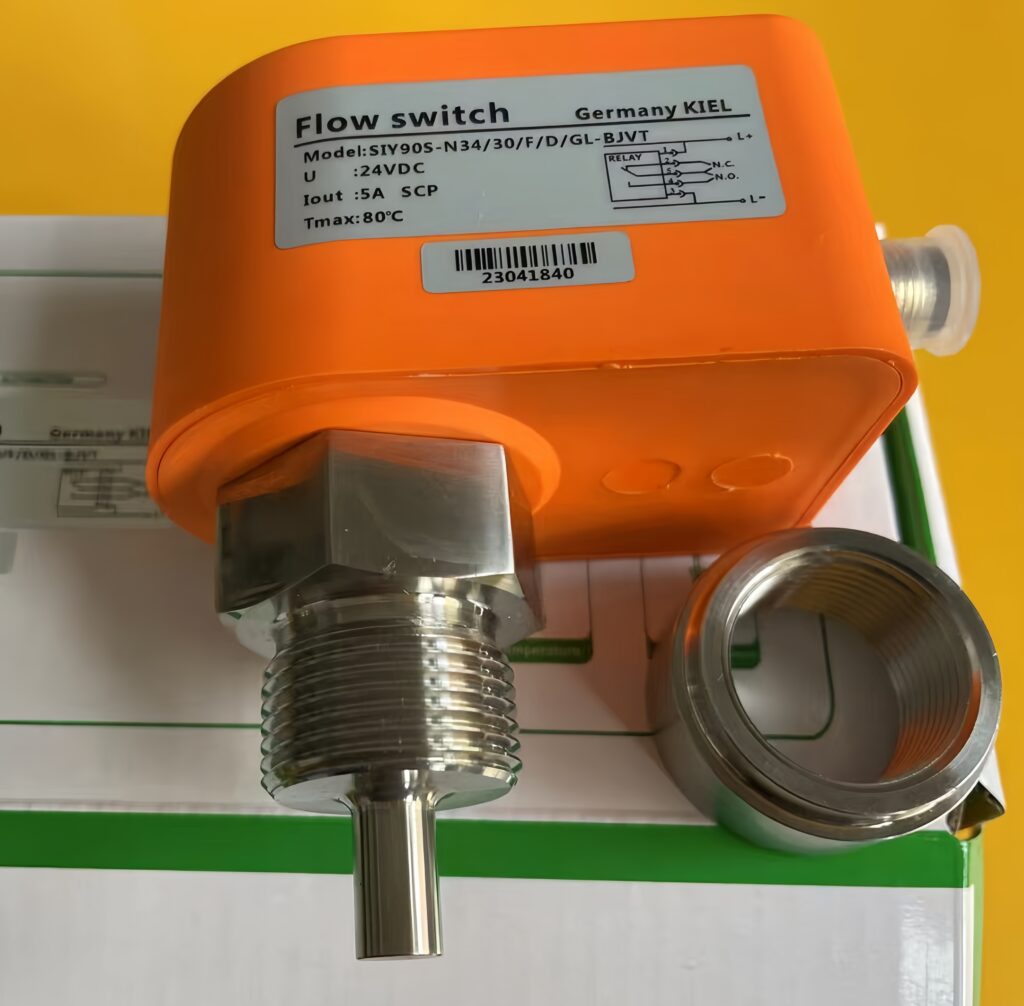
Scan the QR code to receive more detailed information.