Water-cooled jackets are the core heat dissipation components of high-temperature vacuum furnaces, undertaking the key task of isolating high-temperature heat and protecting furnace seals and precision structural parts. The installation position of water flow switches directly affects the accuracy of cooling flow monitoring and the timeliness of overheating fault protection. Unreasonable installation positions often cause flow signal distortion, false alarms, missing alarms and unresponsive monitoring, which greatly reduce the safety redundancy of furnace cooling systems. This paper analyzes the flow field characteristics of water-cooled jacket circulating pipelines in high-temperature vacuum furnaces, discusses the monitoring defects caused by traditional random installation modes, and proposes targeted optimization schemes for flow switch installation positions. By optimizing straight pipe section layout, avoiding flow turbulence areas and matching jacket inlet and outlet monitoring points, the optimized scheme effectively improves the stability and accuracy of flow signal collection. The research results provide reliable installation standards for flow monitoring of furnace water-cooled jackets, effectively avoiding equipment overheating failures and ensuring the long-term safe operation of high-temperature vacuum sintering equipment.
1. Introduction
High-temperature vacuum furnaces widely used in new material sintering and powder metallurgy industries usually work at temperatures above 1000 ℃. The water-cooled jacket wrapped around the furnace body and furnace door is the main heat dissipation barrier, which continuously takes away radiant and conductive heat through circulating cooling water to maintain the constant temperature of furnace structural components. Stable cooling water flow is the basic guarantee to prevent thermal deformation, seal aging and vacuum leakage of the furnace body.
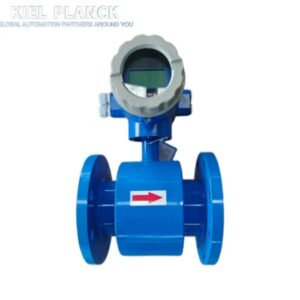
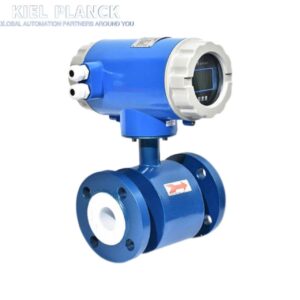
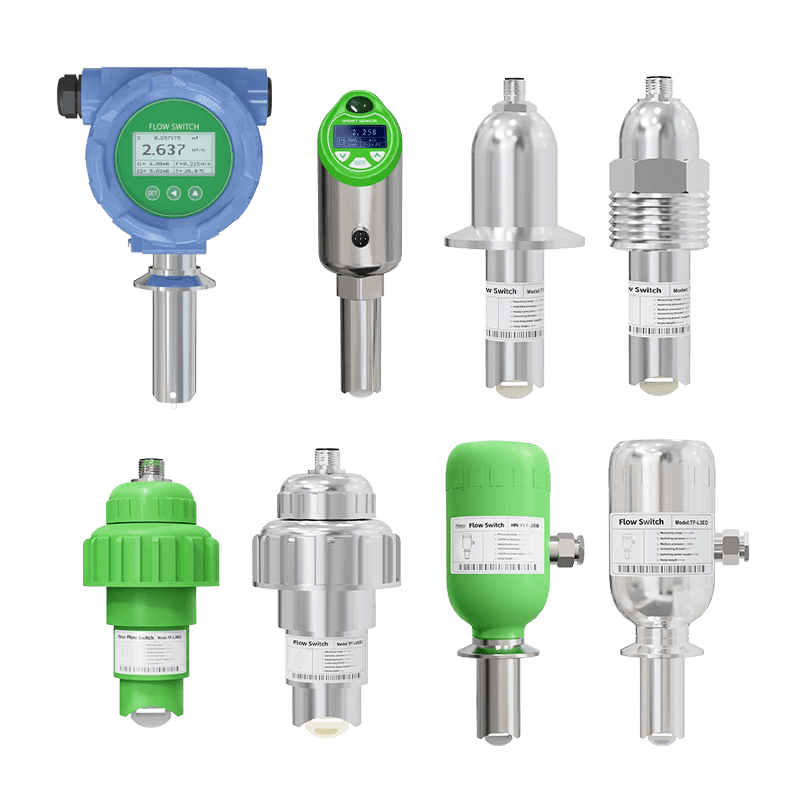
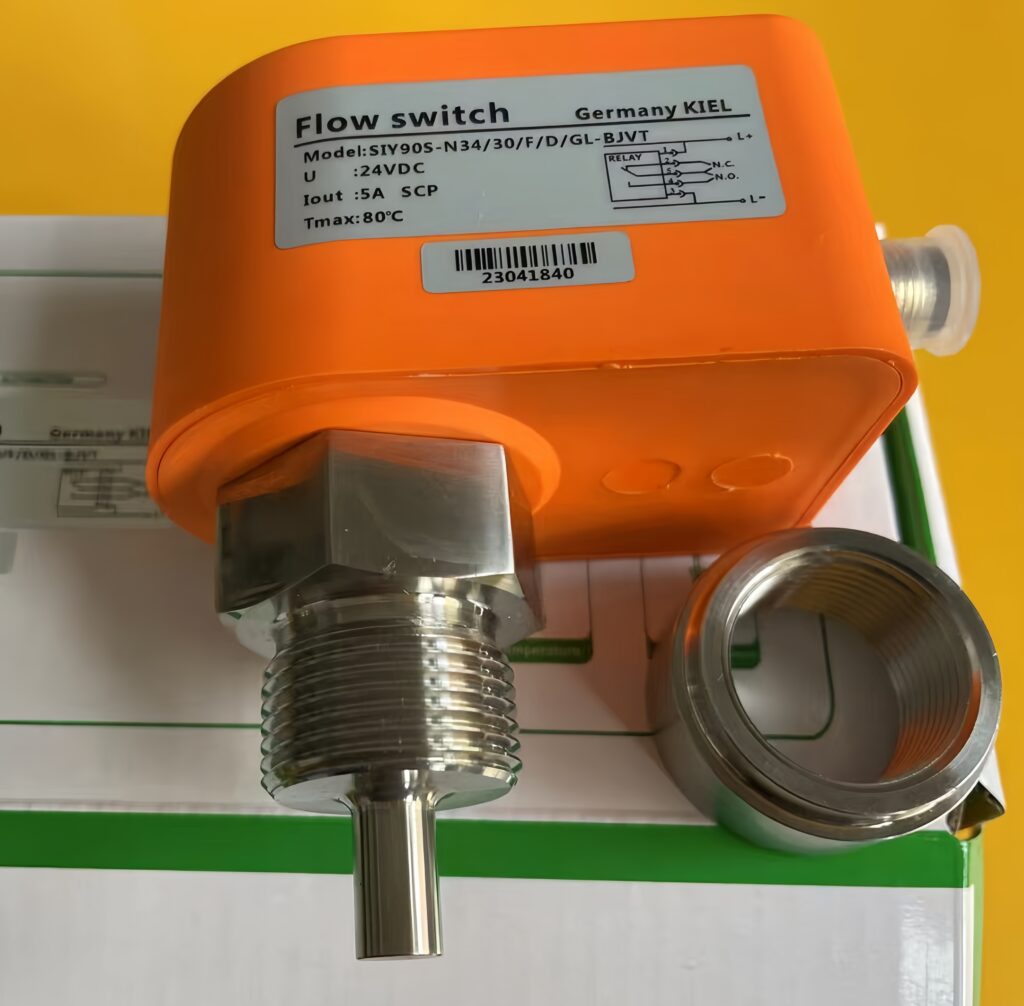
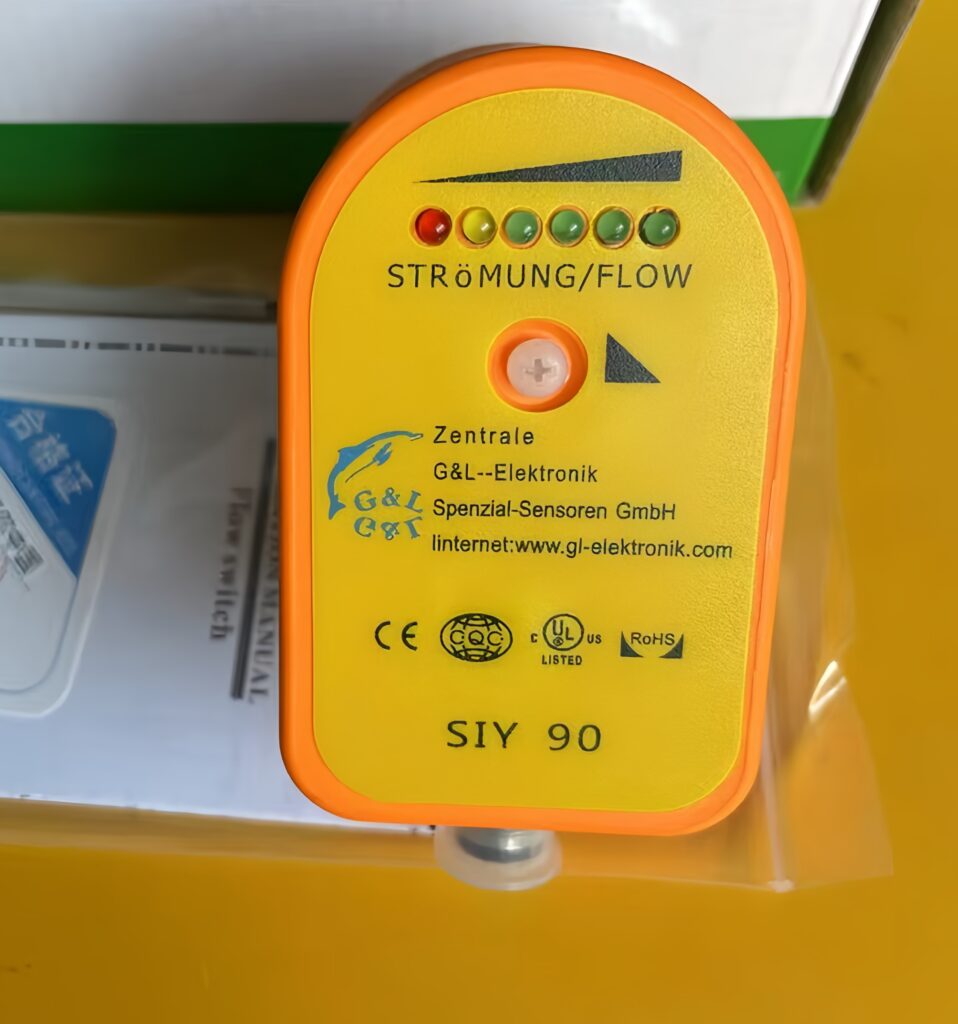
Water flow switches are standard monitoring devices for water-cooled jacket cooling systems. In actual industrial installation, most operators adopt empirical installation methods, ignoring the local flow turbulence, pressure difference and flow velocity deviation of jacket branched pipelines. Improper installation positions lead to inconsistent monitored flow data with the actual circulating state of the jacket, resulting in frequent monitoring failures. Therefore, optimizing the installation position of water flow switches according to the flow field characteristics of water-cooled jackets is crucial to improve the reliability of furnace cooling protection systems.
2. Flow Field Characteristics and Traditional Installation Defects of Water-Cooled Jackets
Different from conventional straight cooling pipelines, the internal pipeline of furnace water-cooled jackets is composed of bent and branched closed circulating channels. During operation, the cooling water will produce turbulence, eddy current and local stagnation in elbow, shunt and confluence areas, resulting in unstable instantaneous flow velocity and pressure fluctuation. These complex flow field characteristics put forward higher requirements for the installation position of flow switches.
Traditional installation modes have prominent technical defects. Many flow switches are directly installed at the elbow, valve outlet or jacket shunt port to save installation space. In turbulence areas, the disordered water flow will interfere with the switch sensing probe, causing frequent false alarms of low flow under normal circulation conditions. In addition, installing switches near the jacket water outlet will lead to delayed signal detection, failing to capture early flow abnormalities of local blockage inside the jacket, resulting in untimely overheating protection and potential equipment hazards.
3. Optimization Design of Flow Switch Installation Position
Combined with the structural characteristics and flow field rules of high-temperature vacuum furnace water-cooled jackets, this paper proposes three core optimization principles for installation positions, including avoiding turbulence interference, ensuring full pipe flow and realizing real-time state perception.
First, fixed installation of upstream straight pipe section is adopted. The optimal installation position is set at the straight pipe section 5 times the pipe diameter upstream of the jacket water inlet and 3 times the pipe diameter away from pipeline elbows and valves. This position completely avoids eddy current and turbulence interference, ensures steady and uniform water flow through the switch probe, and guarantees the authenticity and stability of monitoring signals. It effectively solves the problem of false alarms caused by disordered flow fields in traditional bent pipe installation.
Second, differential point layout for inlet and outlet is realized. A main flow switch is installed at the jacket inlet to monitor the total circulating flow in real time and judge the overall operating state of the cooling system. A auxiliary monitoring switch is arranged at the key branch outlet of the jacket to capture local flow abnormalities, realizing full coverage of overall and regional flow monitoring. This layout can accurately identify hidden dangers such as internal local blockage and unbalanced shunt of the jacket that cannot be detected by single-point installation.
Third, stagnation area installation is strictly avoided. The flow switch is prohibited from being installed at the top of vertical pipelines and the dead water area of jacket confluence ports, where water flow is slow and prone to bubble accumulation. Installation in such areas will lead to long-term probe dry burning and sensing failure, seriously affecting the service life and monitoring accuracy of the equipment.
4. Application Effects and Technical Advantages of Optimized Scheme
The optimized installation position scheme significantly improves the monitoring performance of the water-cooled jacket flow system. Steady straight pipe installation eliminates flow field interference, reduces the false alarm and missing alarm rate of flow switches by more than 90%, and improves the long-term operational stability of monitoring equipment. The dual-point layout of inlet and outlet realizes full-process monitoring of cooling water circulation, which can timely capture subtle flow changes and local blockage faults inside the jacket, realizing early fault warning rather than passive post-fault protection.
In addition, the standardized installation position reduces the maintenance frequency of flow switches, avoids equipment shutdown and product scrapping caused by monitoring errors, and effectively reduces the operation and maintenance cost of high-temperature vacuum furnaces. It provides accurate and reliable data support for the safe and stable operation of the water-cooled jacket heat dissipation system.
5. Conclusion
The installation position of water flow switches is a key factor restricting the monitoring accuracy of high-temperature vacuum furnace water-cooled jacket cooling systems. Traditional empirical installation methods are prone to signal distortion and monitoring failure due to the complex flow field of jacket pipelines. The optimized installation scheme based on straight pipe steady flow layout and inlet-outlet dual-point monitoring effectively avoids turbulence interference and dead water area influence, realizes real-time and accurate perception of cooling water flow status, and makes up for the defects of traditional single-point and irregular installation. This optimization design greatly improves the reliability and fault early-warning capability of the jacket cooling monitoring system, effectively guarantees the heat dissipation effect of high-temperature vacuum furnaces, and provides practical engineering guidance for the standardized installation and stable operation of furnace cooling water flow monitoring equipment.
Scan the QR code to receive more detailed information.