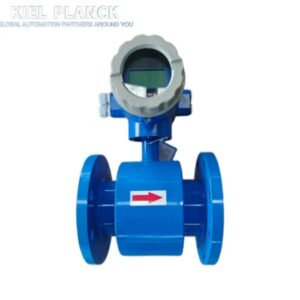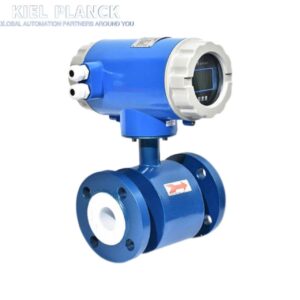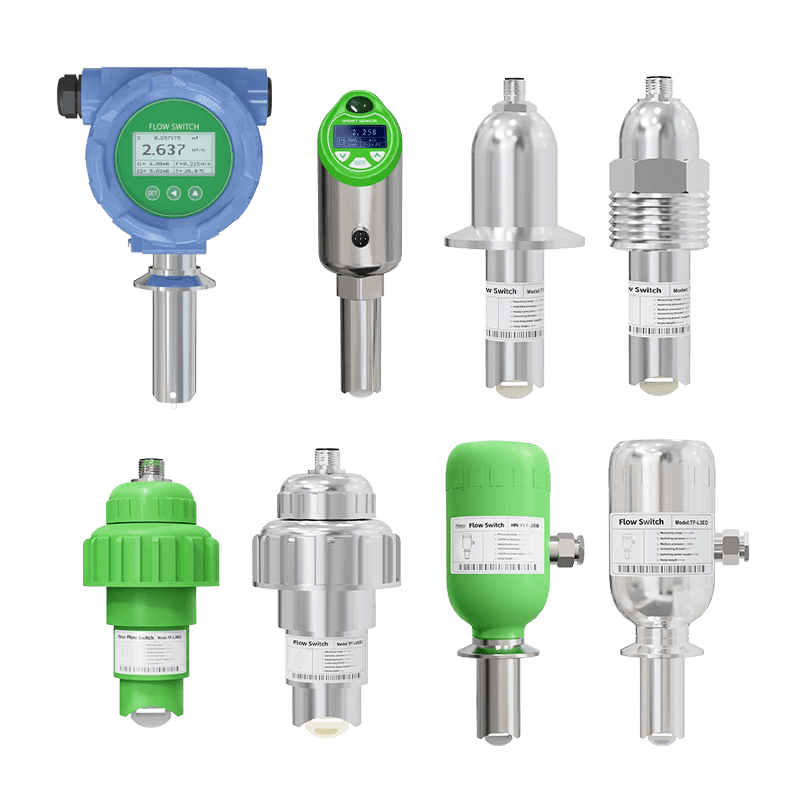
When selecting differential pressure flow switches for large and medium-sized chiller units, it is necessary to comprehensively consider system characteristics, safety requirements, and equipment compatibility.
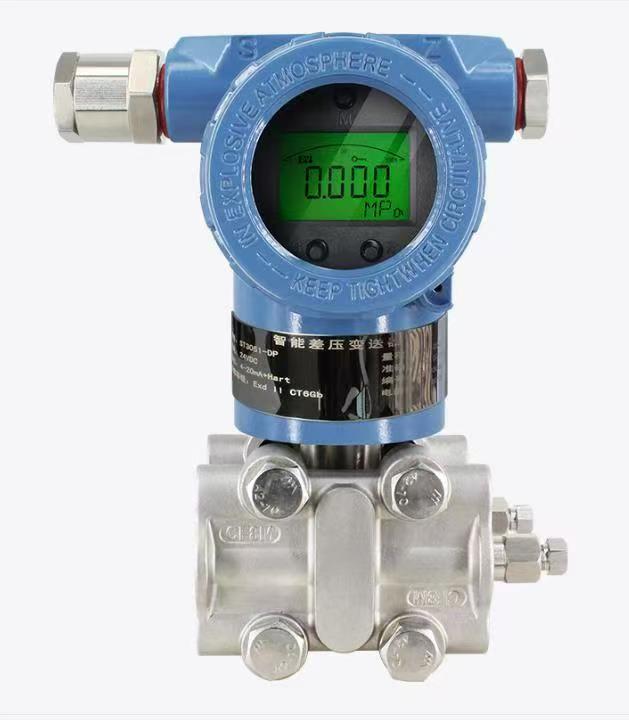
1. Understanding the Function of Differential Pressure Flow Switches
Differential pressure flow switches determine whether the flow rate is normal by monitoring the pressure difference generated by the fluid in the pipeline. They are commonly used in chiller units for flow protection, preventing evaporator freezing or compressor overheating due to water shortage or insufficient flow.
2. Selection Criteria
System Flow Range: Select the switch’s range based on the chiller unit’s design flow rate (usually the water flow rate under rated operating conditions). The switch’s minimum starting differential pressure should be less than the system’s normal operating differential pressure, but greater than the system’s potential differential pressure.
Differential Pressure Setpoint: Generally set to 70%–90% of the system’s normal operating differential pressure to ensure protection is triggered before the flow rate drops to a dangerous level. For example, if the system’s normal differential pressure is 50 kPa, the switch can be set to 35–45 kPa.
Response Time: Select a switch with a fast response time (usually ≤2 seconds) to quickly shut down the unit and prevent equipment damage.
Material and Pressure Rating: Select corrosion-resistant and high-pressure-resistant materials (such as brass or stainless steel) based on the system medium (water or glycol solution) and operating pressure, ensuring that the pressure rating is higher than the system operating pressure.
Installation Location: Typically installed on the evaporator inlet and outlet pipes, or between the pump outlet and the unit inlet, ensuring accurate reflection of the unit’s water flow status.
3. Common Models and Parameter Reference
Measuring Range: Common ranges include 0–10 kPa, 0–50 kPa, and 0–100 kPa. The appropriate range must be selected based on the actual differential pressure of the system.
Output Signal: Mostly dry contact outputs (normally open/normally closed) for easy connection to the unit’s control circuit.
Protection Rating: For outdoor or humid environments, IP65 or higher protection rating is recommended.
4. Precautions
Avoid installing the switch near pipe bends or valves, as local disturbances may affect measurement accuracy.
Regularly calibrate the switch settings to ensure its sensitivity meets requirements.
For variable frequency pump systems, the impact of flow fluctuations on the switch must be considered; if necessary, select a model with a time delay function.
5. Typical Selection Example
Assuming a chiller unit has a rated water flow rate of 200 m³/h and a design differential pressure of 40 kPa at the evaporator inlet and outlet, a differential pressure flow switch with a range of 0–60 kPa, a setpoint of 30 kPa, and a response time ≤ 1.5 seconds can be selected. Ensure that its material is stainless steel and its protection rating is IP67.
By following the above steps, it can be ensured that the selected differential pressure flow switch can effectively protect the equipment and is highly matched to the system operating parameters.
Scan the QR code to receive more detailed information.