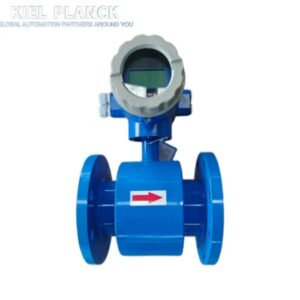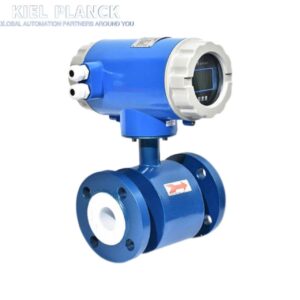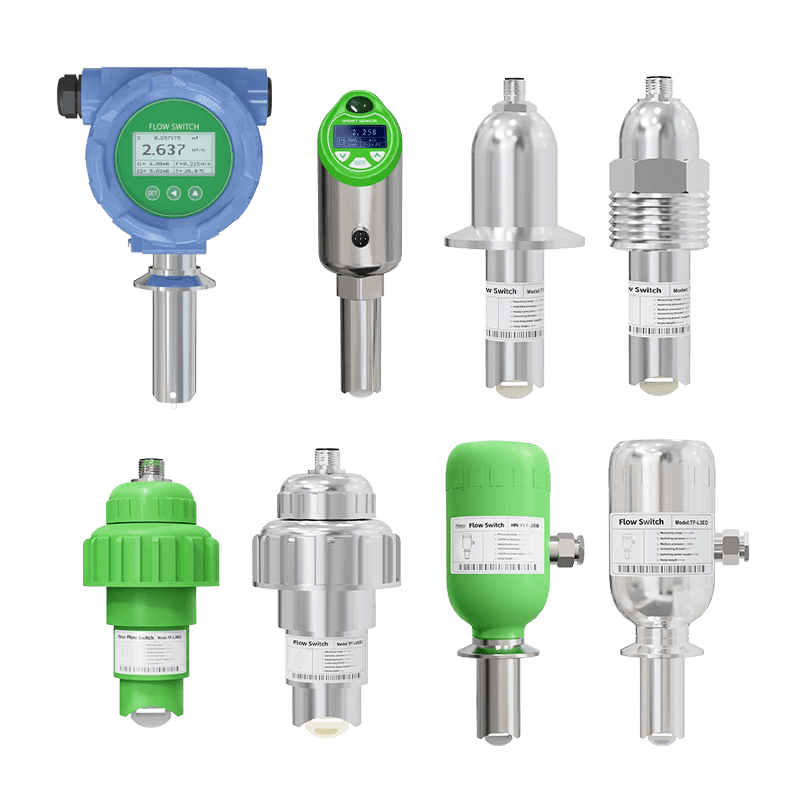
Turbine flow meters must be installed with sufficient straight pipe sections before and after the flow, filters must be added, they must be installed in the flow direction and vibration and interference must be prevented. Maintenance requires regular cleaning of the impeller bearings, inspection of wear and timely calibration.
I. Installation Requirements
Straight Pipe Section: 10D before and 5D after, away from elbows, valves, and pumps causing turbulence.
Direction: Install in the direction of flow as indicated by the arrow on the casing; horizontal or vertical installation is acceptable. For vertical installation, the medium should be installed from bottom to top.
Pipeline: The medium must be clean and free of impurities. Install a filter at the front end. Installation in negative pressure sections is strictly prohibited to prevent cavitation.
Environment: Avoid strong vibrations, strong electromagnetic interference, and exposure to direct sunlight and rain. In explosion-proof environments, wiring should follow explosion-proof specifications.
Sealing and Grounding: The flange gasket should not protrude into the pipe. Reliable grounding is essential. Signal lines should be shielded and run in separate conduits.
II. Usage Precautions
Operation beyond the rated pressure, temperature, and flow range is strictly prohibited. Prolonged operation at excessively low flow rates can lead to inaccurate metering.
Start the unit slowly, increasing pressure and opening valves gradually to avoid water hammer damage to the impeller bearings.
The medium must not contain mud, sand, fibers, or viscous impurities to prevent impeller jamming.
III. Daily Maintenance
Regular Inspection: Check for leaks, loose wiring, and stable flow display. Periodic Disassembly and Inspection: Disassemble and clean the impeller and bearings every 6 months to 1 year to remove scale and debris.
Lubrication and Maintenance: Regularly add special lubricating oil to mechanical bearing types to extend their service life.
Calibration and Verification: Perform on-site calibration or submit for inspection annually to ensure measurement accuracy.
IV. Simple Troubleshooting for Common Faults
No flow rate display: Check power wiring, impeller jamming, or preamplifier malfunction.
Excessive flow rate fluctuation: Insufficient straight pipe section, pipe vibration, or medium containing air bubbles or impurities.
Inaccurate metering: Impeller wear, bearing aging, or flow rate below the lower limit.
Scan the QR code to receive more detailed information.