

Pressure Transmitters for Hydraulic Stations: 0.5 Class or 0.25 Class Accuracy?
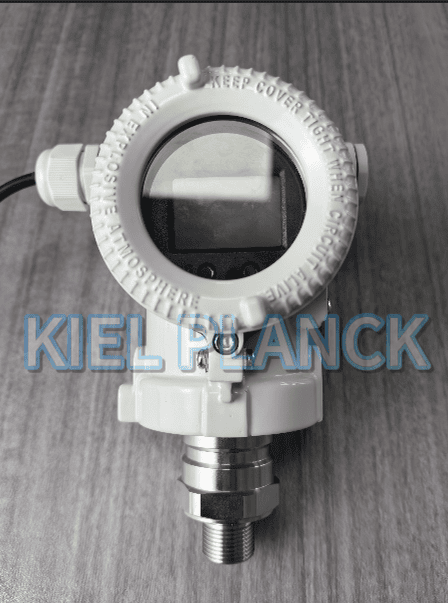
When specifying pressure transmitters for hydraulic stations, engineers frequently face the dilemma: choosing 0.5 class or 0.25 class accuracy.
Media Compatibility of Pressure Transmitters for Hydraulic Stations: How to Differentiate Between Hydraulic Oil, Water-Glycol and Emulsion
Many premature failures of hydraulic station pressure transmitters arise not from overload or vibration, but from mismatched wetted materials for process fluids. Hydraulic oil, water-glycol and emulsion are three widely used hydraulic media, yet they impose completely different chemical requirements on transmitter diaphragms and elastomer seals. Engineers often select one standard transmitter model for all three fluids, which leads to seal swelling, hardening, diaphragm corrosion and signal drift after several months
Frequent Signal Jumping of Pressure Transmitters in Hydraulic Stations: Troubleshoot Step by Step with These 6 Checks
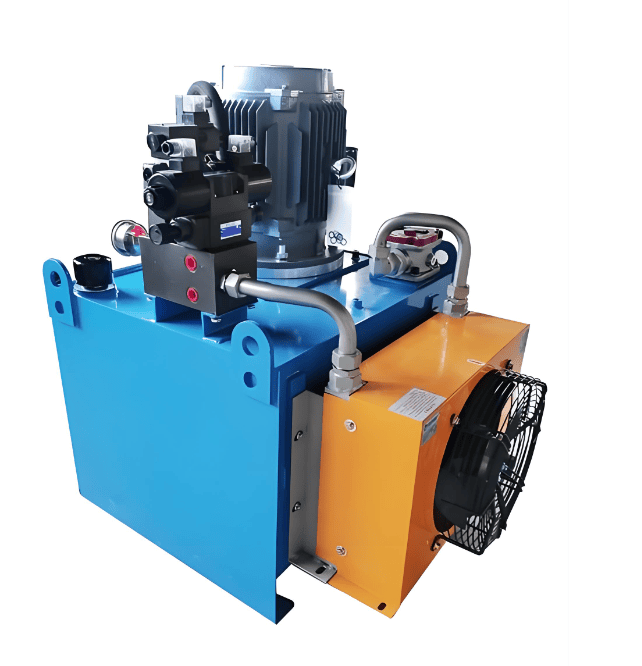
Random and frequent signal fluctuation of pressure transmitters is one of the most common and troublesome faults on hydraulic stations. The unstable readings disturb closed-loop control logic, trigger false safety alarms and cause abnormal movement of hydraulic actuators
What Makes Single-Crystal Silicon Pressure Transmitters Stand Out on Hydraulic Stations: 5 Core Advantages
Hydraulic stations feature cyclic pressure pulsation, instantaneous pressure spikes, continuous mechanical vibration and fluctuating oil temperature, which easily cause zero drift and premature failure of conventional pressure transmitters. Single-crystal silicon pressure transmitters have gradually become the preferred option for high-end hydraulic control systems. Many users only notice their high accuracy, while overlooking five critical material and structural advantages tailored for hydraulic working conditions.
Hydraulic Station Pressure Transmitters vs General Pressure Transmitters: The 4 Key Design Differences
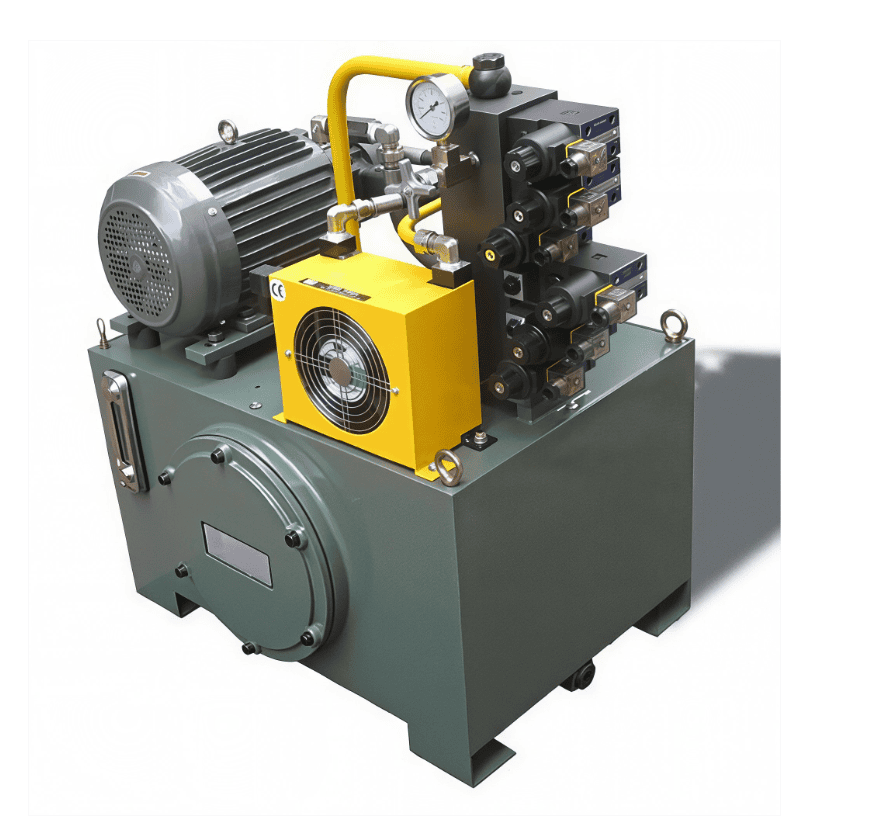
Many system integrators make the mistake of using general-purpose pressure transmitters for hydraulic station applications, assuming that as long as the pressure range matches, the sensor will work reliably.
Why Do Pressure Transmitters on Hydraulic Stations Always Fail First Near Pump Outlets
n hydraulic station field maintenance, a recurring phenomenon stands out: pressure transmitters installed close to pump outlets consistently suffer premature failure, while identical models mounted elsewhere on the same circuit remain functional for years. Many maintenance teams attribute this issue to poor product quality and repeatedly replace damaged sensors, yet failures keep reoccurring.
Wrong Mounting Position of Pressure Transmitters on Hydraulic Stations: Readings May Deviate by Up to 10%
Pressure measurement accuracy of hydraulic systems is not only determined by transmitter precision, material quality or calibration. Improper mounting location is often an overlooked source of measurement error. In many hydraulic station projects, engineers install pressure transmitters based on convenience rather than fluid dynamic characteristics, resulting in reading deviations as high as 10%.
How to Determine Pressure Transmitter Range for Hydraulic Stations: Stop Simply Copying the Pump’s Rated Pressure
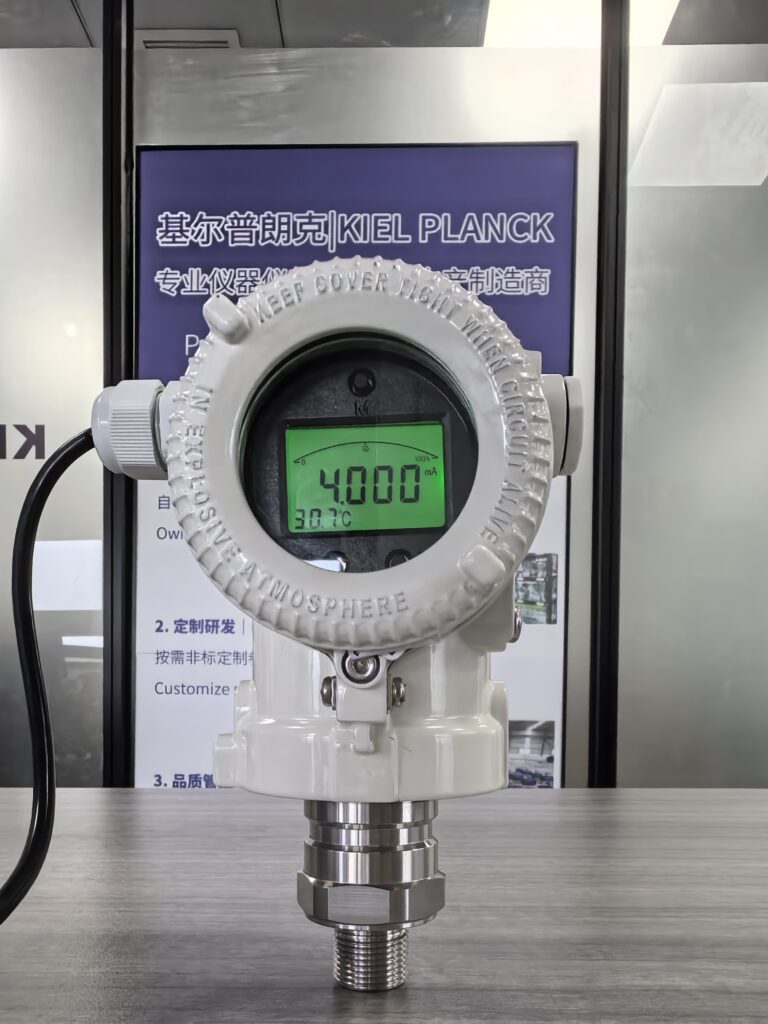
Many engineers directly set the pressure transmitter measuring range equal to the hydraulic pump’s rated pressure during hydraulic station design and procurement.
How to Select Pressure Transmitters for Hydraulic Stations: Check These 7 Working Condition Parameters
Hydraulic stations feature dynamic pressure pulsations, oil medium, vibration and frequent pressure spikes, making pressure transmitter selection far more complex than static process measurement.

