

Accuracy Compensation Technology for Ultrasonic Flowmeters
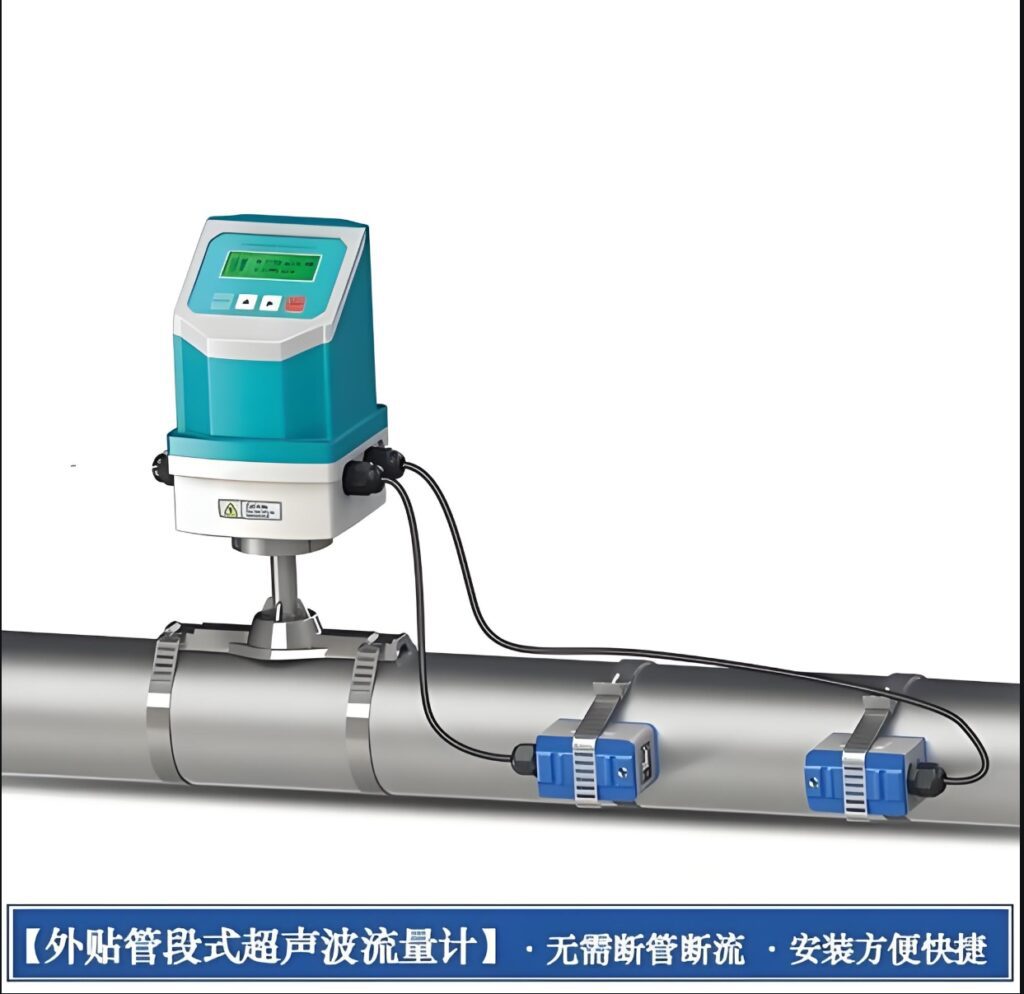
Ultrasonic flowmeters are widely used in industrial fluid measurement due to their non-intrusive structure, zero pressure loss and wide applicability. However, their measurement accuracy is severely compromised under complex working conditions including gas-liquid two-phase flow, high temperature and high turbidity. Bubbles, suspended particles and extreme temperature environments cause ultrasonic signal attenuation, scattering and velocity deviation, resulting in significant flow data drift and fluctuation.
Comparison of Ultrasonic Flow Meter Operating Conditions
Flow measurement is a fundamental component of industrial process control, energy metering, and fluid pipeline management. Ultrasonic, electromagnetic, and turbine flowmeters are three of the most widely used flow measurement devices in modern industrial systems, each with unique structural principles, performance characteristics, and applicable scenarios. Selecting a suitable flowmeter directly affects measurement accuracy, operational stability, and project economic benefits.
Causes of Measurement Fluctuations and Signal Loss in Ultrasonic Flowmeters
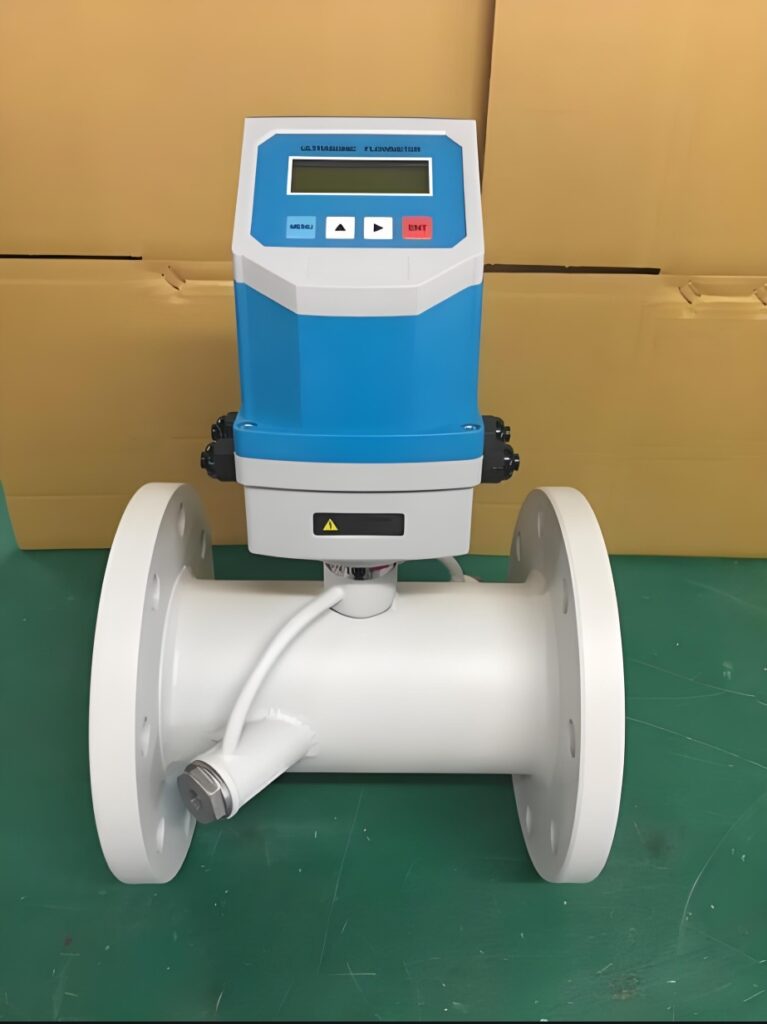
Spool-piece ultrasonic flowmeters are widely adopted in industrial fluid measurement due to their high accuracy, zero pressure loss, and strong adaptability to clean liquid and gas media. Unlike clamp-on ultrasonic flowmeters, integrated spool-piece sensors feature factory-calibrated pipelines and integrated transducer structures, ensuring more stable and reliable measurement performance.
Specifications for Selection and Installation of Spool-Piece Ultrasonic Flowmeters
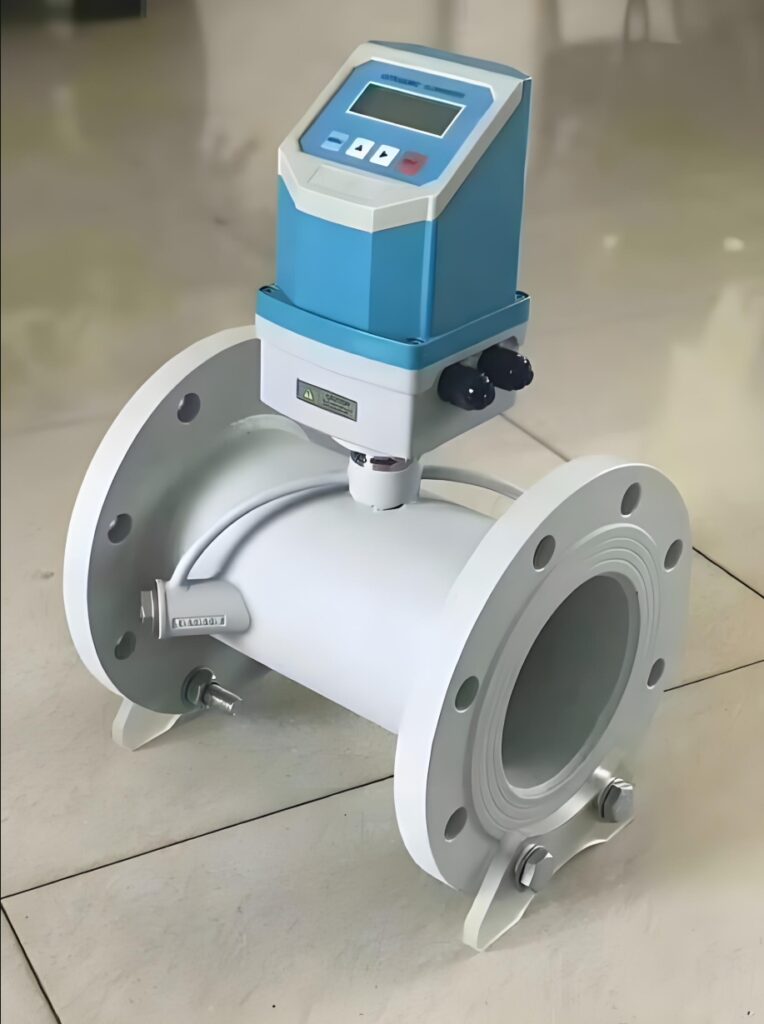
Spool-piece ultrasonic flowmeters are widely adopted in industrial fluid measurement due to their high accuracy, zero pressure loss, and strong adaptability to clean liquid and gas media. Unlike clamp-on ultrasonic flowmeters, integrated spool-piece sensors feature factory-calibrated pipelines and integrated transducer structures, ensuring more stable and reliable measurement performance.
How to select the frequency based on different storage tank operating conditions?
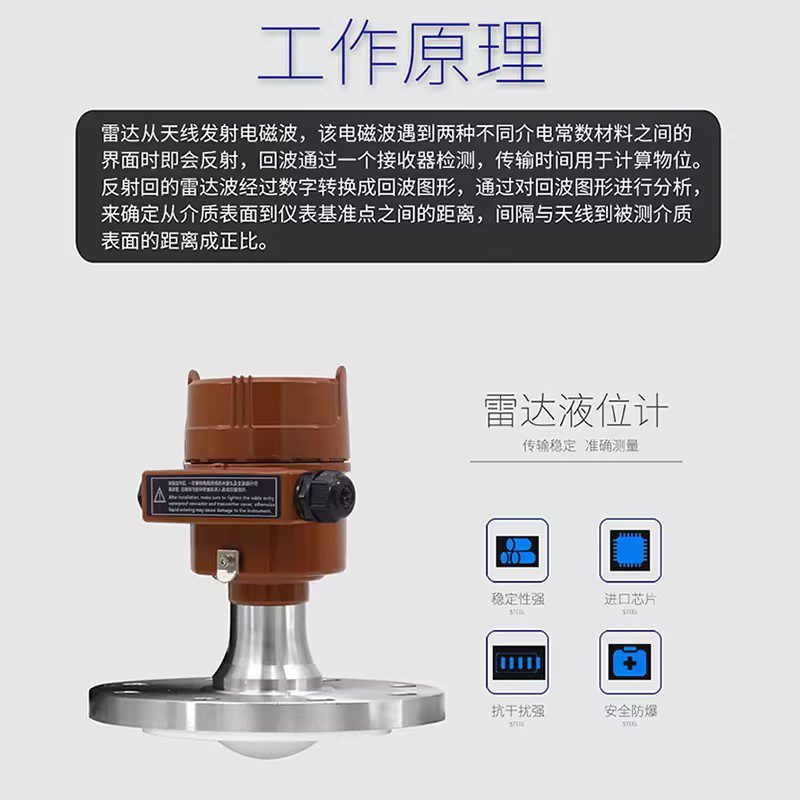
High-frequency non-contact radar level meters are widely used in industrial tank measurement, with 6GHz, 26GHz, and 80GHz being the three mainstream frequency bands. Although all of them adopt microwave time-of-flight measurement theory, differences in frequency, wavelength, beam angle and signal characteristics lead to distinct performance in measurement accuracy, anti-interference ability and environmental adaptability.
Structure and Operating Principles of Guided Wave Radar and Non-Contact Radar Level Gauges
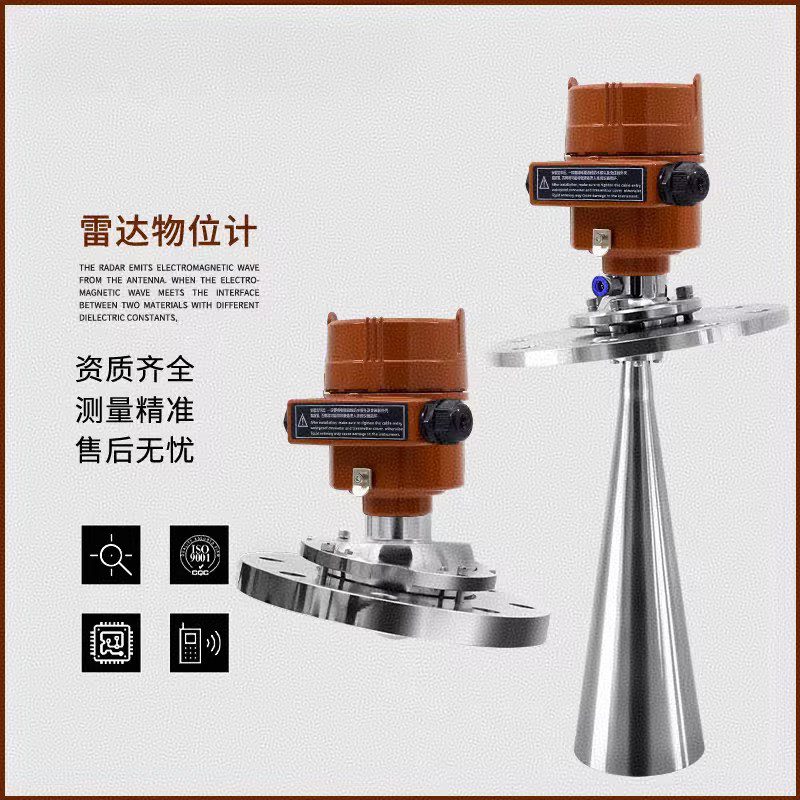
Guided wave radar and non-contact radar are two mainstream radar level measurement technologies widely used in industrial process monitoring. Although both work based on microwave electromagnetic wave reflection theory, they differ fundamentally in structural design, working mechanisms, and medium applicability. Guided wave radar adopts contact probe transmission, while non-contact radar realizes non-invasive measurement through air-propagating microwaves.
Principle Comparison and Application Scenarios of Pulse Radar and FMCW Radar Level Meters
As two mainstream types of radar level measuring equipment, pulse radar and Frequency Modulated Continuous Wave (FMCW) radar level meters are widely used in industrial liquid and solid level monitoring. Both devices rely on the reflection principle of high-frequency microwaves, but they adopt completely different signal transmission and data processing mechanisms, leading to significant differences in measurement accuracy, anti-interference performance and applicable working conditions.
Basic Measurement Principle of Radar Level Meters
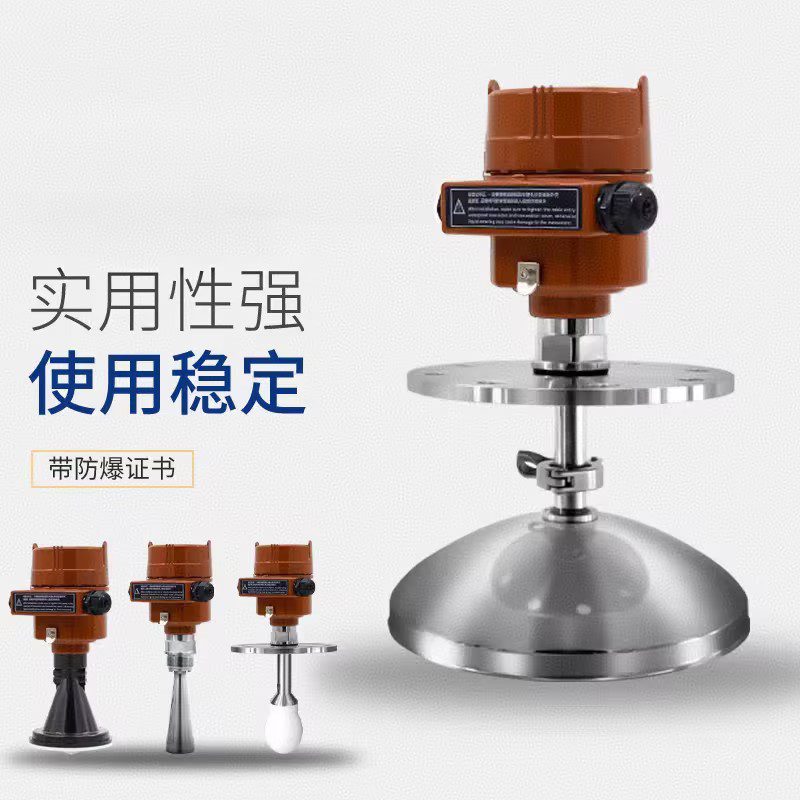
Radar level meters are widely adopted industrial measuring instruments for liquid and solid level monitoring, featuring high precision, strong stability, and excellent adaptability to harsh working conditions. Different from traditional mechanical and ultrasonic level measuring devices, radar level meters work based on the propagation and reflection law of high-frequency electromagnetic waves.
Intelligent Upgrade and Digital Transformation of Traditional Impeller Flowmeters
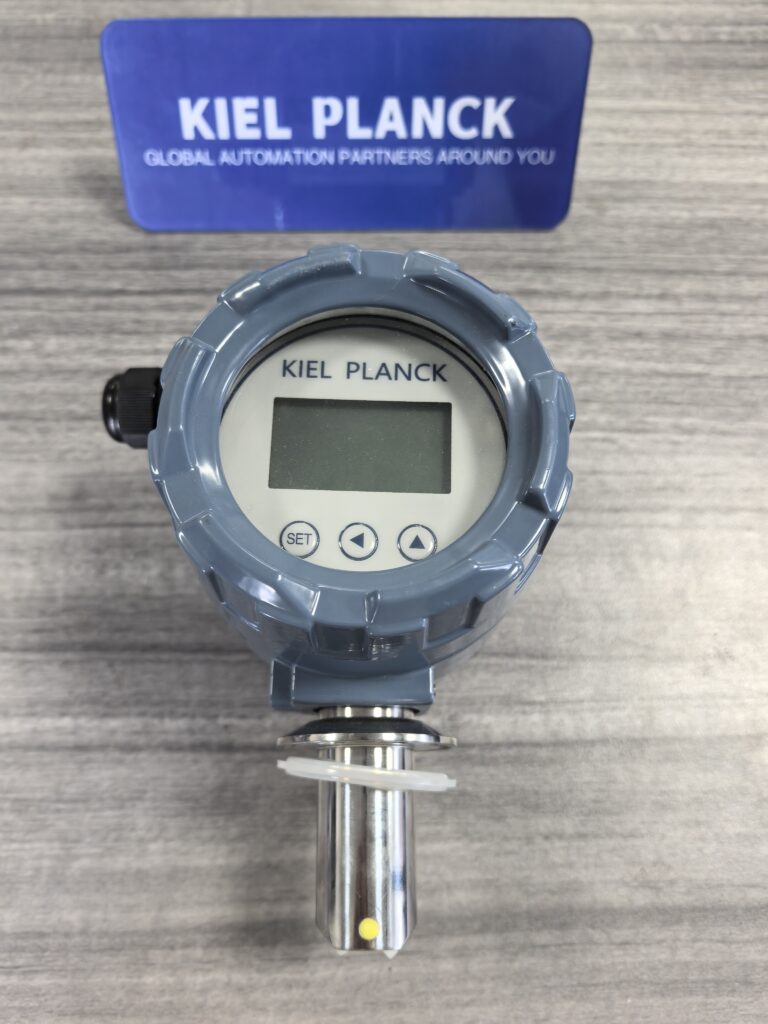
Traditional impeller flowmeters have been widely used in industrial fluid measurement for decades due to their simple structure, reliable mechanical performance and low manufacturing cost. As typical mechanical velocity-type measuring instruments, they can basically meet the basic flow metering demands of conventional industrial scenarios. However, with the rapid development of industrial digitization, smart factories and automated process control systems, traditional mechanical flowmeters expose prominent limitations.

