

What are the methods for testing the dielectric strength of float level switches?
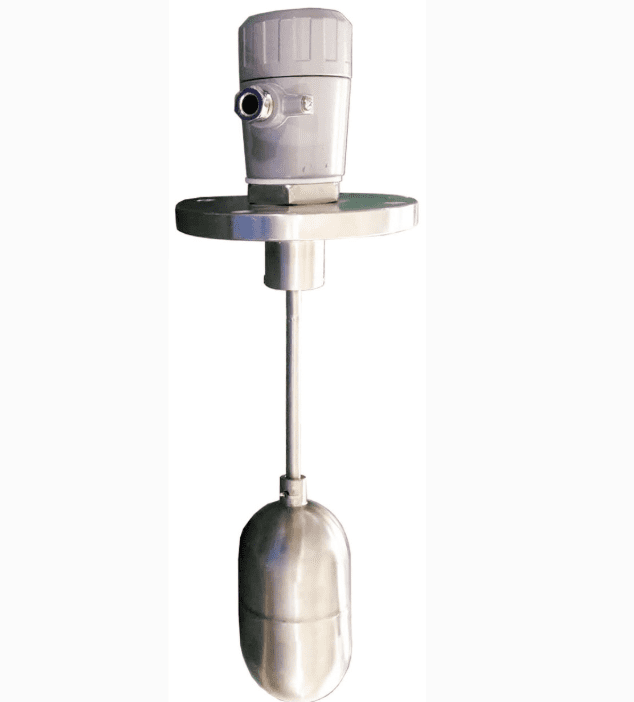
Four types of test methods for dielectric strength (withstand voltage) of float level switches (applicable to reed type/transmitter type, according to GB/T14536.17, GB/T21418, IEC60730)
What is the temperature rise test limit for a float level controller?
Temperature rise limits for float level controllers (GB/T14048, IEC60947 general standards, reed/electromagnetic coil listed separately, temperature rise unit K=℃ temperature difference)
Dual float level switch in low-temperature liquid nitrogen environment
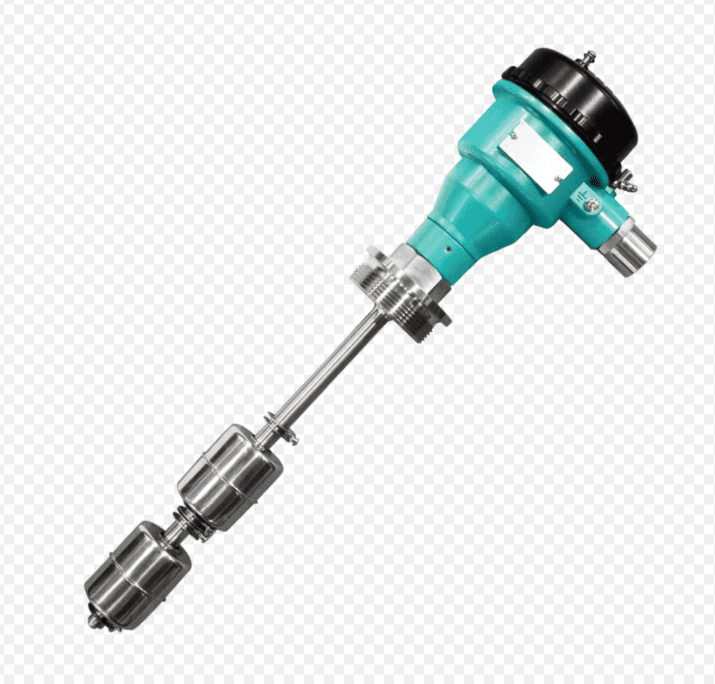
Dual float level switch – Risk assessment of brittle fracture under 196℃ liquid nitrogen conditions
Salt spray test duration for dual float level switches
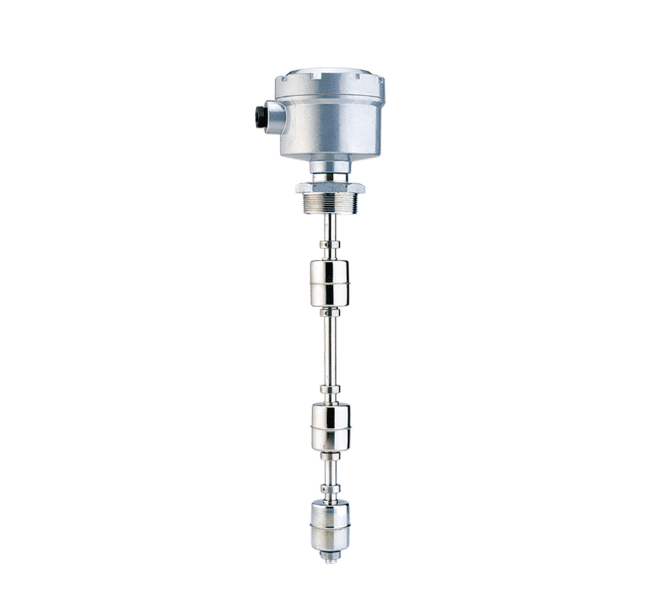
The salt spray test of the dual float level switch is based on GB/T10125-2021 and ISO9227 neutral salt spray test specifications, using a 5% sodium chloride solution and a 35℃ test environment. It is divided into four corrosion resistance levels according to the usage environment, corresponding to different test durations.
Common faults of float level switches
Common Faults, Causes, Troubleshooting, and Routine Maintenance of Float Level Switches
I. Common Faults, Causes, and On-site Troubleshooting Methods
Compact temperature transmitter
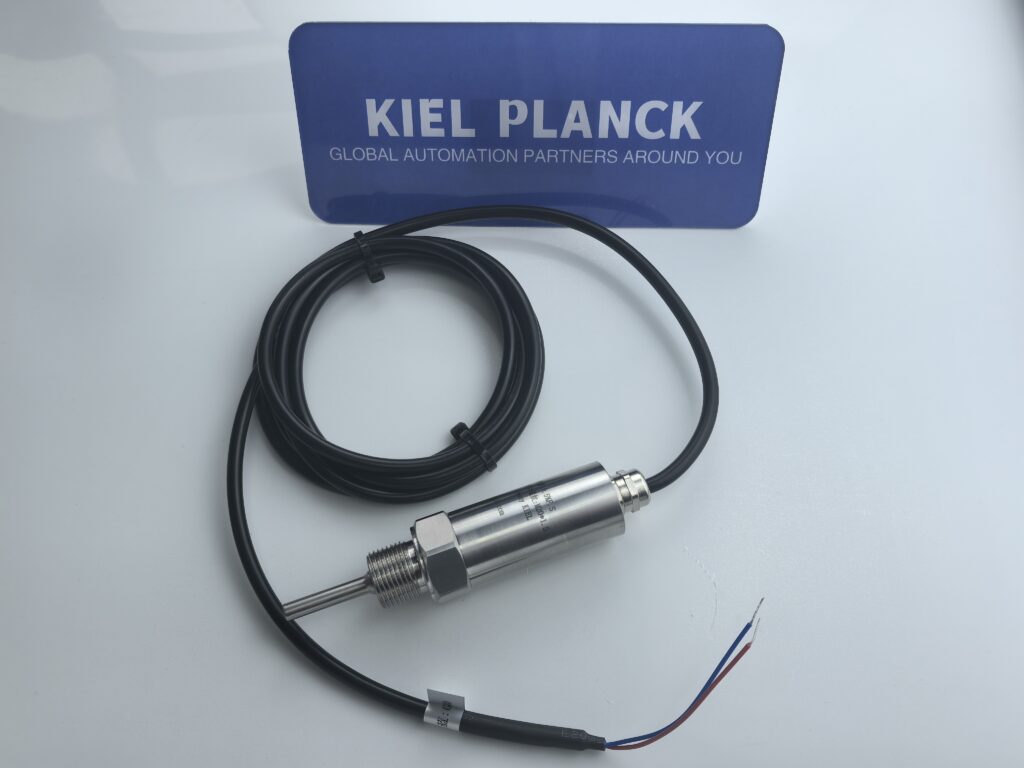
In modern industrial automated production, temperature is a core parameter for controlling process quality, ensuring equipment safety, and achieving energy conservation and consumption reduction. Traditional temperature measurement equipment is bulky, has complicated wiring, weak anti-interference capabilities, and limited adaptability, making it difficult to meet the production needs of confined equipment spaces, complex working conditions, and high-precision temperature measurement.
Introduction and wiring of temperature transmitters
An integrated temperature transmitter consists of a resistance temperature detector (Pt100) or thermocouple sensing element, a transmitting circuit, and a protective sheath. It is a commonly used temperature measuring instrument in industrial settings.
Common Fault Causes and Maintenance Methods of Integrated Temperature Transmitters
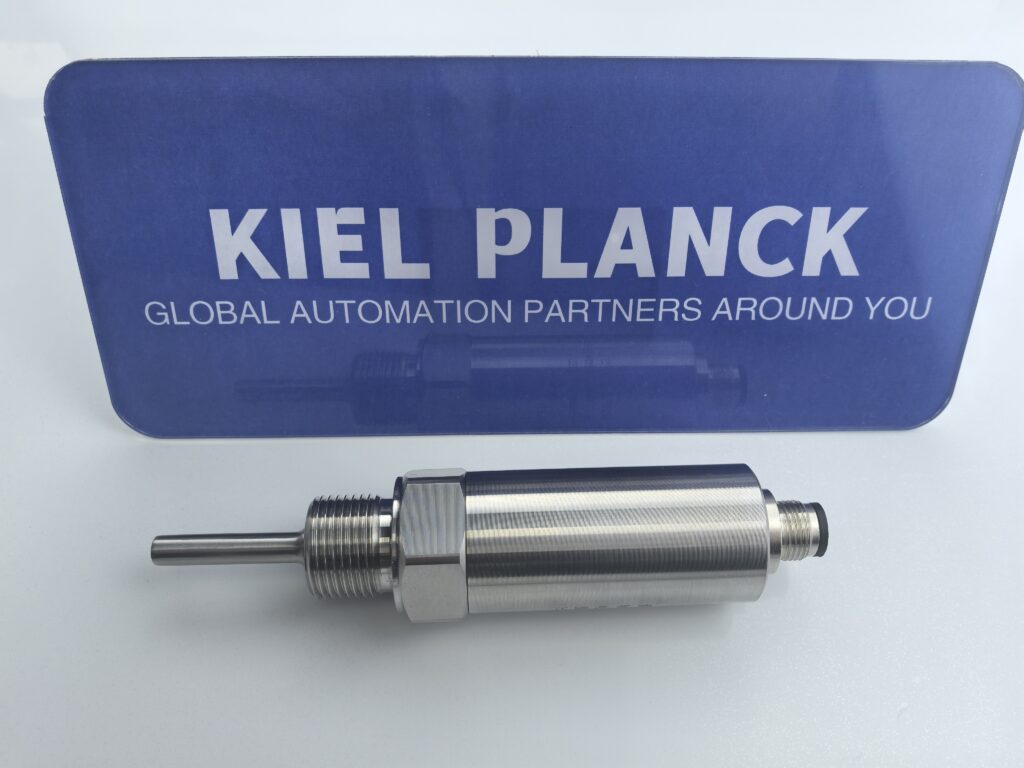
Integrated temperature transmitters combine temperature sensing elements and transmission modules, directly converting RTD and thermocouple signals into 4-20mA standard current. They are widely used in on-site temperature measurement in chemical, heating, and metallurgical industries. However, they are prone to failure due to environmental factors, wiring issues, and component aging. Proper maintenance can significantly extend their service life.
Pressure switches enable safe and efficient operation of water pump lubrication systems
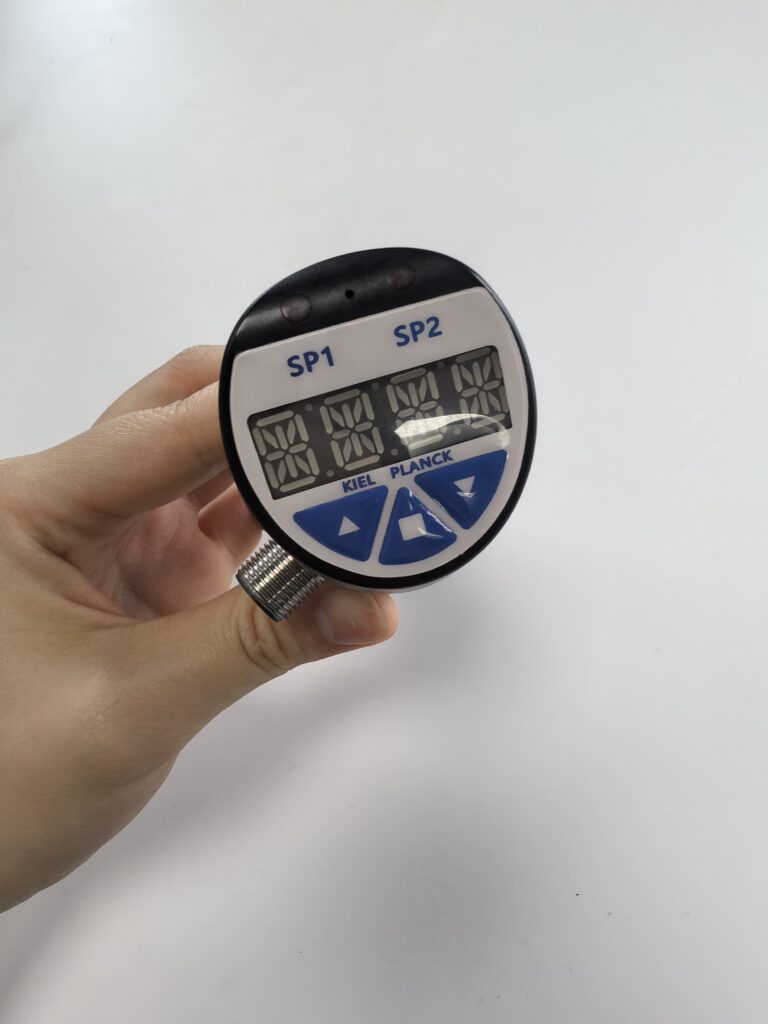
Water pumps are core power equipment in thermal power, cogeneration, and industrial heating systems, undertaking the critical task of pressurizing the water supply to the unit. Feedwater pumps are high-speed, heavy-duty, and precision equipment; their core components, such as bearings and shaft seals, rely on a continuous lubrication and cooling system.

