
What Makes Monocrystalline Silicon Cores Superior for Pressure Transmitters
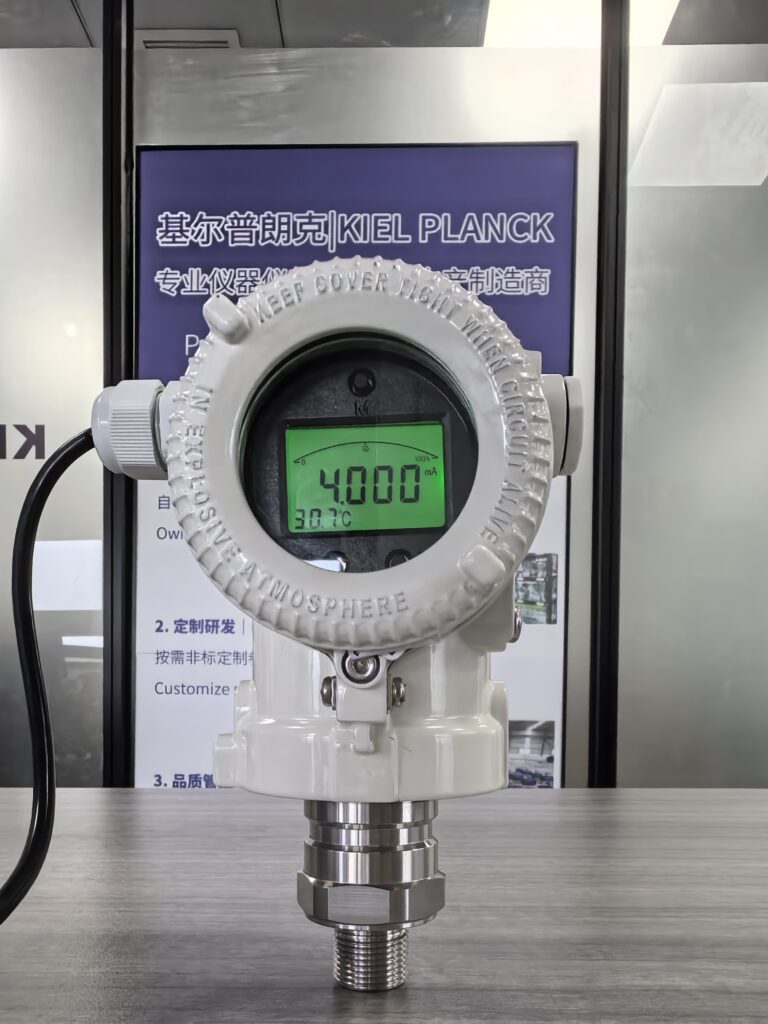
Most industrial users evaluate pressure transmitters merely based on nominal accuracy and price, failing to recognize that the sensor core material determines long-term stability, temperature adaptability and anti-fatigue performance.
Temperature Drift and Aging (Time Drift): Is a higher SIL rating better?
Most users select pressure transmitters relying solely on nameplate accuracy, range and explosion-proof grade, while ignoring two hidden failure risks: temperature drift and time drift.
Hydrogen Production via Water Electrolysis: Alkaline and PEM Technologies Have Different Instrumentation Requirements
Water electrolysis is the core technology for green hydrogen production, mainly divided into alkaline water electrolysis (AEL) and proton exchange membrane electrolysis (PEM) technologies.
70 MPa Hydrogen Refueling Stations: What Are the Selection Criteria for Pressure Transmitters?
With the accelerating localization of industrial instrumentation, replacing expensive imported pressure transmitters with cost-effective domestic alternatives has become a mainstream trend in petrochemical, power and process industries.
Three Key Checks Most Often Overlooked When Replacing Imported Products
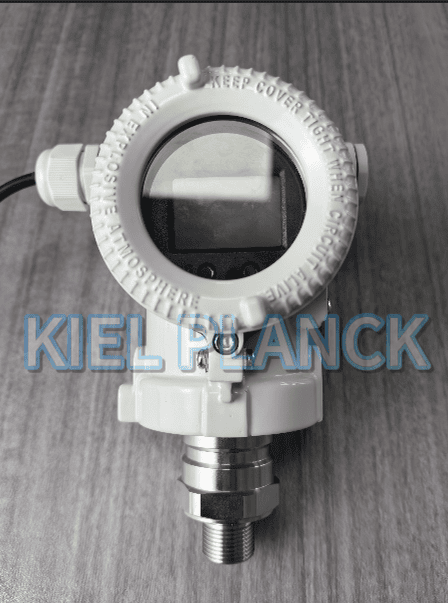
With the accelerating localization of industrial instrumentation, replacing expensive imported pressure transmitters with cost-effective domestic alternatives has become a mainstream trend in petrochemical, power and process industries.
Flameproof vs Intrinsically Safe: The Most Misfilled Item in Explosion-Proof Instrument Selection
Flameproof (Ex d) and intrinsically safe (Ex i) are the two most widely adopted explosion-proof protection modes for industrial instruments.
Why did the diaphragm drift after only six months if the wrong diaphragm was selected, even though the medium temperature was 180℃?
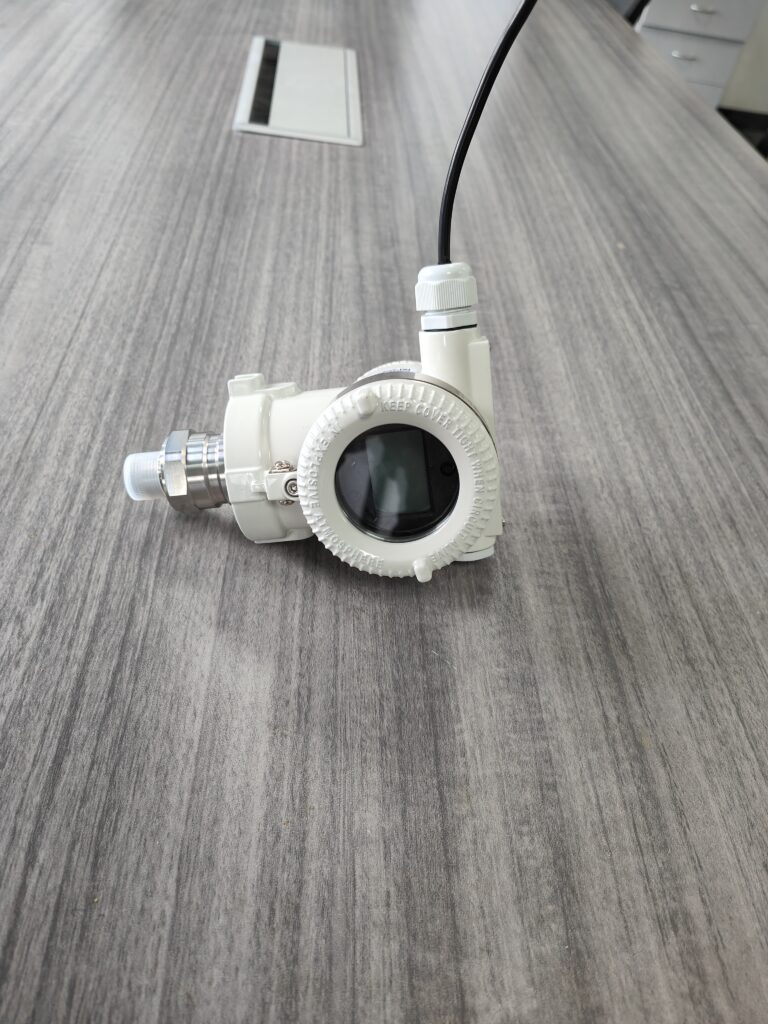
In industrial high-temperature process conditions with medium temperature up to 180°C, pressure transmitters often suffer from gradual zero drift, inaccurate readings and unstable output after only six months of operation. Most field maintenance personnel attribute such failures to instrument quality problems or conventional temperature drift, while ignoring the core cause: mismatched diaphragm material selection. Ordinary standard diaphragms lack high-temperature mechanical stability and corrosion resistance for 180°C continuous working conditions.
What happens if the selected measurement range is too large?
What Happens If You Choose an Excessively Large Range for Pressure Transmitters? Consequences Based on Three Typical Working Conditions
Monocrystalline Silicon vs Diffused Silicon Pressure Transmitters: Do Not Only Compare Accuracy
in industrial instrument selection, most users distinguish monocrystalline silicon and diffused silicon pressure transmitters merely by nominal accuracy parameters, ignoring essential differences in sensing principle, temperature stability, long-term drift, overload resistance and turndown ratio.

