

What is a thermal gas mass flow meter? — Principles, characteristics, and applications - Kiel Planck
  • Home
        • New Product

          What is a thermal gas mass flow meter? — Principles, characteristics, and applications - Kiel Planck

          There is a solution for every application. Let’s work together to find the right solution for you.

          Your benefits

          We use our experience to move your project forward.

          PHONE: 400-8868-261

          E-mail: info@kielplanckprc.com / kielplanck@outlook.com

  • Application
  • Service
  • Brand
  • Blog
  • Contact Us
What is a thermal gas mass flow meter? — Principles, characteristics, and applications - Kiel Planck
Blog

What is a thermal gas mass flow meter? — Principles, characteristics, and applications

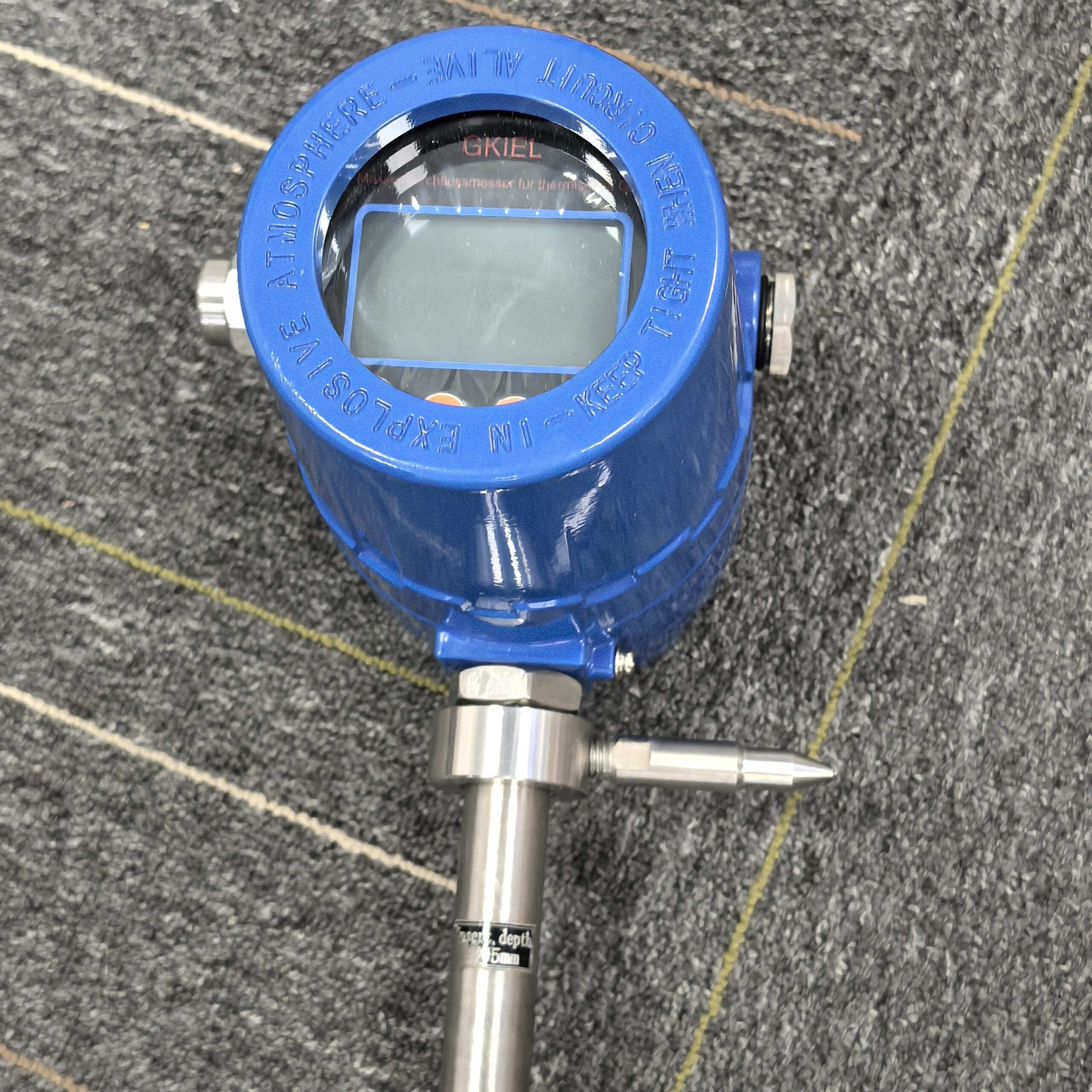
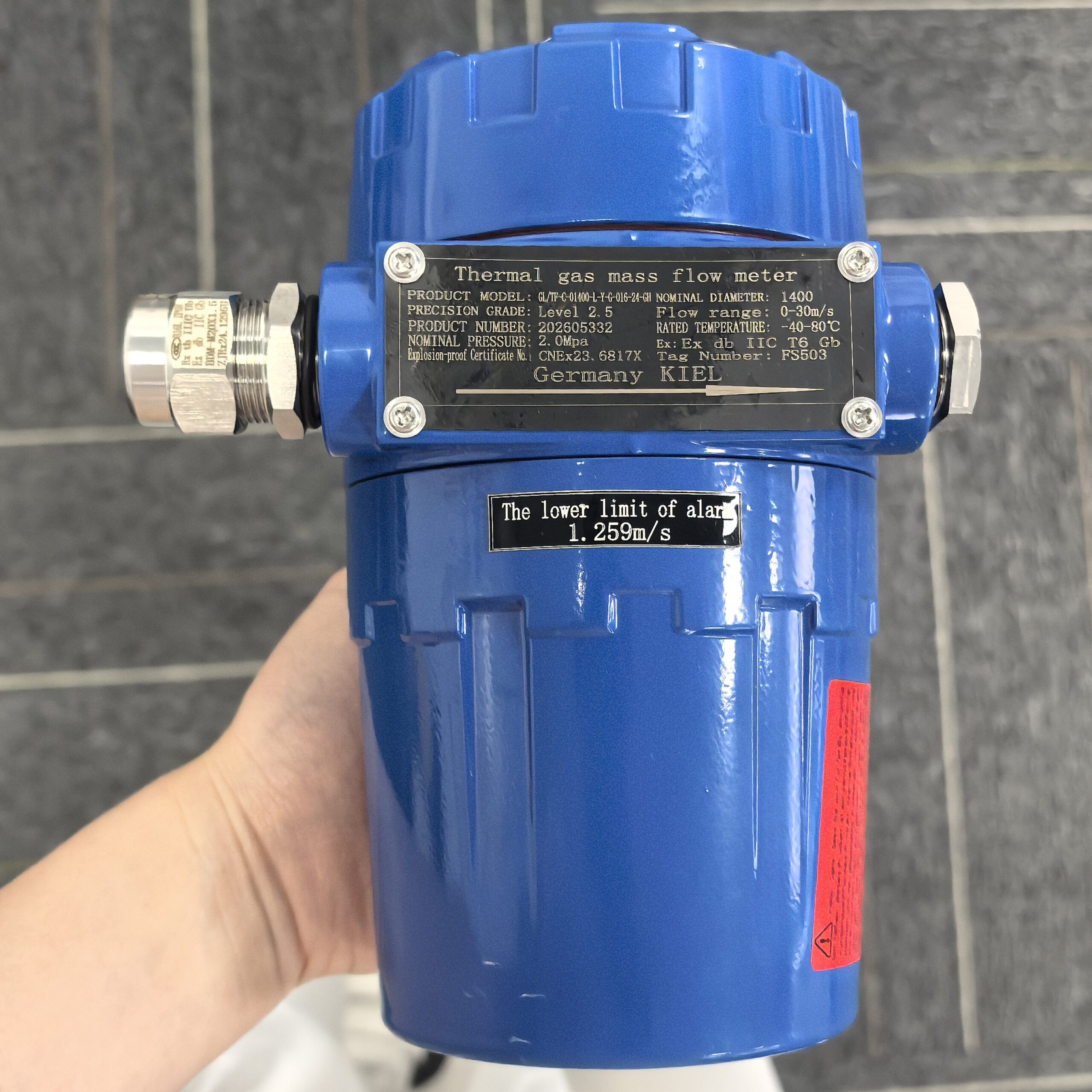
A thermal gas mass flow meter (also the core sensing unit of MFC, Mass Flow Controller) is an instrument that directly measures the mass flow rate of gas by detecting heat transfer between a heating element and flowing gas. It outputs mass flow signals without complex temperature and pressure compensation, dominating small-to-medium gas flow measurement in precision industries.
Application of capacitive level gauges in small nitrogen fertilizer plants - Kiel Planck
Blog

Application of capacitive level gauges in small nitrogen fertilizer plants

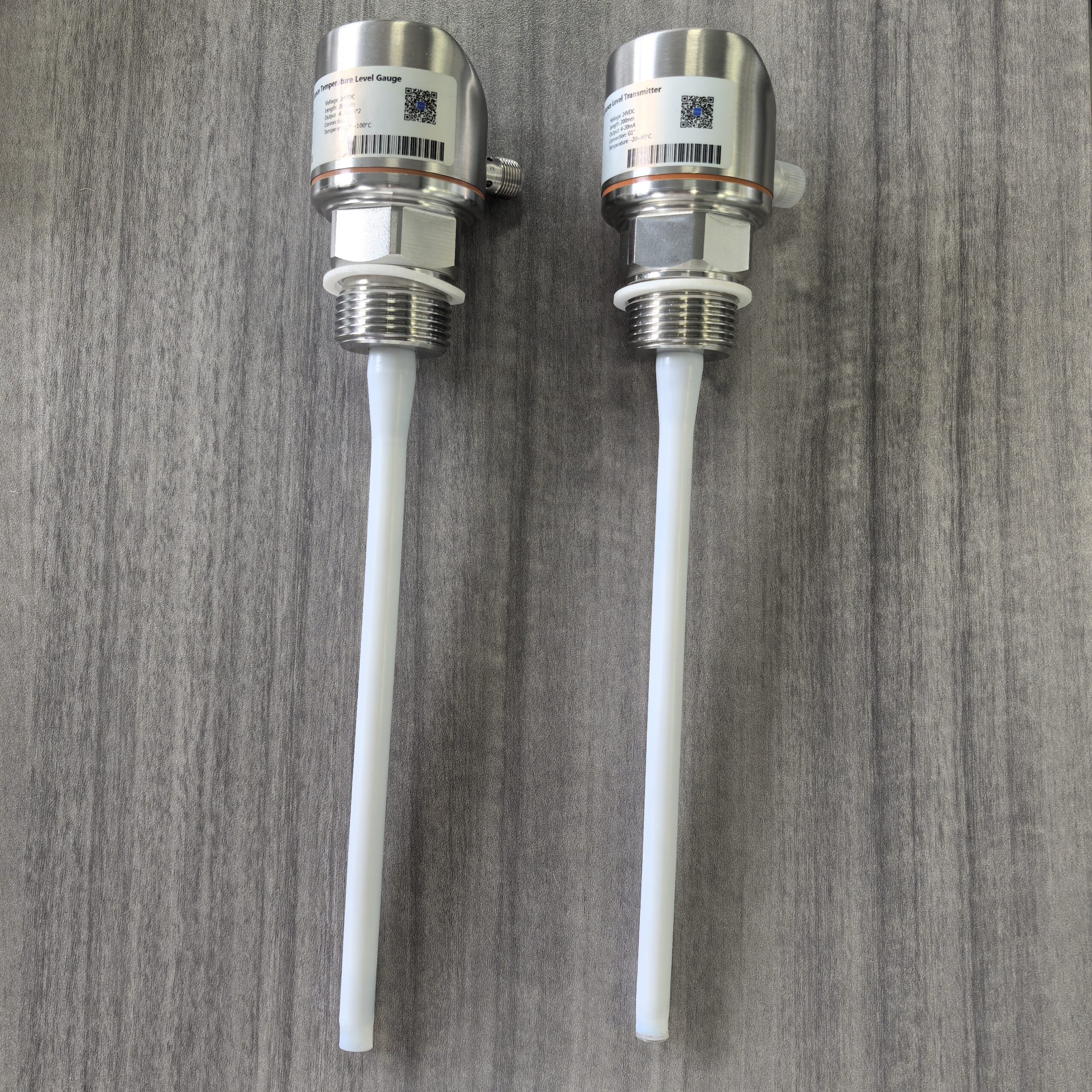
Small nitrogen fertilizer plants mainly produce urea, ammonium bicarbonate and other common agricultural fertilizers, involving gasification, carbonization, ammonia recovery, wastewater treatment and other complex production processes. The production environment features corrosive ammonia liquid, circulating desulfurization solution, high humidity, flammable and explosive ammonia gas, as well as medium adhesion and foam interference. Traditional level measuring instruments such as float level gauges and ultrasonic level gauges are prone to failure, stuck movement and inaccurate readings under such harsh working conditions

How to select a probe for a capacitive level gauge - Kiel Planck
Blog

How to select a probe for a capacitive level gauge

Probe selection for capacitive level gauges should consider medium type, anti-corrosion materials, measuring range, temperature and pressure resistance, special medium interference and actual installation methods to match proper probe styles and guarantee stable measurement.

Application scenarios of capacitive level gauges - Kiel Planck
Blog

Application scenarios of capacitive level gauges

Capacitive level gauges detect liquid, paste, powder and granular materials by capacitance variation, featuring corrosion resistance, wide temperature and pressure adaptability, explosion-proof options and compact structure. Their main application scenarios are classified by industry as follows.

What to do if a capacitive level gauge malfunctions? - Kiel Planck
Blog

What to do if a capacitive level gauge malfunctions?

Safety Operation Reminders
Cut off the power supply before disassembling the probe for cleaning or maintenance.
For storage tanks containing flammable, corrosive or high-temperature media, isolate the process pipeline, empty the tank and fully ventilate before any maintenance work.
Do not disassemble explosion-proof level gauges in hazardous areas without cutting off power.

In which fields are capacitive level gauges used? - Kiel Planck
Blog

In which fields are capacitive level gauges used?

Capacitive level gauges measure liquid/solid material levels based on the capacitance change between electrodes and media, featuring simple structure, wide adaptability, high temperature/pressure resistance, and strong anti-corrosion performance. Their main application industries are as follows:

Email
Email: info@kielplanckprc.com
WhatsApp
WhatsApp Me

