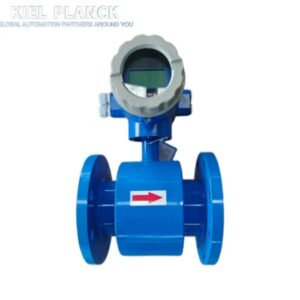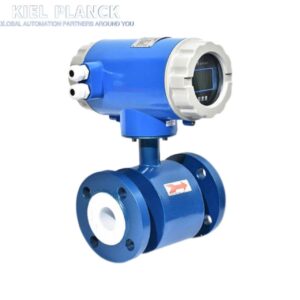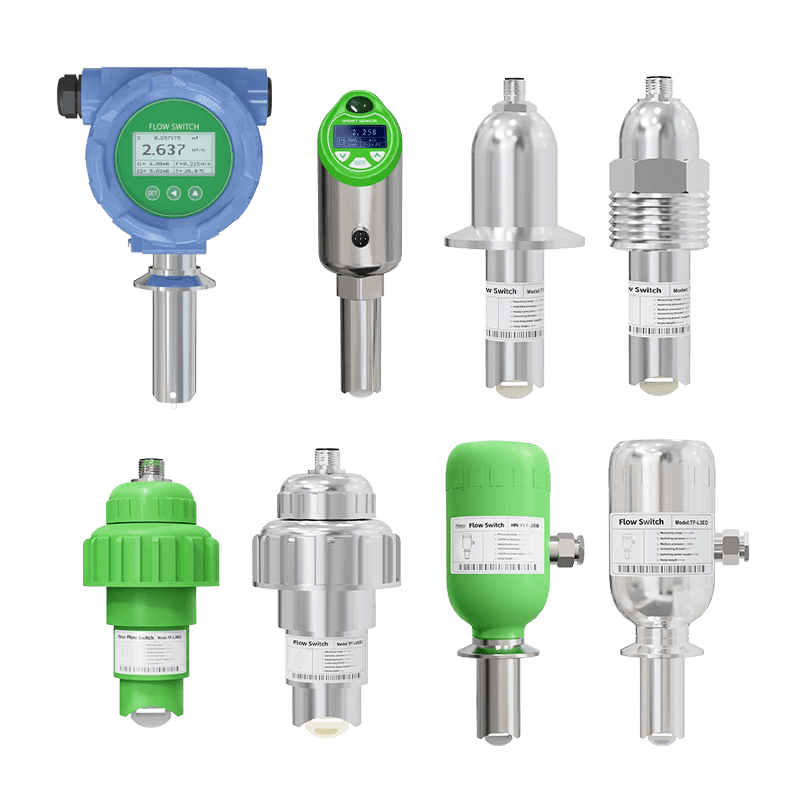
Metal tube rotor flowmeters have core advantages in wastewater treatment applications, such as accurate measurement, strong corrosion resistance, and easy installation. They are particularly suitable for treating wastewater environments containing impurities, with low flow rates, and low pressure, and can effectively improve wastewater treatment efficiency and management level.
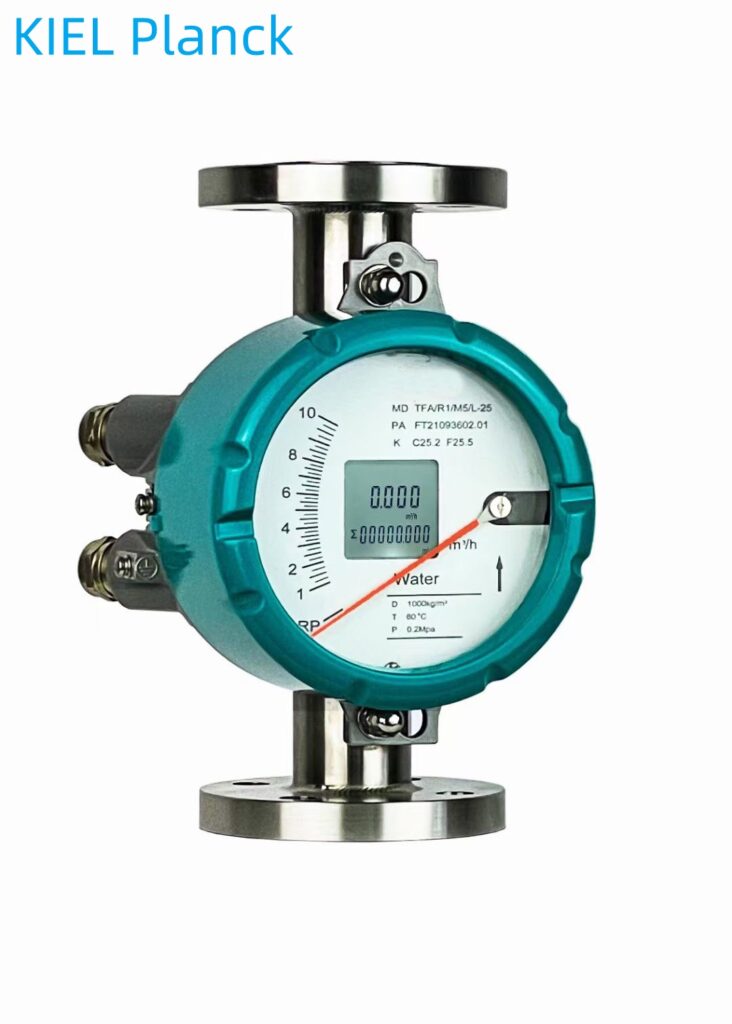
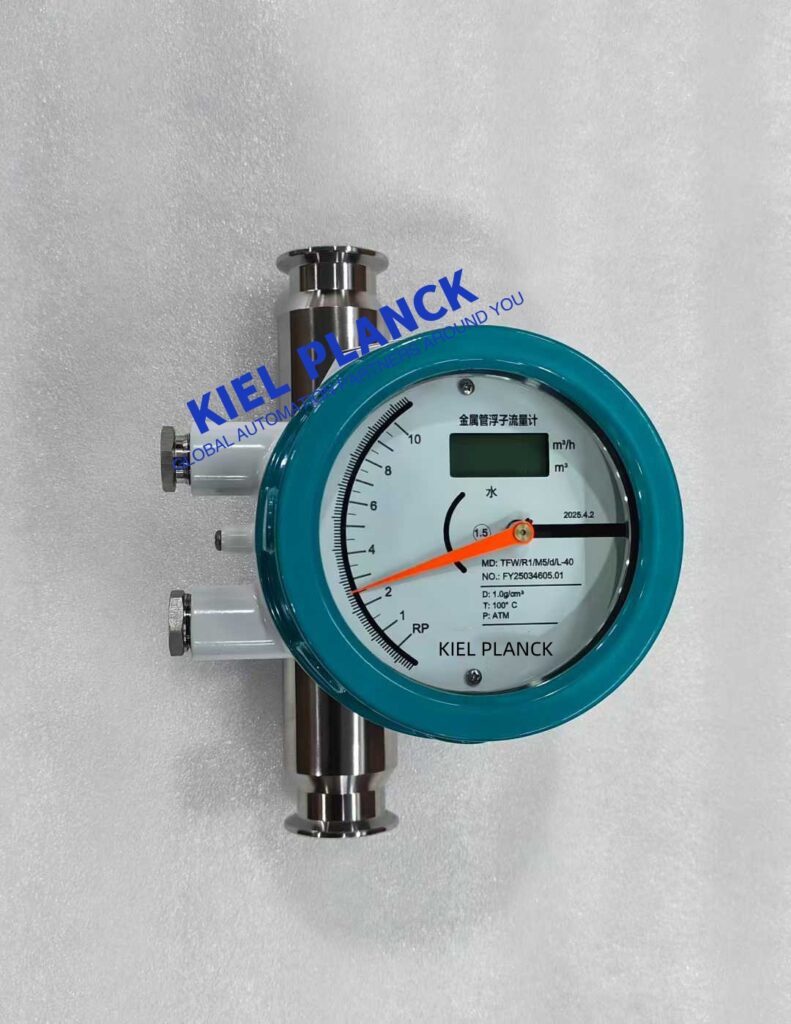
I. Core Applications of Metal Tube Rotameters in Wastewater Treatment Plants
Wastewater Flow Monitoring
Used for precise flow statistics at the influent and effluent stages of wastewater treatment plants, providing accurate data for wastewater treatment efficiency assessment and discharge calculation.
Suitable for measuring the dosage of chemical agents such as coagulants, flocculants, and chlorine, ensuring precise control of the treatment process.
Monitoring liquid flow in industrial wastewater and reclaimed water systems, providing data support for water resource management.
Adaptability to Special Operating Conditions
Specifically suitable for wastewater environments with low flow rates, low pressure, and impurities, effectively handling common complex operating conditions in wastewater treatment plants.
Can measure wastewater flow containing solid particles; insensitive to small amounts of impurities in the fluid, avoiding clogging or jamming problems.
Adaptable to corrosive media by selecting appropriate lining materials (such as PTFE, rubber) and electrode materials (such as 316L stainless steel, Hastelloy).
II. Key Advantages of Metal Tube Rotameters
Structural and Performance Advantages
All-metal structure, durable and robust: Both the tube body and float are made of high-strength metal materials, capable of withstanding high temperature and high pressure environments, and resistant to acid and alkali corrosion.
No power supply required, flexible installation: Metering is achieved solely by the fluid’s own power, without relying on an external power source, making it particularly suitable for remote outdoor monitoring points and workshop areas where wiring is inconvenient.
Intuitive and easy to read, simple operation: Clear graduations are marked on the outside of the tube, and the float position directly corresponds to the flow rate, allowing staff to quickly read the data without professional training.
High-precision measurement: Errors can be stably controlled within ±1.5%, ensuring the reliability of wastewater flow data.
Adaptable to the special needs of wastewater treatment plants
Strong corrosion resistance: Suitable lining materials can be selected based on the acidity or alkalinity of the wastewater; for example, PTFE (polytetrafluoroethylene) is suitable for strong acid and alkali environments.
Low pressure loss Design: Relatively low requirements for straight pipe sections; suitable for high-viscosity wastewater; and exhibits stable performance under pressure fluctuations.
Wide Range Ratio: Standard model has a range ratio of 10:1, special models can reach 20:1, adapting to large fluctuations in wastewater flow.
III. Installation Considerations in Wastewater Treatment Plants
Basic Installation Requirements
Must be installed vertically, with an inclination angle not exceeding 2°, ensuring fluid flows from bottom to top through the instrument.
There should be a straight pipe section at least 5 times the pipe diameter at the inlet, and a 250mm straight pipe section at the outlet.
The pipeline must be cleaned before installation to prevent foreign objects from entering the flow meter and causing the float to jam.
Special Installation Precautions for Wastewater Treatment Plants
Install a filter: Due to the presence of solid impurities in the wastewater, a filter should be installed between the valve and the straight pipe section.
Configure a bypass system: To facilitate the maintenance and replacement of the flow meter and the cleaning of the measuring pipeline, a bypass pipe and bypass valve should be installed.
Select appropriate materials: Select appropriate lining and electrode materials based on the corrosiveness of the wastewater. For example, 316L stainless steel is suitable for ordinary wastewater, while Hastelloy is suitable for highly corrosive wastewater.
Prevent air bubble interference: When measuring liquids, if the system may accumulate air, an air vent valve should be installed at the highest point upstream of the flow meter.
IV. Selection and Maintenance Recommendations
Key Selection Factors
Flow range: Confirm that the actual flow rate is between 20% and 90% of the instrument’s range to avoid prolonged use at extremely low or excessive flow rates.
Media characteristics: Check whether the temperature, pressure, corrosiveness, viscosity, and other parameters of the wastewater are within the applicable range of the flow meter.
Electrode selection: Select appropriate electrode materials based on the properties of the wastewater. For example, stainless steel 0Cr18Ni12Mo2Ti is suitable for weakly corrosive media such as industrial water, domestic water, and wastewater.
Common Faults and Prevention
Float Jamming: Primarily caused by impurities in the wastewater adhering to the gap between the float and the conical tube. The solution is to install a filter and clean it regularly.
Inaccurate Flow Display: Often due to parameters not being corrected according to the actual medium density and viscosity. The instrument needs to be recalibrated based on the actual medium parameters.
Regular Maintenance: Regularly checking the seals and cleaning the float and conical tube can significantly reduce the failure rate and extend service life.
V. Industry Development Trends
Intelligent Upgrade
By 2025-2030, the penetration rate of products with IoT remote monitoring capabilities will reach 60%.
Accelerated Application of AI Fault Diagnosis Technology The penetration rate is projected to reach 45% by 2025.
Intelligent products will integrate data backup and power-off protection functions to ensure data accuracy and integrity.
Materials and Process Innovation
The proportion of flow meters made of high-performance stainless steel and titanium alloy will increase to over 35%, mainly benefiting from the demand for upgraded corrosion-resistant equipment.
PTFE lining technology continues to improve, expanding its temperature range and making it suitable for a wider range of wastewater environments.
In practical applications at wastewater treatment plants, metal tube rotor flow meters, with their simple structure, high reliability, and low maintenance costs, have become indispensable monitoring equipment in wastewater treatment processes. Through proper selection, standardized installation, and regular maintenance, their long-term stable operation can be ensured, providing wastewater treatment plants with accurate and reliable flow data support.
Scan the QR code to receive more detailed information.