
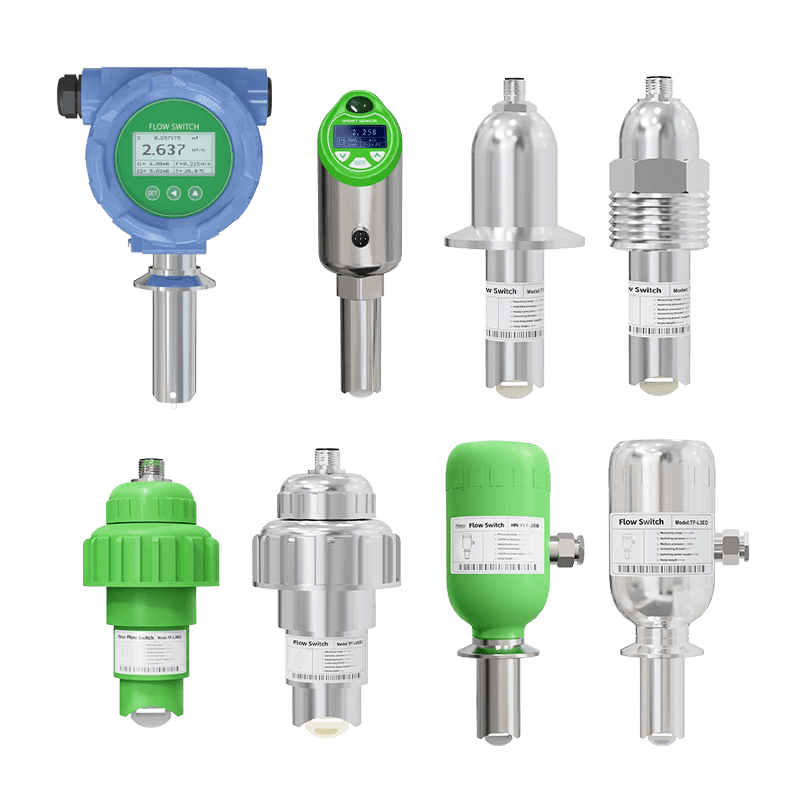
How do metal float flow meters achieve flow measurement?
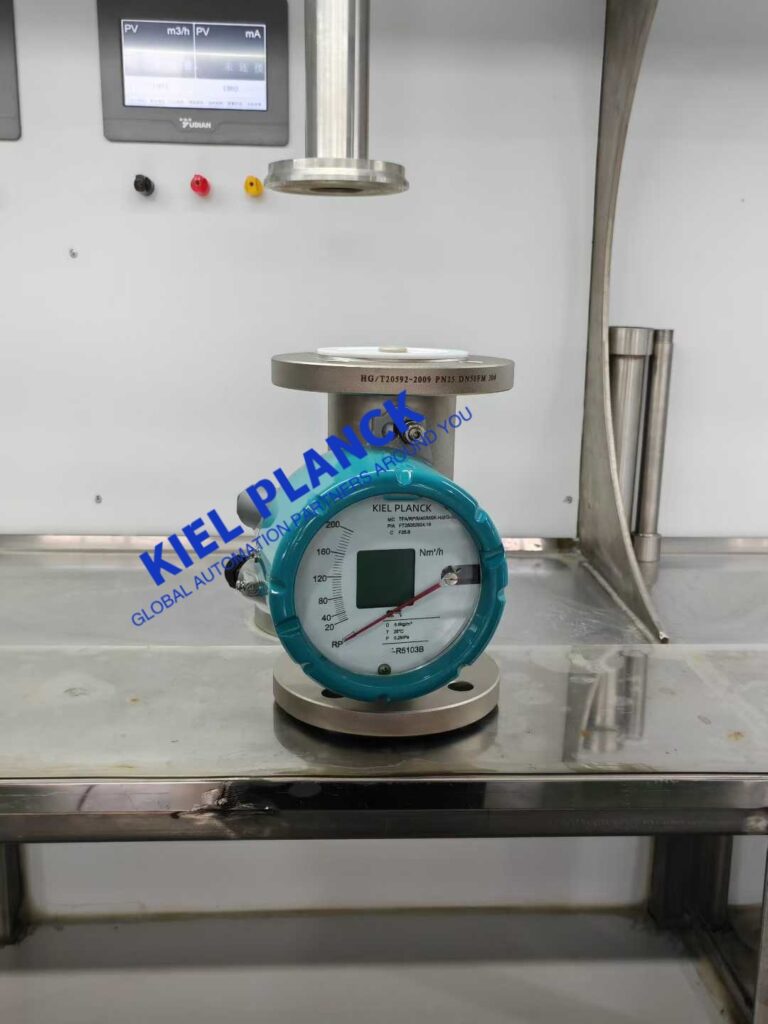
Metal float flowmeters measure flow rate by changing the position of the float in a tapered tube. The core principle is variable area flow measurement, which utilizes the pressure difference generated by the fluid passing through the annular gap between the float and the tapered tube and the balance of the float’s weight to convert the flow rate into a linear relationship with the float’s height.
Reasons for inaccurate measurements by metal tube rotor flowmeters
The main reasons for inaccurate measurements by metal tube rotor flowmeters can be summarized into five categories: improper selection, improper installation, changes in media characteristics, equipment failure, and environmental interference. Among these, improper installation and changes in media characteristics are the most common reasons, accounting for more than 70% of actual failures.
Metal tube rotor flowmeters are used in wastewater treatment plants, etc.
Metal tube rotor flowmeters have core advantages in wastewater treatment applications, such as accurate measurement, strong corrosion resistance, and easy installation. They are particularly suitable for treating wastewater environments containing impurities, with low flow rates, and low pressure, and can effectively improve wastewater treatment efficiency and management level.
Installation points of metal tube rotor flowmeter
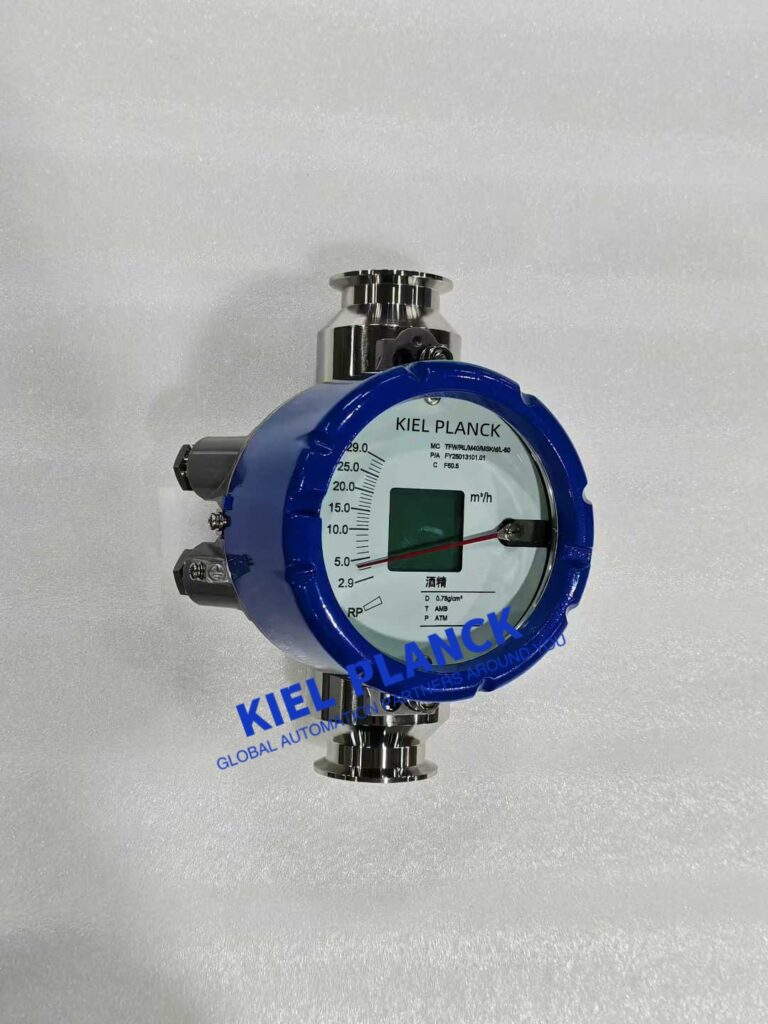
The installation of metal tube rotor flowmeters must strictly follow three core principles: vertical installation, fluid from bottom to top, and straight pipe sections meeting standards, to ensure measurement accuracy and long-term stable operation.
Brief introduction to the features of metal tube rotor flowmeter
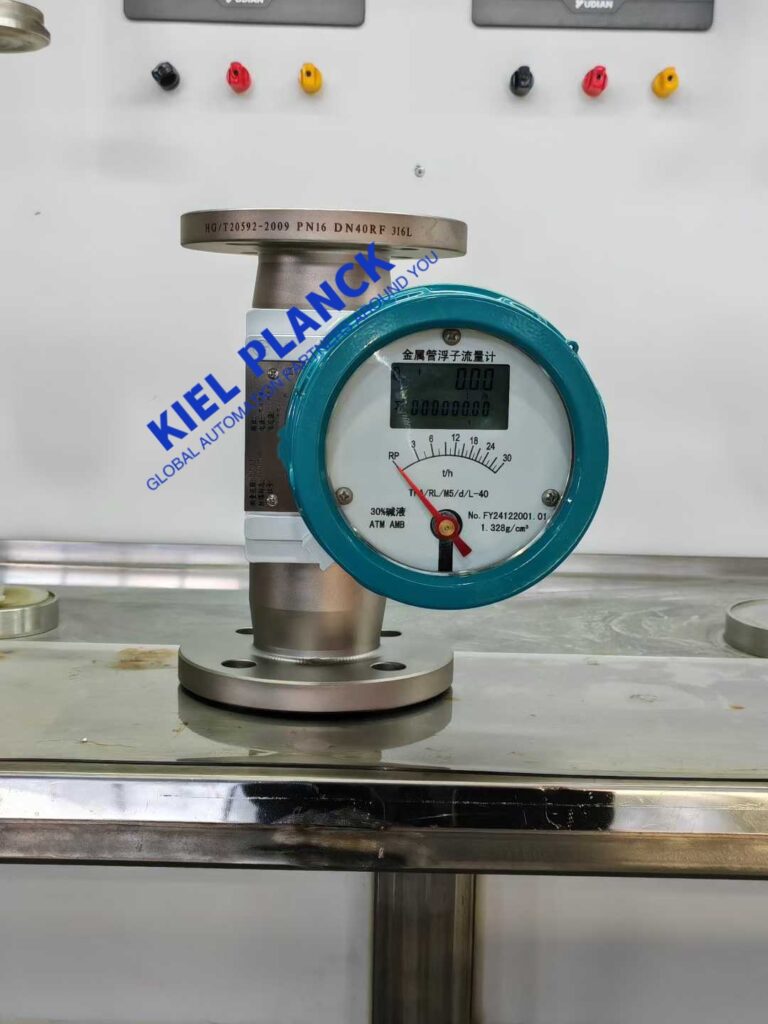
Metal tube rotor flowmeters (also known as metal float flowmeters) employ the variable area measurement principle, relying on the change in the float’s position within a tapered tube to directly reflect the flow rate. Features: simple structure, wide applicability, resistance to high pressure and high temperature, especially suitable for measuring small-diameter, low-velocity media.
Metal Tube Rotor Flowmeter Product Introduction
Metal tube rotor flowmeters are flow measurement instruments based on the variable area principle, capable of monitoring small to medium flow rates of liquids, gases, and steam. They measure flow rate by the change in the position of a float within a tapered tube, and transmit the signal via magnetic coupling. Features include: compact structure, wide range ratio (10:1), and easy installation.
Rotor flowmeter features
The rotor flowmeter has a simple structure, low pressure loss, can be read directly on-site without power supply, has excellent low flow rate measurement performance, is suitable for various media conditions, supports intelligent remote transmission and explosion-proof and corrosion-resistant customization, is easy to install and maintain, and has a high cost performance.
Metal rotor flow meter use
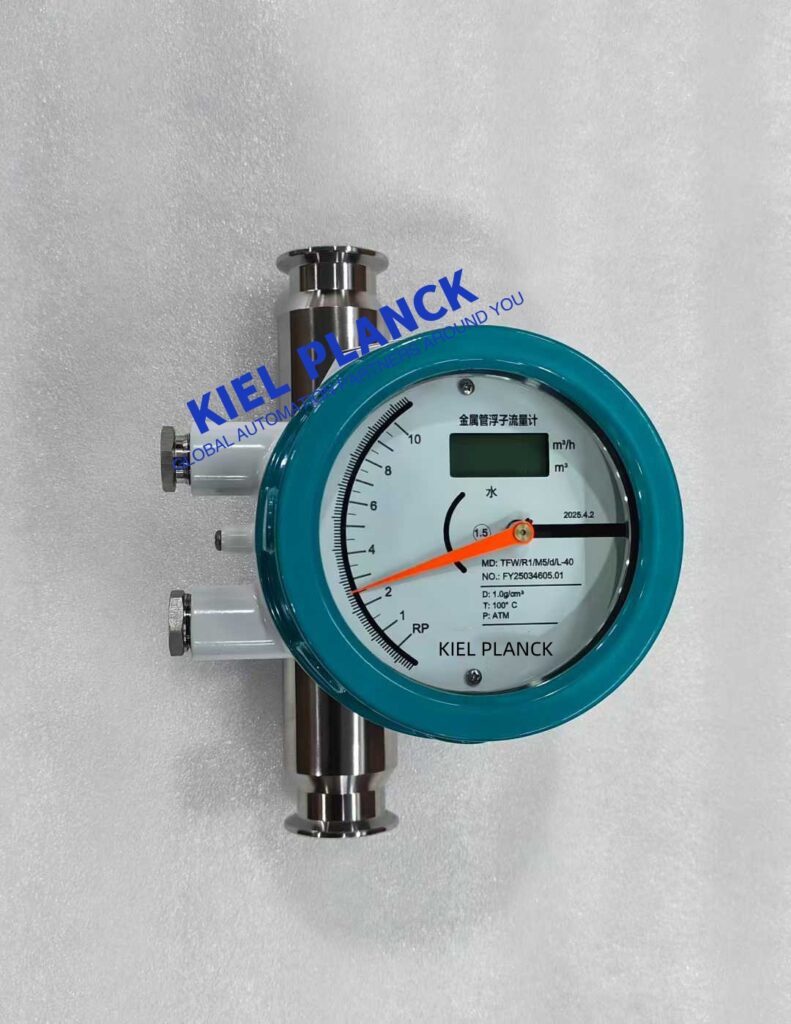
Problems encountered during the use of metal rotor flowmeters can be resolved through three steps: accurate diagnosis of the cause, targeted handling, and standardized preventive measures, ensuring long-term stable operation of the flowmeter and maintaining measurement accuracy.

