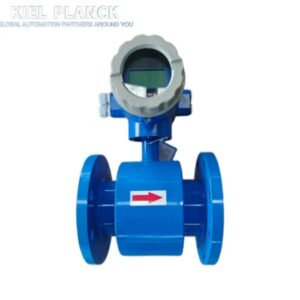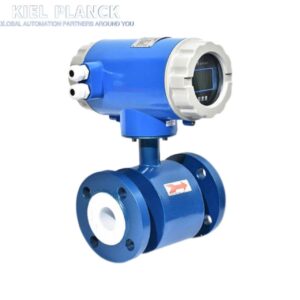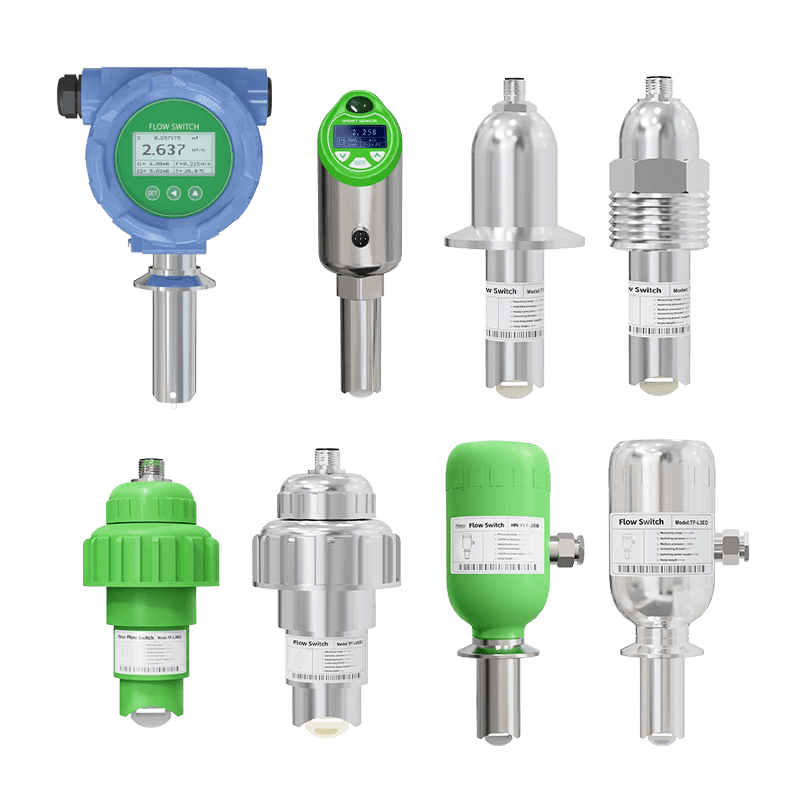
The rotor flowmeter has a simple structure, low pressure loss, can be read directly on-site without power supply, has excellent low flow rate measurement performance, is suitable for various media conditions, supports intelligent remote transmission and explosion-proof and corrosion-resistant customization, is easy to install and maintain, and has a high cost performance.
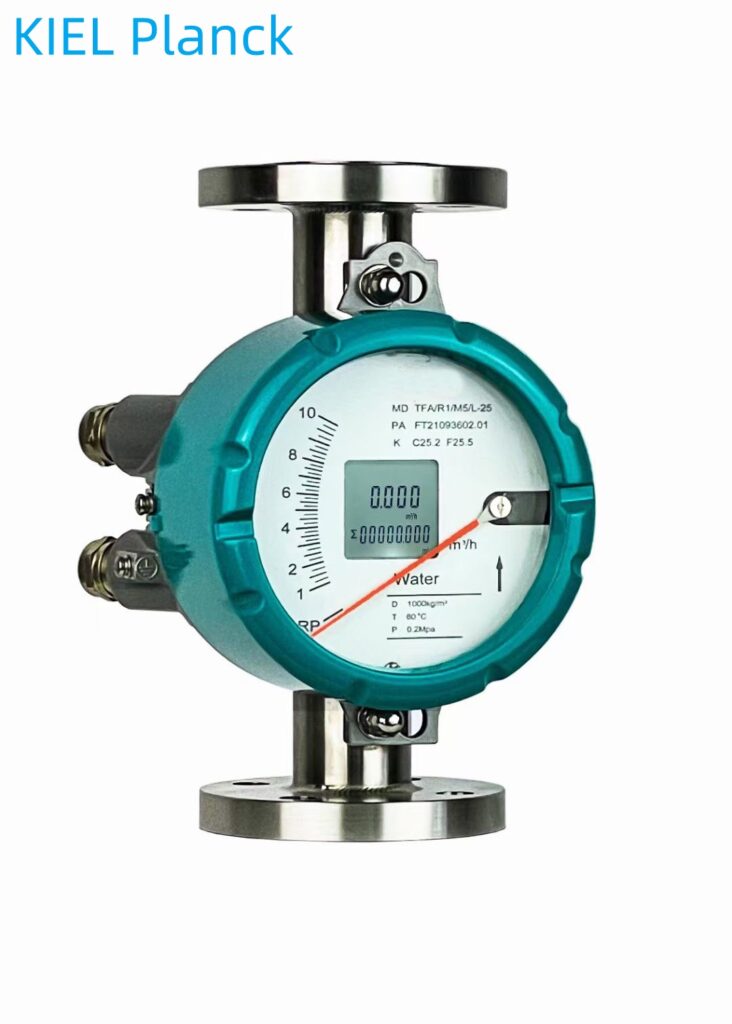
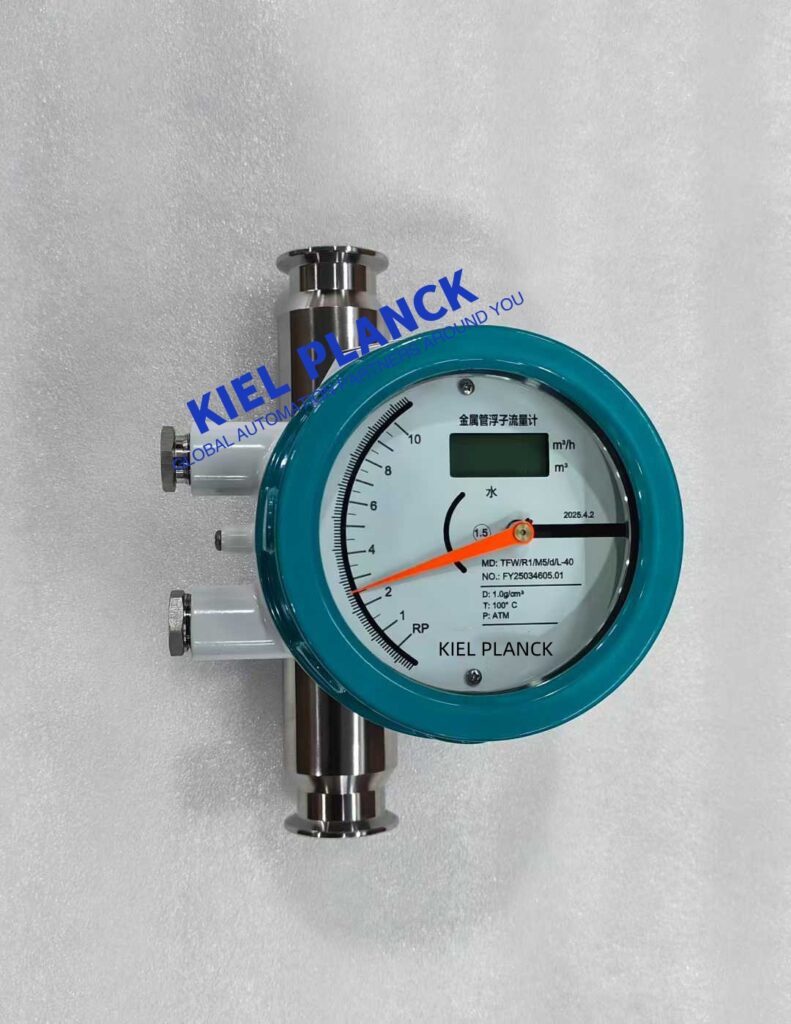
The rotor flowmeter, also known as a float flowmeter, is one of the most widely used mechanical flow measurement instruments in industrial settings. With its reliable structure, strong applicability, and low operating threshold, it has long been used for measuring liquids and gases in small-to-medium diameter pipes and low-velocity conditions, possessing outstanding product functions and usage characteristics.
1. Simple and stable structure, high reliability: The instrument has a simple overall structure, mainly composed of a tapered tube, float, and base. It eliminates easily worn mechanical transmission structures such as gears and bearings, resulting in fewer potential failure points, strong fatigue resistance, and resistance to damage during long-term continuous operation. It adapts to complex on-site conditions with an extremely low equipment failure rate.
2. No power supply required, direct on-site reading, convenient to use: Traditional mechanical rotor flowmeters operate based on the principle of fluid buoyancy and gravity balance. No external power supply or signal conversion is required. Instantaneous flow can be read directly from the pipe scale. It can be used normally even in power outages or in areas without automatic control systems, making it suitable for temporary monitoring, independent pipelines, and retrofitting of older equipment.
3. Low pressure loss and good energy saving: The instrument has smooth internal flow and minimal obstruction to the flow channel. The pressure loss generated during operation is extremely low, which will not cause significant load on the pipeline fluid transport, effectively reducing pump energy consumption and making it suitable for process pipelines that operate continuously for a long time.
4. Wide media adaptability and strong versatility: It can measure a wide range of media, including clean water, oil, acidic and alkaline weakly corrosive liquids, compressed air, and common industrial gases. By changing the materials (glass, PVC, stainless steel, PTFE-lined, etc.), it can be adapted to various working conditions, such as conventional, weak acid and weak alkali, and corrosion-resistant applications.
5. Wide range ratio and excellent low-flow-rate measurement performance: Compared to throttling instruments, the rotor flowmeter is more sensitive to low-velocity fluids and can accurately capture small flow changes. With a range ratio of up to 10:1, it is particularly suitable for measuring small to medium flow rates and processes with large flow fluctuations.
6. Simple installation and maintenance, low operating costs: The instrument does not require strict upstream and downstream straight pipe sections, and the installation method is flexible; vertical installation is sufficient for normal operation. Routine maintenance is virtually non-existent, requiring no frequent calibration or cleaning, resulting in extremely low maintenance costs and outstanding cost-effectiveness.
7. Intelligent upgradeable and compatible with automation systems: In addition to the ordinary local display type, the intelligent rotor flow meter can be equipped with a magnetic sensor transmitter module to convert the flow signal into standard signals such as 4-20mA, pulse, and RS485, supporting remote display, data acquisition and system linkage, taking into account both traditional practicality and modern automation needs.
8. Supports explosion-proof and corrosion-resistant customization, with strong adaptability to working conditions: Explosion-proof and intrinsically safe explosion-proof structures can be designed according to site requirements, suitable for flammable and explosive areas such as chemical and gas industries; at the same time, a fully corrosion-resistant structure can be achieved, effectively addressing the challenges of measuring corrosive media.
Scan the QR code to receive more detailed information.