

Steam vortex temperature and pressure compensation commissioning
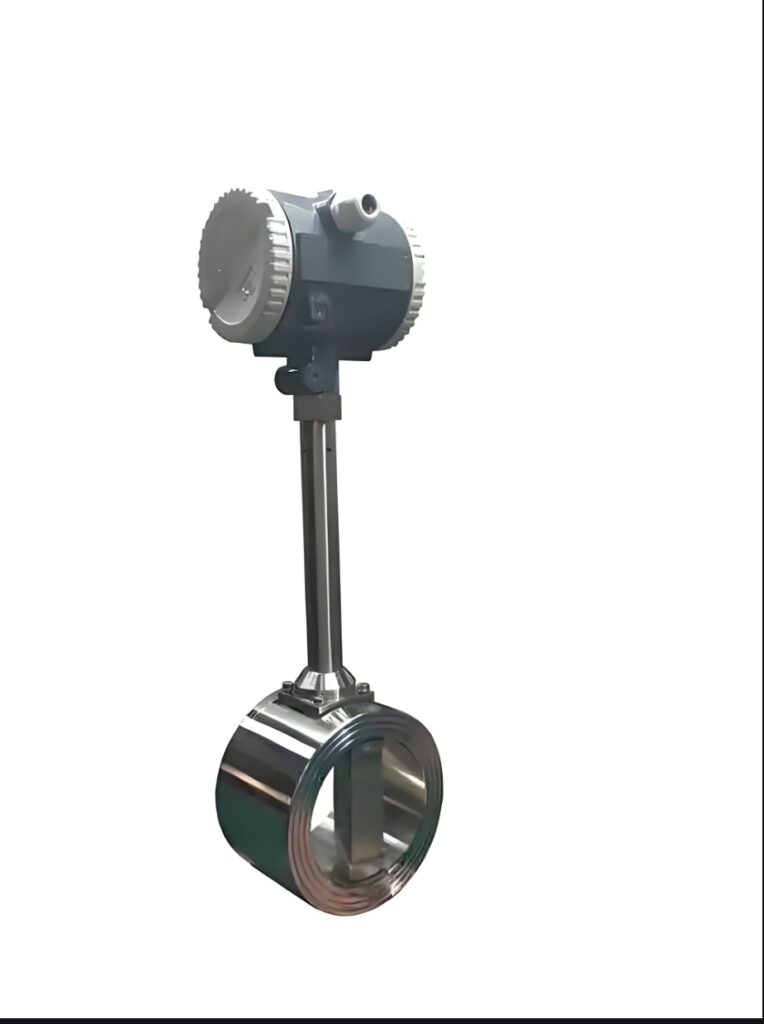
Vortex flow meters are widely used for steam flow measurement in industrial thermal systems, chemical production and power industries. However, steam belongs to a compressible gas medium, and its density changes significantly with real-time temperature and pressure fluctuations. Direct volume flow measurement by vortex meters cannot reflect the actual mass flow, resulting in large metering errors.
Comparison of Vortex and Turbine Flow Meters
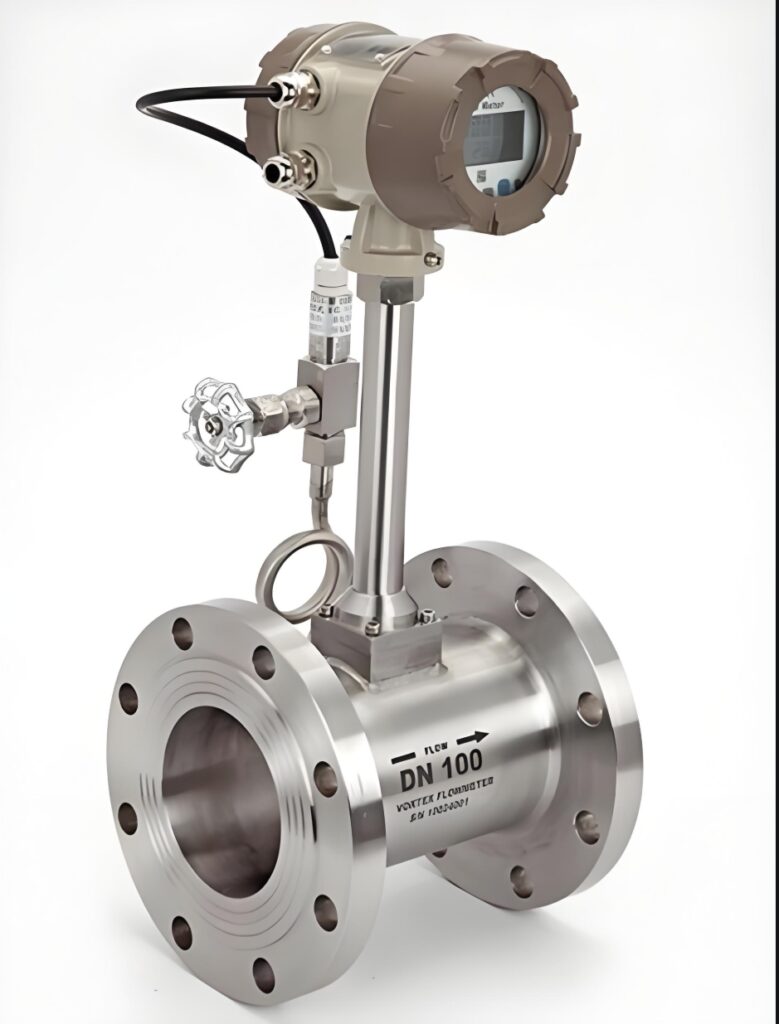
Vortex flow meters and turbine flow meters are two of the most widely used velocity-based flow measuring devices in industrial process systems, serving accurate flow monitoring for gas, liquid, and steam media. Although both instruments calculate flow rate based on fluid velocity, they differ significantly in working principles, structural design, measurement performance, environmental adaptability, and maintenance requirements.
Analysis of the measurement principle of vortex flow meter
Vortex flow meters are widely adopted velocity-type flow measuring instruments in modern industrial process control, applicable to the flow measurement of gas, liquid, and steam media. Featuring simple structure, high measurement accuracy, strong stability, and no mechanical moving parts, they have become core measuring equipment in petrochemical, power, environmental protection, and pharmaceutical industries.
Differential pressure protocol positive and negative pressure management installation specifications
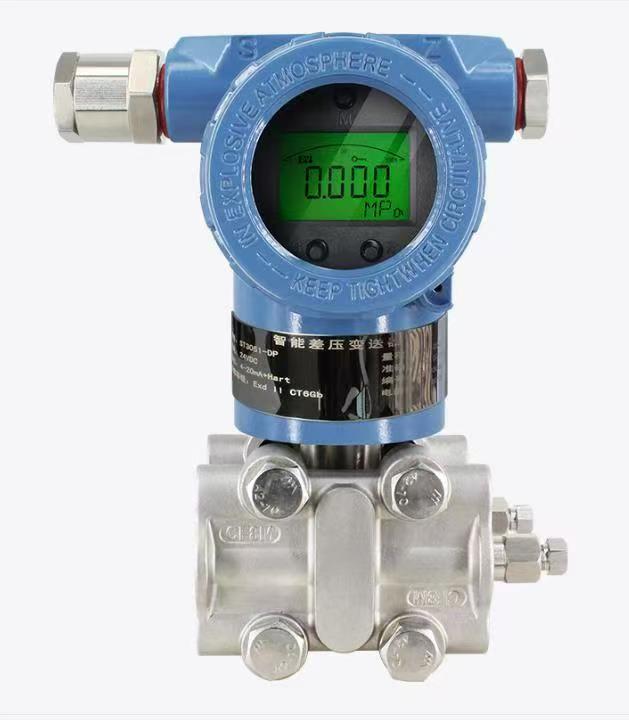
Differential pressure transmitter positive and negative pressure tap installation specifications to avoid liquid accumulation in the pressure taps and errors.
Key Points for the Installation and Commissioning of Boiler Furnace Negative Pressure Transmitters
Boiler furnace negative pressure is a critical parameter for ensuring the safe, stable and efficient operation of thermal power and industrial boiler systems. The negative pressure transmitter serves as the core monitoring device, whose installation quality and commissioning accuracy directly determine the authenticity of operating data and the safety of boiler combustion. Improper installation is likely to cause air leakage, signal attenuation and vibration interference, while non-standard commissioning will lead to measurement deviation and false alarm faults.
How to Select Differential Pressure Transmitters for Different Media
Differential pressure transmitters are core measurement devices widely used in industrial process control, with measurement accuracy, service life and operational stability highly dependent on the compatibility with measured media. Wastewater, steam and high-purity gases are three typical industrial media with distinct physical and chemical properties, which put forward completely different requirements for transmitter structure, material and technical parameters.
Early Warning Scheme for Diaphragm Rupture in Diaphragm Compressors
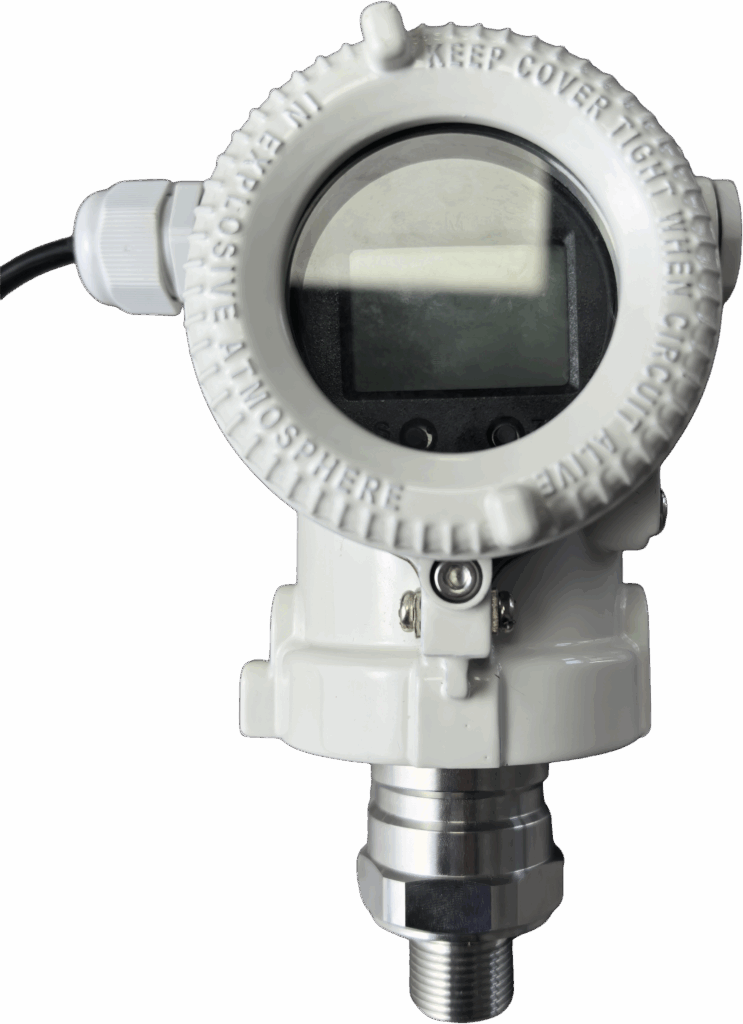
Discussion on a Diaphragm Rupture Early Warning Scheme for Diaphragm Compressors Based on Pressure Transmitter Data
Diaphragm compressor pressure transmitter
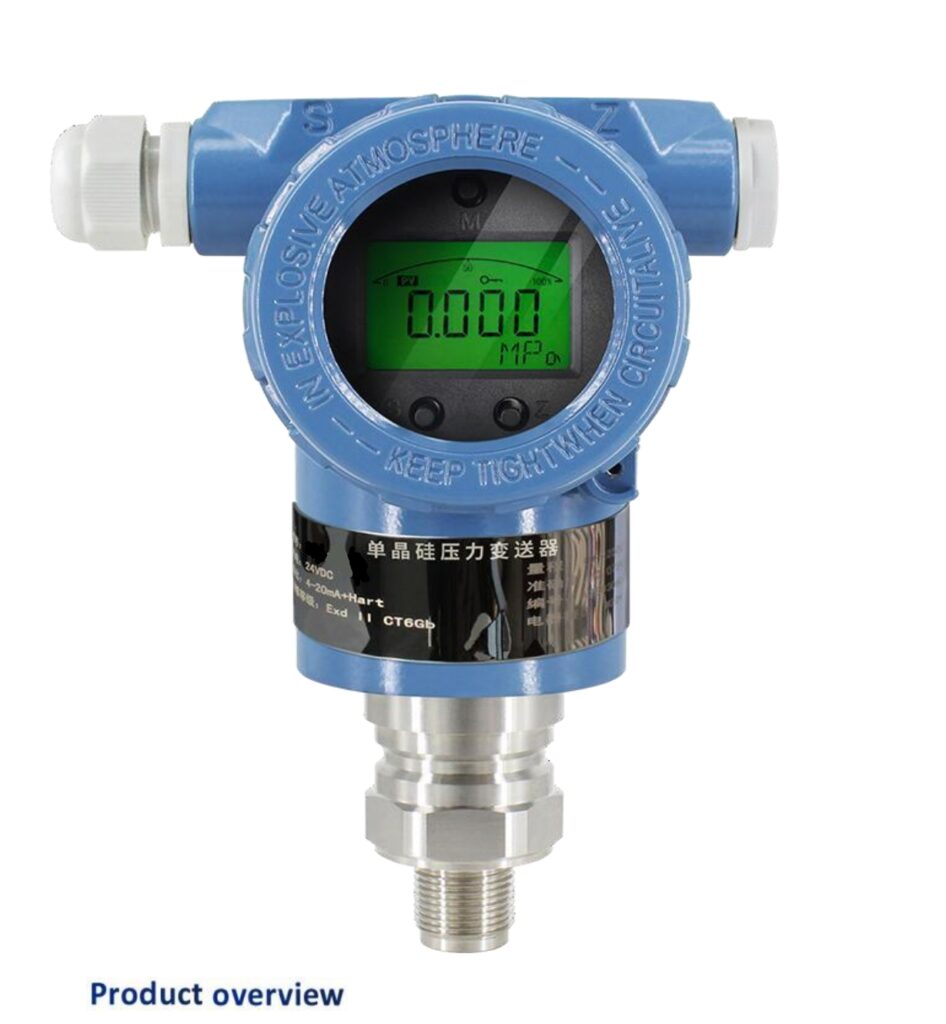
Method for Configuring Pressure Transmitter Range Gradients During Three-Stage Compression in Diaphragm Hydrogen Compressors
Hydrogen permeation under pressure in a hydrogen environment
Review of Pressure-Induced Hydrogen Permeation and Hydrogen Embrittlement Protection Technologies in Hydrogen Environments

